
Planting
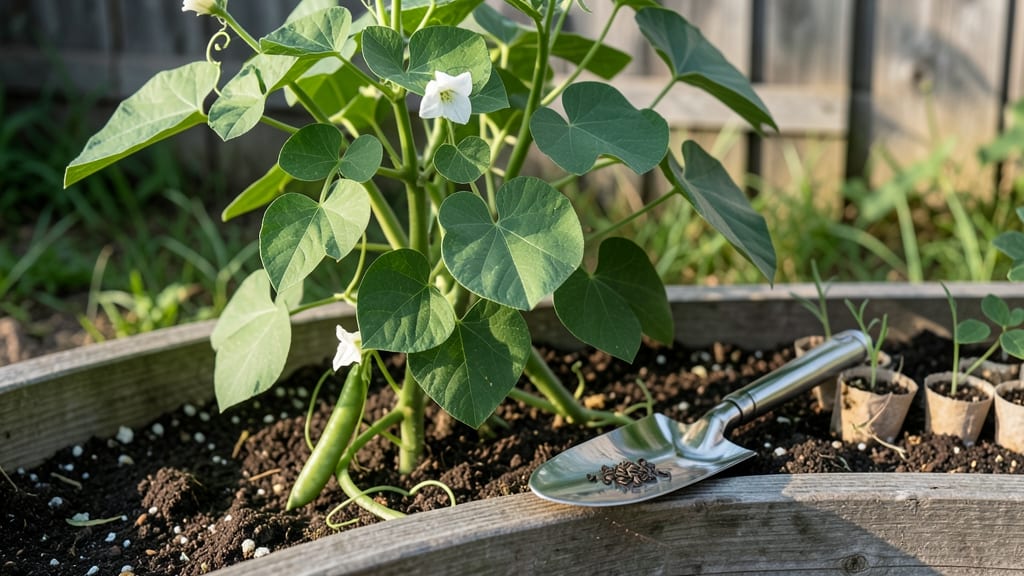
Planting string beans 1 inch deep is the golden rule for strong, healthy starts—but dig too shallow or too deep, and you risk stunted growth or even seed failure.
I’ve watched 🌱 string beans wilt because they were buried too deep, their roots struggling to break through compacted soil, while others sprouted too slowly because they weren’t snug enough. Getting the depth right isn’t just a detail; it’s the foundation of a thriving harvest.
Whether you’re growing bush beans or pole varieties, the right soil depth ensures quick germination and robust root systems. Below, I’ll break down the exact planting depth for each type, plus how to adjust for your soil and climate to maximize your yield.
You’ll also discover the 5 most common mistakes that sabotage string beans before they even emerge—and how to fix them before it’s too late.
Optimal planting depth for string beans by variety (bush vs. pole)
Getting the planting depth right for your string beans is one of the simplest ways to ensure strong germination and healthy growth. Whether you're growing bush beans or pole beans, the depth affects how quickly seeds sprout and how well roots develop.
Too shallow, and seeds dry out; too deep, and they struggle to reach the surface. The key is finding that sweet spot where moisture, warmth, and soil contact create the perfect environment for your seeds to thrive.
Most gardeners assume all string beans share the same planting depth, but the truth is that bush beans and pole beans have slightly different needs. Bush beans, which grow in compact bushes, prefer a slightly deeper planting to encourage strong root systems that support their weight.
Pole beans, on the other hand, climb and need a slightly shallower depth to ensure they establish quickly and efficiently. Understanding these differences can make all the difference in your harvest.
| Variety | Optimal Planting Depth | Root Development Focus | Germination Time | Spacing After Germination |
|---|---|---|---|---|
| Bush Beans | 1–2 inches | Deep, sturdy roots for compact growth | 7–10 days | 4–6 inches apart |
| Pole Beans | 1–1.5 inches | Quick root establishment for climbing | 5–8 days | 3–4 inches apart (with trellis support) |
For bush beans, planting at 1–2 inches deep ensures their roots have room to anchor firmly in the soil. This depth helps prevent the plants from toppling over under the weight of their pods, which can be heavy as they mature.
The slightly deeper planting also encourages roots to grow downward, accessing moisture and nutrients more efficiently. If you're working with heavy clay soil, you might lean toward the deeper end of the range (closer to 2 inches) to help roots penetrate more easily.
When planting pole beans, aim for a 1–1.5 inch depth. These beans need to establish quickly so they can start climbing their trellises or supports almost immediately.
The shallower depth allows them to break through the soil faster, giving them a head start in the race to produce pods. If you're in a cooler climate, planting at the shallower end (1 inch) can help speed up germination, especially if soil temperatures are still on the chilly side.
One common mistake gardeners make is planting seeds too deeply, thinking it will protect them from drying out. However, over-planting string beans can actually suffocate the seeds, preventing them from getting the oxygen they need to germinate.
If you're unsure about depth, a simple trick is to plant the seeds at a depth equal to 3 times the width of the seed. For string beans, which are relatively small, this usually translates to around 1–1.5 inches, making it an easy rule of thumb to follow.
Another factor to consider is soil temperature. String beans germinate best in soil that's at least 60°F (15°C). If your soil is cooler, planting slightly shallower (closer to 1 inch) can help the seeds warm up faster and germinate more quickly.
Conversely, in hot climates, a slightly deeper planting (up to 2 inches) can help retain moisture around the seeds, reducing the risk of them drying out before they sprout.
After planting, it's crucial to keep the soil consistently moist but not waterlogged. Water gently but thoroughly right after planting to settle the soil around the seeds. Avoid heavy watering, which can wash seeds deeper into the soil or create pockets of air that prevent proper contact.
Mulching around the plants with straw or grass clippings can help maintain even moisture levels and keep the soil temperature stable, which is especially helpful for pole beans that need to establish quickly.
Once your string beans have germinated and sprouted, you’ll notice a big difference in their growth patterns based on how deeply you planted them. Bush beans planted at 1–2 inches will develop sturdy stems and spread outward, while pole beans planted at 1–1.5 inches will shoot upward quickly, ready to climb.
Pay attention to how your plants grow in the first few weeks—this is when you’ll see the direct impact of your planting depth choices.
If you're still unsure about depth, don’t worry—string beans are quite forgiving. Even if you plant them slightly off-target, they’ll often adjust and grow well.
However, sticking to the 1–2 inch range for bush beans and 1–1.5 inch range for pole beans gives you the best chance for strong, healthy plants that produce a bountiful harvest.
With the right depth, your string beans will be well on their way to becoming a staple in your garden and kitchen.
5 Common mistakes that ruin string bean germination (and how to fix them)
Even experienced gardeners sometimes struggle with string bean germination. The wrong planting depth or moisture levels can leave you staring at empty soil instead of lush green plants. I’ve learned the hard way that small mistakes—like over-planting seeds or inconsistent watering—can kill your crop before it starts.
Let’s fix these issues so your beans thrive from day one.
First, planting too deep is a silent killer. String beans need just 1 inch of soil coverage to sprout properly. Deeper planting delays germination and risks rot. I once buried seeds 2 inches deep and waited weeks for sprouts—only to find they’d rotted underground.
Always use your finger to mark the correct depth in the soil.
⚠️ callout warning ⚠️
⚠️ Critical Depth Alert!
String beans must be planted 1 inch deep—no more, no less. Bush varieties tolerate 1–2 inches, but pole beans need precise 1-inch depth. Use a ruler or stick to verify depth before covering seeds.
Another mistake? Poor soil contact around seeds. Loose soil creates air pockets that prevent moisture from reaching the seed. Before planting, gently press the soil around each seed to ensure firm contact. I fix this by lightly tamping the soil with my fingers or a small board after sowing.
Inconsistent moisture is the third culprit. String beans need consistent dampness, not soggy or dry soil. After planting, keep the soil moist by watering lightly every 2–3 days. A spray bottle works best for young seedlings. I’ve seen seeds dry out and fail to sprout because of uneven watering—always check soil moisture with your finger.
Overcrowding is another silent killer. Planting seeds too close together (less than 2 inches apart) leads to competition for nutrients and weak plants. Thin seedlings to 4–6 inches apart once they’re 2 inches tall. I use small scissors to snip unwanted seedlings at soil level—it’s gentler than pulling.
Finally, skipping soil prep sets you up for failure. String beans thrive in well-draining, nutrient-rich soil with a pH of 6.0–7.0. Before planting, mix in compost or aged manure to improve soil structure. I always test my soil’s pH and amend it if needed—healthy soil means healthy sprouts.
Fix these five mistakes, and your string beans will germinate strong and grow into a bountiful harvest. Start with the right depth, keep soil moist, and give your plants space to stretch. With these fixes, you’ll be picking fresh pods in 60 days or less! 🌱