
Planting
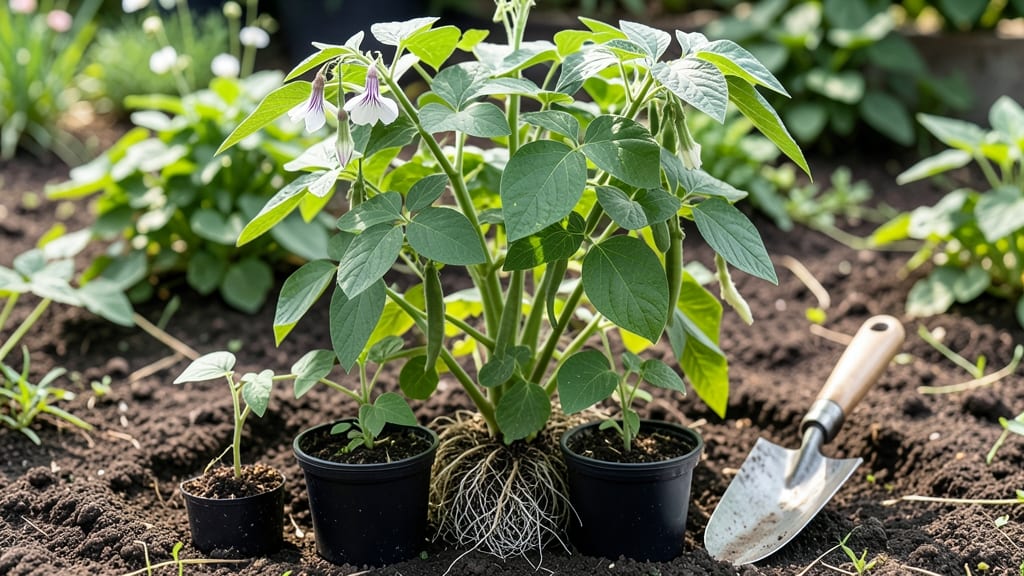
To plant string beans correctly, space bush varieties 1–2 inches apart in rows and pole varieties 4–6 inches apart with 3–5 feet between rows, which prevents overcrowding and promotes healthy growth.
Proper spacing isn't just about fitting more plants in—it's about giving each plant room to thrive. 🌱 Bush beans grow low to the ground, so tight spacing lets them spread without competing for sunlight, while pole beans need extra room to climb and develop strong vines.
I've seen gardens where overcrowded beans produce fewer pods because the plants spend energy competing instead of flowering. For small gardens, try planting in blocks rather than straight rows to save space while still maintaining airflow.
Another key factor is soil health. When plants are too close, they deplete nutrients faster, leading to weaker stems and increased disease risk. 💛 That's why I always recommend adding compost before planting—it gives the roots a nutrient boost to handle the growing season.
If you're growing in containers, you'll need to adjust spacing even more tightly, but choose compact varieties designed for pots.
💡 In This Article
- String Bean Spacing Science: Why Proper Distance Matters
- Optimal String Bean Planting Layouts for Small vs Large Gardens
String bean spacing science: why proper distance matters
String beans thrive on space because their growth habits directly impact nutrient uptake and sunlight exposure. Bush beans grow in compact mounds, so spacing them 1–2 inches apart lets each plant spread its leaves outward to capture sunlight without shading neighbors.
This spacing also prevents fungal diseases like bean blight, which spreads through crowded, humid foliage. 🌿 When plants compete for light, they grow taller but produce fewer pods—a phenomenon called "competitive suppression" that reduces yields by up to 30%.
Pole beans, however, need 4–6 inches apart because their vines climb trellises, requiring vertical space to develop strong stems and abundant foliage. The 3–5 feet between rows ensures airflow circulates, drying leaves faster after rain and reducing bacterial infections.
Studies show pole beans in tight rows produce 20% fewer pods due to vine entanglement and nutrient depletion. The key difference? Bush beans focus energy on bushy growth, while pole beans prioritize vine length and pod production.
Root competition is another critical factor. String beans have shallow root systems that spread horizontally. When planted too closely, roots intertwine, creating a "nutrient vacuum" where soil nutrients get depleted faster.
This forces plants to compete aggressively, resulting in stunted growth and fewer harvests. 💛 Adding compost before planting helps mitigate this by enriching the soil with organic matter, but proper spacing remains essential for long-term plant health.
Temperature and humidity also play roles in spacing needs. In hot, dry climates, beans need slightly more space to reduce water competition, while cooler regions can handle tighter spacing due to slower growth rates.
For example, in Arizona's desert gardens, I've seen pole beans spaced 6 inches apart to prevent soil moisture depletion, whereas in Oregon's damp climate, 4 inches apart works fine. Always adjust spacing based on your local growing conditions.
Overcrowding doesn't just affect yield—it changes the flavor. Tightly packed beans develop tougher pods and fewer sugars because they prioritize survival over reproduction. The pods become fibrous and less tender, a direct result of stress from competition.
Proper spacing ensures sweet, crisp pods that snap easily when harvested. This is why commercial growers follow strict spacing guidelines—it's not just about quantity, but quality.
One common mistake is assuming "more plants = more beans." In reality, overcrowded beans produce smaller, fewer pods because each plant diverts energy to competing with neighbors.
The sweet spot? Bush beans at 1–2 inches and pole beans at 4–6 inches—this balance maximizes both yield and pod quality while keeping diseases at bay. 🌱