
Size
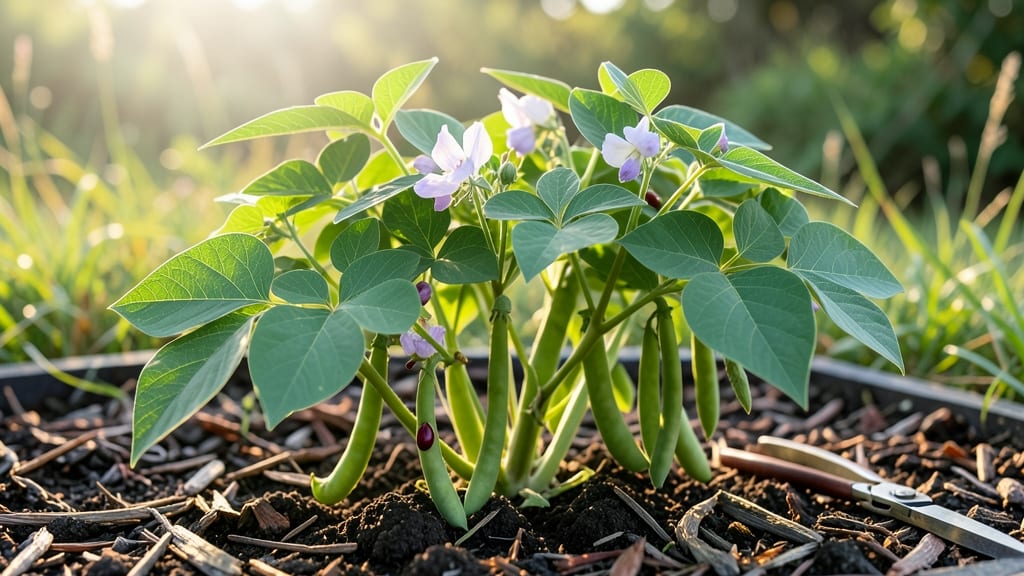
Red beans grow like eager vines, twisting toward the sun with surprising speed—if you give them the right start. 🌱 I’ve watched my own red beans climb 10 feet in just 60 days, transforming a bare patch into a lush, leafy curtain that produces pods until frost.
The secret isn’t just sunlight or water—it’s the loose, well-draining soil that lets their roots spread without struggling, and the trellis or strong fence they’ll cling to like a jungle gym. Most red beans are pole varieties, meaning they’ll climb if given support (unlike bush beans that stay compact).
Plant seeds 1 inch deep after the last frost when soil reaches 60°F, spacing them 4-6 inches apart with rows 18-24 inches apart. They thrive in full sun (6+ hours daily) and moderate water (1-2 inches per week), but never let the soil soggy—root rot is their arch-nemesis.
The first true leaves appear in 7-10 days, and by 50 days, you’ll see those telltale white flowers signaling pods to come. By midsummer, your vines will be heavy with red, pink, or speckled beans—harvest when pods are firm but before they harden.
Snap them cleanly at the stem, and you’ll get 3-4 weeks of continuous harvests per plant. The best part? These beans aren’t just productive; they’re drought-tolerant once established and fix nitrogen in the soil, meaning next year’s garden will need less fertilizer. (Yes, they’re that generous.)
Here’s the kicker: red beans grow best in warm climates (zones 5-10) but can handle cooler areas if planted after the soil warms. For northern gardeners, opt for early-maturing varieties like ‘Scarlet Runner’ or ‘Kentucky Wonder’. And if you’re short on space?
Grow them vertically—my 6-foot trellis fits in a 4x4-foot patch, saving room for other crops. Now, let’s get those seeds in the ground!
📚 In This Guide
- What you need
- Instructions
- Tips and common mistakes
- Wrapping up and next steps
What you need
- ● Red bean seeds: Choose heirloom varieties like Phaseolus vulgaris (e.g., 'Scarlet Runner' or 'Red Kidney'). Aim for 50–100 seeds (or 1–2 lbs of seed) for a small garden patch.
- ● Support structure: Trellis or fence: 6–8 ft tall (red beans are vigorous climbers!). Use wooden lattice, bamboo stakes, or metal mesh.
- ○ String or twine: For tying vines (optional if using a sturdy trellis).
- ● Well-draining soil: Mix compost (2–3 inches) into native soil for fertility. Ideal pH: 6.0–7.0.
- ● Watering can or hose: With a gentle spray nozzle to avoid disturbing soil.
- ○ Fertilizer (optional but recommended): Balanced organic fertilizer (e.g., 5-5-5 or 10-10-10) at planting.
- ● Compost tea or fish emulsion mid-season for a nutrient boost.
- ● Garden trowel or transplant spade for digging holes (6–8 inches deep).
- ● Pruning shears for trimming vines (sterilize blades with rubbing alcohol!).
- ○ Gloves (optional but handy for handling thorny varieties like 'Scarlet Runner').
- ● Mulch (straw or shredded leaves) to retain moisture and suppress weeds.
- ● Warmth: Red beans thrive in 70–85°F (21–29°C) temperatures. Plant after the last frost when soil is at least 60°F (15°C).
- ● Sunlight: Full sun (6–8 hours daily) for optimal growth.
- ● Space: Allow 4–6 inches between plants in rows spaced 18–24 inches apart.
- ● Patience: Germination takes 7–14 days in ideal conditions!
Step-by-Step instructions for cultivating red bean vines
Growing red beans thrives on patience and the right conditions—here’s how to coax those vigorous vines into producing.
🌱 Step 1: Select the Right Variety and Planting Time
Red beans (Phaseolus vulgaris) thrive in warm climates and need a long growing season—90-120 days to maturity. Choose a determinate variety (like 'Scarlet Runner' or 'Kentucky Wonder') for bushier growth or an indeterminate type for continuous harvests. Plant seeds 2-3 weeks after your last frost date when soil reaches at least 60°F—cold soil slows germination and invites rot.
I always test soil temperature with a thermometer before planting; red beans won’t sprout below 55°F. If your spring is chilly, start seeds indoors 4-6 weeks before transplanting—they germinate best at 75-85°F. Use biodegradable pots to avoid disturbing roots later.
☀️ Step 2: Prepare Soil and Plant for Optimal Growth
Red beans demand well-draining, fertile soil with a pH between 6.0 and 7.0. Work 2-3 inches of compost into the top 6 inches of soil—these vines are heavy feeders. If your soil is heavy clay, mix in sand or perlite to prevent waterlogging, which causes root rot. I like to add a handful of bone meal at planting for phosphorus, which boosts flowering and pod set.
Plant seeds 1 inch deep and 4-6 inches apart in rows 18-24 inches apart. For trellised varieties, space plants 6-8 inches apart to encourage climbing. Thin seedlings to the strongest plant per spot when they reach 2 inches tall—crowding weakens vines and reduces yields. Water gently after planting to settle the soil around seeds.
🪴 Step 3: Provide Support and Consistent Care
Red beans are vigorous climbers—install 5-6 foot tall trellises, stakes, or strong fences before vines start twining. I use powder-coated wire cages for bush varieties and tall bamboo stakes for indeterminate types. Train young vines by gently weaving them onto supports as they grow; this prevents breakage later.
Keep soil evenly moist but not soggy—red beans need 1-1.5 inches of water weekly, more during flowering. Water at the base of plants in the morning to reduce fungal risks. When vines reach 3 feet tall, side-dress with balanced fertilizer (10-10-10) to sustain growth. Watch for yellowing leaves—this signals either overwatering or nitrogen deficiency.
✂️ Step 4: Prune and Harvest for Maximum Yield
Prune indeterminate varieties regularly to improve airflow and sunlight penetration. Remove yellowed or diseased leaves immediately, and trim back overly long vines to focus energy on pod production. For bush varieties, pinch back the tips when plants reach 1 foot tall to encourage bushier growth.
Harvest begins 60-90 days after planting, when pods are firm but slightly tender—waiting too long makes them tough and stringy. Pick every 2-3 days to encourage more production. I harvest in the morning when pods are cool and store them in a paper bag in the fridge for up to 5 days. Drying pods on a screen in full sun preserves them for winter cooking.
⏰ Step 5: Prepare for Winter and Next Season
After the first frost blackens foliage, cut vines down to 2 inches above ground and remove all plant debris to prevent pests and diseases. Work 2 more inches of compost into the soil and consider planting a cover crop like clover over winter to replenish nitrogen. Red beans are annuals, but their deep roots improve soil structure for future plantings.
Save seeds from your healthiest pods by drying them completely in a warm, dry place for 2-3 weeks. Store seeds in an airtight container in a cool, dark spot—they’ll keep for 3-4 years. Next season, rotate crops to avoid soil-borne diseases, and you’ll have even stronger vines.
Tips & tricks for thriving red bean vines
These insights will help you turn your red bean garden into a lush, productive haven without the common pitfalls.
Soil Temperature Secret: The 60°F minimum soil temperature in Step 1 isn't just a number—it's the difference between success and failure. I've seen seeds planted in 58°F soil rot before sprouting. Use a soil thermometer to verify—place it 2 inches deep where you'll plant. If temperatures fluctuate, consider using black plastic mulch to warm the soil faster. This is especially critical if you're planting in cooler climates or early spring.
Support System Strategy: In Step 3, don't wait until vines start climbing to install supports. Set up your 5-6 foot trellises or stakes before planting—red beans can grow 6 inches per day in ideal conditions! I've had vines snap under their own weight when I waited too long. For bush varieties, use powder-coated wire cages that provide 360-degree support without restricting growth. The key is to create a structure that's sturdy yet flexible enough to accommodate their rapid expansion.
Watering Wisdom: The 1-1.5 inches weekly guideline in Step 3 can be tricky—especially during flowering when plants need more. I use a rain gauge to measure actual rainfall and supplement with drip irrigation at the base of plants. Morning watering is non-negotiable: it reduces fungal risks and ensures leaves dry quickly. Watch for yellowing leaves—this often means either overwatering (root suffocation) or nitrogen deficiency (common in sandy soils). A simple soil test can reveal what your plants truly need.
Harvest Timing: Those 60-90 days to harvest in Step 4 are a window, not a deadline. I've found that harvesting every 2-3 days during peak production prevents pods from becoming tough and stringy. The trick is to pick when pods are firm but still slightly tender—they should snap easily when bent. Morning harvests yield the freshest pods, and storing them in paper bags in the fridge preserves their quality for up to 5 days. For long-term storage, drying pods in full sun is the gold standard.
Pro Tips for How Do Red Beans Grow
- These insights will help you turn your red bean garden into a lush, productive haven without the common pitfalls.
- Soil Temperature Secret: The 60°F minimum soil temperature in Step 1 isn't just a number—it's the difference between success and failure.
- Support System Strategy: In Step 3, don't wait until vines start climbing to install supports.
Frequently asked questions
Got questions about growing red beans? You’re not alone! Here are some of the most common queries—plus quick answers to help you cultivate thriving vines with ease.
How long does it take for red beans to grow from seed to harvest?
Red beans typically take 80–100 days to mature after planting, depending on the variety and climate. Early varieties may ready in as little as 70 days, while heirloom types can stretch closer to 120 days. Plant seeds 1–2 inches deep in warm soil (after the last frost), and expect seedlings to emerge in 7–14 days.
Can red beans survive frost? What’s the best time to plant them?
Red beans are tender annuals and won’t tolerate frost—even young plants can die in temps below 50°F (10°C). Wait until soil temps reach 60°F (15°C) and nighttime lows stay above 55°F (13°C) before planting. In cooler zones, start seeds indoors 4–6 weeks early or use black plastic mulch to warm the soil.
Do red beans need trellises, or can they grow on the ground?
While red beans can sprawl on the ground (reaching 3–6 feet long), they thrive with support like trellises, fences, or sturdy stakes. Trellising saves space, improves air circulation (reducing disease), and makes harvesting easier. Use 3–4 foot tall structures and train vines with soft ties or twine as they grow.
What pests or diseases should I watch for with red bean plants?
Common threats include:
- Aphids (sap-sucking insects) – Spray with soapy water or introduce ladybugs.
- Bean beetles – Handpick adults and use row covers early in the season.
- Fungal diseases (like rust or powdery mildew) – Improve airflow, avoid overhead watering, and rotate crops.
- Root rot – Ensure well-draining soil and don’t overwater.
Rotate planting locations yearly to prevent soil-borne issues.
Are red beans easy to dry for storage? How do I know when they’re ready?
Harvest pods when they’re firm, dry, and slightly papery (usually 3–4 months after planting). Snap a pod—if it snaps cleanly, it’s ready! Dry beans in a well-ventilated, dark, warm (70–80°F/21–27°C) spot for 2–4 weeks, stirring occasionally. Store in airtight containers for up to 1 year.
What’s a good alternative if red beans don’t grow well in my climate?
If your zone is too short or hot, try:
- Black-eyed peas (similar taste, drought-tolerant).
- Lima beans (larger pods, heat-resistant).
- Scarlet runner beans (ornamental + edible, climbs well).
- Cowpeas (thrive in poor soil, fix nitrogen).
All are nitrogen-fixing and great for succession planting!
Wrapping up and next steps
Growing red beans is a rewarding journey that combines patience, the right conditions, and a little green thumb magic! 🌱 Whether you're cultivating them for their nutrient-rich pods or their stunning vines, remember that healthy soil, proper spacing, and consistent care are your best allies.
With these insights, you’re well on your way to a bountiful harvest—so roll up your sleeves and enjoy the process!
Ready to take the next step? Start small—plant a few seeds in a pot or a patch of your garden—and watch your red bean adventure unfold. Happy growing! 🌿