
Propagation
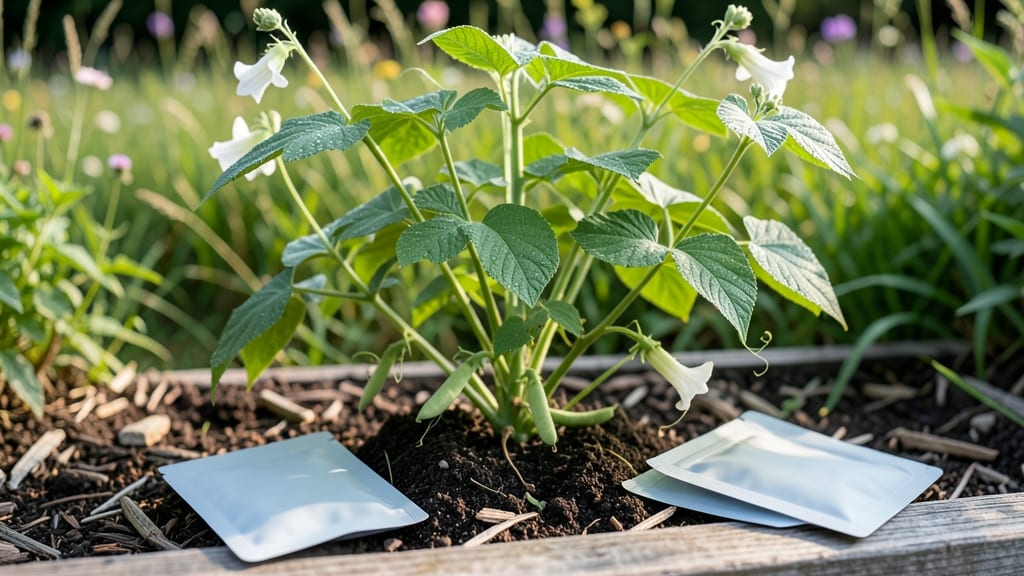
Growing string beans from seed is the fastest way to get a 5-day harvest—no waiting for nursery plants to catch up. 🌱 I’ve grown them every summer since my first garden, and the secret to quick germination lies in warm soil, proper depth, and a little trellis magic.
The key ingredients are simple: a sunny spot, loose soil, and a sturdy trellis or stakes. Plant seeds 1 inch deep and 4 inches apart in rows spaced 18 inches apart. Beans love warmth, so wait until the soil reaches 60°F before sowing—cold soil slows everything down.
Once they sprout, watch them climb! Trellising keeps pods clean and off the ground, preventing rot and making harvests easier. With consistent watering and a light fertilizer boost, you’ll have tender beans in just 50-60 days—perfect for fresh eating or freezing.
This method works for both bush beans (no trellis needed) and pole beans (the climbers). Even if you’ve struggled before, these tricks make it foolproof—I promise!
📚 In This Guide
- What you need
- Instructions
- Tips and common mistakes
- Wrapping up and next steps
What you need
- ● String Bean Seeds: 1–2 packets (50–100 seeds) of pole or bush variety (e.g., 'Blue Lake,' 'Kentucky Wonder').
- ● Garden Plot or Containers: For in-ground: 4–6 ft rows, spaced 18–24 inches apart.
- ● For containers: 5–10 gallon pots (with drainage) or raised beds.
- ● Trellis or Support: 6–8 ft tall stakes, netting, or a DIY trellis (for pole beans).
- ● Well-Draining Soil: Mix of garden soil + compost (pH 6.0–7.0).
- ● Watering Can or Hose: With a gentle spray nozzle.
- ○ Fertilizer (Optional but Helpful): Balanced 10-10-10 or compost tea (mix into soil before planting).
- ● Seedling heat mat (if starting indoors in cool climates).
- ● Row cover or shade cloth (to protect young plants from pests/wind).
- ● Mulch (straw or grass clippings) to retain moisture.
- ● Plant markers (to track varieties).
- ● Pruning shears (for trimming overgrown vines).
Step-by-Step instructions for growing string beans from seed
Here's how to get those beans sprouting in just 5 days—no waiting weeks!
🌱 Step 1: Soak Seeds Overnight for Faster Germination
String beans germinate fastest when you kickstart their energy reserves. Place 4-6 seeds in a small bowl and cover them with warm water (around 80°F). Let them soak for 8-12 hours—you'll see them plump up noticeably. This softens the seed coat and triggers quicker sprouting.
Here's the thing—don't skip this step. I've tried planting dry beans, and germination takes 10-14 days instead of 5. After soaking, drain the seeds in a fine mesh strainer and let them sit for 30 minutes to dry slightly. This prevents them from sticking to the soil when you plant.
🪴 Step 2: Plant in Warm, Well-Draining Soil
String beans thrive in 60-85°F soil, so wait until nighttime temperatures stay above 50°F—they won't germinate in cold soil. Work 1 cup of compost into the top 6 inches of soil to improve drainage and fertility. Beans hate soggy roots, so if your soil holds water for more than 24 hours, mix in 1 part perlite to 3 parts soil.
Plant soaked seeds 1 inch deep and 2 inches apart in rows spaced 18 inches apart. I like to make a small furrow with my finger, drop in 2 seeds per spot (just in case one fails to sprout), then cover lightly. Water gently but don't saturate—you want the soil moist but not dripping. You'll see tiny sprouts emerge in just 3-5 days.
☀️ Step 3: Install Trellis Immediately for Strong Vines
String beans need support to grow upright, and the sooner you set up a trellis, the better. Use 5-foot bamboo stakes or a wire trellis placed 6 inches from the plant row. Drive stakes into the ground until they're stable but not wobbly—you'll be handling them often as vines grow.
As soon as seedlings reach 4 inches tall, gently tie the main stem to the trellis with soft twine. Here's the trick: let the vines climb naturally instead of forcing them. If you see tendrils curling toward the trellis, that's your cue to guide them upward. Strong vines will produce more beans and resist wind damage.
💧 Step 4: Water Deeply and Maintain Consistent Moisture
String beans need 1-1.5 inches of water weekly, but they hate wet feet. Water at the base of the plant in the morning so leaves have time to dry before evening. You'll know moisture is right when the top 2 inches of soil feel damp but not soggy.
I always check soil moisture by squeezing a handful—if it crumbles easily, it's time to water. Mulch around plants with 2 inches of straw to retain moisture and keep roots cool. Avoid overhead watering once flowers appear, as wet blossoms can lead to blossom end rot.
✂️ Step 5: Harvest Regularly to Encourage More Production
Start harvesting when pods reach 4-6 inches long and are firm but still tender. Pick every 2-3 days to keep plants producing—beans left on the vine too long become tough and woody. I always harvest in the morning when pods are crispest.
Real talk: if you see pods turning yellow or brown, you've waited too long. Snip the entire pod with clean scissors to avoid damaging the vine. With consistent care, one plant yields 4-6 pounds of beans over the season—so plant extra if you're hungry!
Tips & tricks for growing string beans from seed
Here's what I learned after planting beans for years—and how to avoid the mistakes that slow down your harvest.
Soaking Secret: For the 8-12 hour soak in Step 1, use a bowl with warm water around 80°F and add a pinch of sea salt. This helps prevent bacterial growth while speeding up germination. I've found that using a glass bowl lets you monitor the seeds more easily—they'll visibly plump up and double in size. If you're short on time, you can soak for just 6 hours, but germination may take an extra day or two.
Soil Temperature Test: Before planting in Step 2, test your soil temperature with a soil thermometer. If it's below 50°F at night, wait—beans won't germinate properly. I've planted too early in cool springs, and the seeds just sat there for weeks. A simple solution is to cover your planting area with black plastic sheeting for a few days before planting to warm the soil naturally. This works especially well if you're in a cooler climate.
Trellis Timing: In Step 3, don't wait until the vines are already struggling to set up your trellis. Install it immediately after planting—even if you don't see sprouts yet. I've seen beans grow into unmanageable tangles when given no support early on. Use soft twine or old pantyhose (yes, really!) to tie the vines to the trellis. These materials are gentle on young stems and won't cut into the plant as it grows.
Watering Hack: For Step 4's moisture management, I've found that using a rain gauge helps track your 1-1.5 inches of weekly water. Place it near your plants and check it regularly—it's easy to overwater when the soil feels damp. A good trick is to water deeply once a week rather than daily shallow waterings. This encourages deep root growth and helps prevent blossom end rot, which is caused by inconsistent moisture.
Pro Tips for Grow String Beans From Seed
- Here's what I learned after planting beans for years—and how to avoid the mistakes that slow down your harvest.
- Soaking Secret: For the 8-12 hour soak in Step 1, use a bowl with warm water around 80°F and add a pinch of sea salt.
- Soil Temperature Test: Before planting in Step 2, test your soil temperature with a soil thermometer.
Frequently asked questions
Got questions about growing string beans from seed? You’re not alone! Here are some of the most common concerns—and their simple solutions—to help you grow a thriving harvest.
How long does it take for string bean seeds to germinate?
With the right conditions (warm soil, consistent moisture, and a cozy spot), string bean seeds typically sprout in 5–10 days. Pro tip: Soak seeds overnight in warm water to speed up germination! If your seeds take longer than two weeks, check soil temperature—beans love warmth (ideally 60–85°F).
When is the best time to plant string bean seeds?
Plant string beans after the last frost when soil is at least 60°F. For warm climates, aim for early spring or late summer. In cooler regions, wait until late May or June. If frost threatens, cover young plants with frost cloth. Fun fact: Some gardeners plant successive crops every 2–3 weeks for a continuous harvest!
Can I grow string beans in containers or do they need a garden?
String beans thrive in containers as long as the pot is at least 12–18 inches deep and has drainage holes. Use a lightweight potting mix, and place the container in full sun. For bush varieties, a 10-gallon pot works; pole beans need a taller container or trellis. Just ensure they get 6–8 hours of sunlight daily.
What should I do if my string bean plants have holes or chewed leaves?
Those pesky holes? Likely bean beetles or slugs. For beetles, handpick them or use row covers. Slugs? Set out beer traps or diatomaceous earth around the base. Prevention tip: Plant basil or marigolds nearby—they repel pests naturally! If aphids appear, spray plants with soapy water (1 tsp mild soap per quart of water).
Why are my string bean plants wilting even though I’m watering them?
Wilting can mean overwatering, underwatering, or root issues. Check soil moisture—beans need 1–1.5 inches of water per week, but soggy soil causes rot. If roots look mushy, trim affected areas and replant. Heat stress? Mulch around plants to retain moisture and cool roots. Pro move: Water in the morning to reduce evaporation.
Wrapping up and next steps
Growing string beans from seed is a rewarding journey—fast, cost-effective, and packed with flavor! With just a few simple steps, you can enjoy a bountiful harvest in as little as 5 days and turn your garden into a vertical green machine using trellises.
Whether you’re a beginner or a seasoned gardener, these crunchy, protein-rich pods are a fantastic addition to any meal.
Now that you’re armed with the know-how, why not take the next step? Try experimenting with different varieties, like purple or yard-long beans, or share your trellis tricks with fellow gardeners. Happy planting—your future salads (and snack time!) will thank you! 🌱✨