
How To
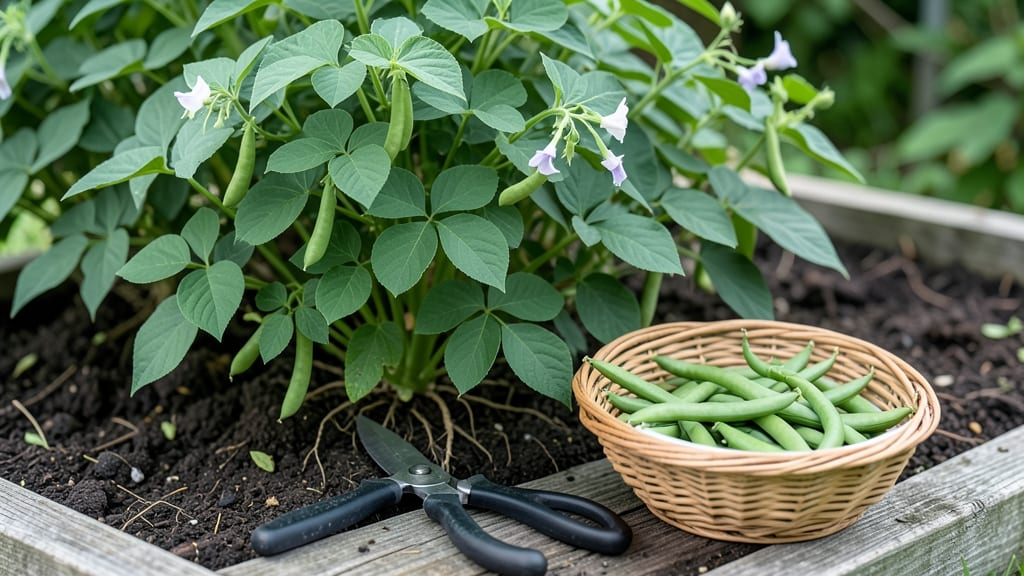
Knowing when to harvest green beans 🌱 means the difference between tender, crisp pods and tough, stringy ones—so here’s how to spot the perfect moment.
Picking green beans at the wrong time can turn your harvest into a chewy disappointment, but the right cues make it simple. Look for pods that are 4-6 inches long, bright green, and firm to the touch—these are your telltale signs.
Beyond size and color, there’s a quick trick to test readiness: snap a pod in half. If it breaks cleanly with a crisp sound, it’s prime for picking. Skip this step, and you risk missing the window when flavor peaks.
In this guide, I’ll walk you through the three key checks (size, color, and the snap test) to harvest at the ideal time, plus how often to pick for a steady supply all season.


3 Key visual cues to harvest green beans at peak freshness
Harvesting green beans at the right time ensures you get the crispest, sweetest pods packed with flavor. The difference between a perfectly tender bean and a woody, overgrown one often comes down to three simple visual cues: pod size, color, and firmness.
Ignoring these signs can mean the difference between a bountiful harvest and a disappointing yield of tough, stringy beans.
Many gardeners make the mistake of waiting too long, thinking bigger beans mean better quality. But in reality, over-mature beans develop thick skins and large seeds, ruining their delicate texture.
The key is to harvest when the pods are young, vibrant, and firm—before the plant shifts its energy from producing pods to developing seeds. This guide breaks down the exact visual signals to watch for, so you never miss the peak harvest window again.
Here’s a quick reference to get you started: 4-6 inch pods with a bright green, glossy appearance and a crisp snap when gently bent are your targets. But let’s dive deeper into each cue to ensure you’re harvesting at the absolute best moment.
The pod size is your first clue—most green bean varieties reach peak flavor when they’re between 4 and 6 inches long. For bush beans, this is typically around 50 days after planting, while pole beans may take a few days longer.
If you’re growing dwarf varieties, they’ll often mature slightly faster, so keep an eye on them every 2-3 days during peak production.
Next, check the color. Ready-to-harvest beans should be a vibrant, glossy green. Any dullness or yellowing is a red flag—the bean is starting to age. Some heirloom varieties may have slightly different hues, like purple or speckled pods, but they should still appear fresh and bright.
If you notice discoloration, it’s time to pick before the plant’s energy shifts to seed production.
Finally, test the firmness with the "snap test". Gently bend a pod—if it snaps cleanly, it’s ready. If it bends without breaking or feels soft or rubbery, it’s overripe.
This tactile check is non-negotiable for determining crispness. Pro tip: Harvest in the morning when pods are cool and firmest, avoiding the heat-induced softness that happens later in the day.
One common mistake gardeners make is harvesting too infrequently, which forces the plant to produce larger, tougher pods. To keep your green beans yielding crisp, tender pods all season, pick every 2-3 days during peak production.
This not only ensures quality but also encourages continuous flowering and pod development. Think of it like pruning a tomato plant—regular harvesting keeps the plant focused on producing more of what you want.
For pole bean varieties, which can produce pods for weeks, consistency is key. Check the lower pods first, as they tend to mature slightly earlier than those higher up.
If you’re growing bush beans, which produce all their pods at once, you’ll see a rush of maturity—be ready to harvest daily for 1-2 weeks to avoid a glut of overripe pods.
Remember, the earlier you start harvesting, the better your yield and quality will be. Once beans begin to yellow or dry out on the vine, they’ve passed their prime.
By mastering these three visual cues, you’ll transform your green bean harvest from tough and disappointing to crisp, sweet, and restaurant-quality. Happy harvesting!
How to test green bean maturity like a pro gardener
If you've ever bitten into a green bean that's woody or mealy, you know how critical timing is for a perfect harvest. The difference between crisp, sweet pods and overgrown string beans often comes down to simple tests you can do right in your garden.
I've learned that mastering these tactile and visual checks will give you a steady supply of garden-fresh beans all season long.
Don't rely solely on days since planting—environmental factors like temperature and sunlight can dramatically affect maturity. Instead, use these three pro gardener methods to determine the ideal harvest window for your specific growing conditions. The good news? You don't need any special tools—just your hands and eyes.
Step-by-Step Green Bean Maturity Test
-
1. The Snap Test
Gently bend a pod—it should snap cleanly like a fresh carrot. If it bends without snapping, wait 1-2 days. Overly stiff pods may need another day to mature. -
2. Pod Thickness Check
Press your thumb and forefinger around the pod. At peak maturity, it should feel firm but not hard. Thinner-than-expected pods need more time on the vine. -
3. Seed Visibility Test
Hold the pod up to light—if you can see even tiny seeds, harvest immediately. Visible seeds mean the bean will quickly become tough and stringy. -
4. Color Brightness
Look for vibrant green color without yellowing. Dull or fading pods indicate the plant is redirecting energy to seed production. -
5. Length Measurement
Use your fingers as a guide—ideal beans should be 4-6 inches long. Shorter pods are underdeveloped; longer ones will be tough.
Pro Tip: Test 2-3 pods daily during peak production for consistent results
I've found that checking beans in the early morning gives the most accurate results, as cooler temperatures make the pods firmer. If you're growing bush beans versus pole beans, the snap test becomes even more critical—pole beans tend to mature slightly later due to their vertical growth pattern.
Remember that regular harvesting encourages more production. When you pick beans at their peak, you're essentially telling the plant, "Keep making more!" This simple feedback loop can double your yield over the season. The key is consistency—don't let your plants go more than 2-3 days without a check.
For container gardeners, these tests work just as well. Just be extra vigilant about checking pods more frequently, as smaller growing spaces can lead to faster maturation. And if you're growing heirloom varieties, they often have slightly different maturity indicators—always check the seed packet for specific guidance.
Once you master these tests, you'll develop an almost instinctive sense for when to harvest. Start with these methods now, and before you know it, you'll be predicting harvest times like a seasoned pro—no guesswork required! 🌱