
Planting
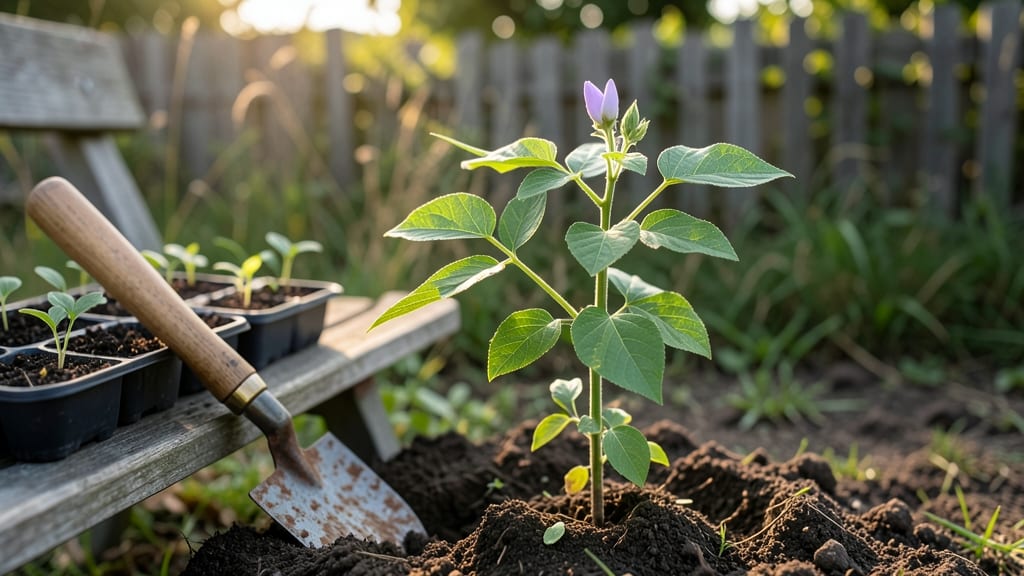
To plant bean plants, soak seeds overnight for faster germination, then sow directly into warm soil (60-85°F) 1 inch deep, 2-3 inches apart, in full sun. Thin seedlings to 4-6 inches apart for optimal growth and airflow.
Beans are one of the fastest-growing vegetables in a garden, and pre-soaking seeds cuts germination time nearly in half. 🌱 The key is maintaining consistent moisture—beans need evenly damp soil but hate soggy conditions.
I’ve found that planting in the afternoon gives seeds a head start before evening cooling, especially in cooler climates. For best results, choose a sunny spot with well-draining soil and avoid overcrowding, as proper airflow prevents fungal diseases that can stunt young plants.
Once sprouted, beans grow quickly—some varieties reach harvestable size in just 50-60 days. The spacing recommendations (4-6 inches apart) aren’t just about aesthetics; they ensure each plant gets enough nutrients and sunlight to produce plentiful pods.
If you’re growing pole beans, installing trellises early saves space and makes harvesting easier by keeping pods off the ground.
💡 In This Article
- Optimal Soil Conditions and Germination Tips for Bean Seeds
- Step-by-Step Planting Schedule for Different Bean Varieties
Optimal soil conditions and germination tips for bean seeds
Bean seeds germinate best when soil temperatures hover between 60-85°F, with 75-80°F being ideal for fastest sprouting.
This warmth activates enzymes in the seed that break down stored starches into sugars, fueling the radical (root) and plumule (shoot) growth. 🌱 The seed's outer coat also softens at these temperatures, allowing moisture to penetrate more easily.
In cooler climates, consider using black plastic mulch to raise soil temperatures by 5-10°F—I’ve seen germination rates double when using this technique during early spring plantings.
Moisture is equally critical—bean seeds need consistently damp soil but will rot if oversaturated. The 1-inch depth planting recommendation ensures roots have enough space to expand while keeping the seed close enough to surface moisture.
Pre-soaking seeds overnight (8-12 hours) in water jumpstarts this process by hydrating the seed coat and activating metabolic processes.
Some gardeners swear by adding a 1/4 teaspoon of baking soda per gallon of soaking water, which raises the pH slightly and mimics natural rainfall conditions that trigger germination in wild beans.
Soil pH between 6.0-7.0 is perfect for beans, as this range optimizes nutrient uptake—particularly nitrogen, phosphorus, and potassium. The roots form nodules containing nitrogen-fixing bacteria (like Rhizobium), which convert atmospheric nitrogen into forms the plant can use. 🌿 This symbiotic relationship explains why beans enrich soil fertility.
If your soil tests acidic (below 6.0), mix in crushed limestone; for alkaline soils (above 7.5), add elemental sulfur. Organic matter like compost improves drainage while retaining moisture—critical for preventing seed rot.
Germination speed varies by variety: bush beans like Blue Lake typically sprout in 5-7 days, while pole beans such as Kentucky Wonder may take 7-10 days. Slow germination often stems from old seeds (over 2 years old), improper moisture, or soil compaction.
To test seed viability, soak a sample in water—seeds that float are likely nonviable. For stubborn seeds, try scarification (lightly sanding the seed coat) to mimic natural weathering that breaks dormancy in wild beans.
Light exposure plays a subtle but important role. While seeds don’t need light to germinate, red light wavelengths (600-700nm) can stimulate hypocotyl elongation—the stem that pushes the seedling upward.
This is why planting in the afternoon works well: the seed receives natural red light as temperatures peak, giving it an early energy boost. After germination, seedlings need 6-8 hours of direct sunlight daily to prevent leggy growth and ensure strong stems that support heavy pods.
One common mistake is overwatering after planting. Beans have shallow root systems initially, so 1 inch of water per week (or 2 inches during flowering) is sufficient. Overwatering can leach nutrients and create anaerobic conditions that suffocate young roots.
Instead, water deeply in the morning to allow soil to dry slightly between waterings—this mimics natural rainfall patterns and prevents fungal diseases like root rot.