
Tools
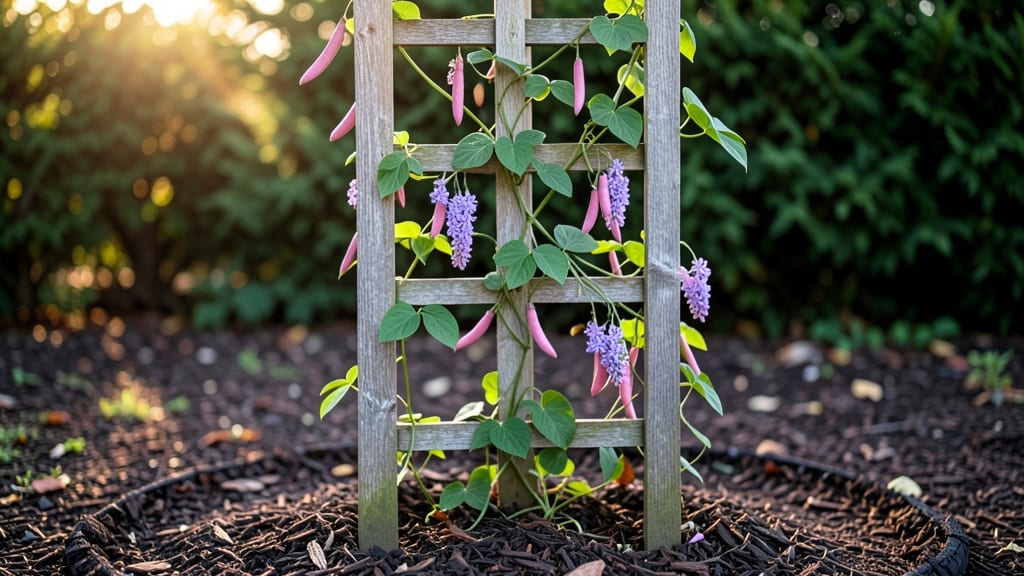
A hyacinth bean trellis turns sprawling vines into a showstopping vertical display. 🌿 I learned the hard way—skipping a trellis means tangled messes and missed blooms. These fast-growing climbers need support to reach their full potential, and the right framework turns them into a garden centerpiece.
Start with sturdy materials like bamboo stakes, metal arches, or wooden grids—whatever matches your space. Hyacinth beans thrive when spaced 12-18 inches apart along the trellis, giving vines room to twine and spread. Pair them with sun-loving companions like marigolds or cosmos for a vibrant, low-maintenance combo.
By midsummer, you’ll have a lush, fragrant curtain of purple flowers and edible pods. The trellis keeps growth organized, prevents disease from damp foliage, and creates a stunning focal point that draws pollinators all season. Works for fences, pergolas, or even container setups—just adjust the height.
Here’s how to set it up right the first time.
📚 In This Guide
- What you need
- Instructions
- Tips and common mistakes
- Wrapping up and next steps
What you need
- ● Trellis Frame: 4 wooden posts (4x4 inches, 6–8 feet tall) – for stability
- ● 2x4 lumber (8 feet long, 4–6 pieces) – for horizontal supports
- ● Galvanized screws or decking screws (2–2.5 inches, 20–30 pieces) – rust-resistant!
- ● Climbing Support: Twine or jute twine (100+ feet) – for weaving or tying vines
- ● Tools: Drill/driver
- ● Measuring tape
- ● Level
- ● Saw (hand saw or circular saw)
- ○ Staple gun (optional, for securing twine)
- ● PVC pipes or metal mesh (pre-made trellis panels) – for a no-build option
- ● Paint or stain (outdoor-rated) – for a polished look
- ● Concrete footings or gravel (for heavy-duty anchoring)
Step-by-Step instructions for building a hyacinth bean trellis
Here's the sturdy, simple system I use to give these vigorous climbers the vertical support they crave.
🪴 Step 1: Choose and Prepare Your Trellis Materials
For a 4-plant trellis, I use 4 bamboo stakes (5 feet tall) and 10 feet of twine or jute rope. Drive the stakes into the ground at 12-inch intervals in a square formation, leaving 2 feet of stake above ground for the trellis structure. Space them carefully—hyacinth beans need this framework to climb properly, and uneven spacing leads to tangled vines.
For extra durability, I soak the twine in water for 30 minutes before use. This prevents it from snapping when wet, which happens with untreated rope when morning dew hits. You'll see the difference immediately when the vines start twining—dry rope stretches and can't hold their weight.
✂️ Step 2: Create the Vertical Framework
Tie the twine horizontally between the top of each stake, creating 3-4 horizontal lines spaced 8-12 inches apart. Start at the top and work downward—this ensures the strongest structure. I use square knots for each connection because they're easier to adjust later if the trellis sags under the weight of flowers.
Leave 6 inches of slack between each horizontal line and the stakes. This extra room prevents the twine from cutting into the vines as they grow. You'll notice the plants naturally spiral upward, using the framework to propel themselves—this is their natural climbing behavior at work.
🌱 Step 3: Plant Hyacinth Beans at the Base
Plant 4-5 seeds per stake at a depth of 1 inch, spacing them 6 inches apart along the base of the trellis. Water deeply after planting to settle the soil around the seeds. The trellis should be positioned where the plants will receive full sun (6+ hours daily)—hyacinth beans produce their most vibrant blooms when they get plenty of light.
Wait 7-10 days until the first true leaves appear before expecting significant growth. You'll see the seedlings emerge with two rounded cotyledons, but the real action starts when the first set of compound leaves unfurl. This is when they'll begin searching for the trellis to climb.
💧 Step 4: Train Vines and Maintain the Trellis
As the vines reach 6-8 inches tall, gently guide the main stems toward the trellis and tie them loosely with soft twine. Avoid pulling the vines—hyacinth beans are delicate climbers, and rough handling can damage the stems. You'll notice the vines naturally wrap around the twine in a counterclockwise direction, which is their natural growth pattern.
Check the trellis weekly for signs of sagging or loose knots. Reinforce any weak points immediately—once the plants flower, the weight of the blossoms can pull the structure apart if it's not secure. Water at the base 2-3 times per week during dry spells, keeping the soil evenly moist but not waterlogged.
☀️ Step 5: Prune and Enjoy the Vertical Display
When the vines reach the top of the trellis (4-5 feet tall), pinch back the tips to encourage bushier growth and more flowers. You'll see new side shoots form within 1-2 weeks, each capable of producing its own clusters of fragrant blooms. This pruning also prevents the trellis from toppling under the weight of the plants.
The real magic happens when the flowers open—hyacinth beans produce pearl-like white or pink blooms that cascade down the trellis like a living waterfall. Deadhead spent flowers regularly to prolong the blooming season, and save some seeds for next year's garden. The trellis structure remains intact even after the plants die back, making it reusable for future climbers like morning glories or sweet peas.
Tips & tricks for building the perfect hyacinth bean trellis
Here's what I've learned after years of growing these showstopping vines—simple adjustments that make all the difference.
Material Prep Secret: Don't skip the 30-minute soak for your twine! This isn't just about preventing snapping—it's about creating a supportive surface for those delicate vines. Untreated twine absorbs moisture and becomes slippery, causing vines to slide rather than climb. I've seen entire trellises fail when the rope stretched beyond recognition after just one morning dew.
Framework Stability: When creating your 3-4 horizontal lines in Step 2, make them slightly uneven—about 10-12 inches apart at the top and 8-10 inches at the bottom. This creates a natural funnel shape that guides vines upward while preventing them from getting trapped between lines. The counterclockwise spiral growth pattern of hyacinth beans means they'll naturally find the next available support.
Planting Precision: Those 6-inch intervals between seeds might seem generous, but they're crucial. Hyacinth beans develop strong central stems that need room to establish their own support system. I've found that planting too closely leads to competition for sunlight and nutrients, resulting in leggy plants that struggle to climb properly. Think of it as giving each plant its own personal climbing lane.
Maintenance Mindset: The weekly trellis checks in Step 4 aren't just about reinforcing knots—they're about understanding your plants' growth patterns. Notice how vines cluster around certain lines? That's your cue to add an extra horizontal support there next time. And when you see those first flowers forming, that's your signal to start regular deadheading to encourage continuous blooming.
Pro Tips for Hyacinth Bean Trellis
- Here's what I've learned after years of growing these showstopping vines—simple adjustments that make all the difference.
- Material Prep Secret: Don't skip the 30-minute soak for your twine!
- Framework Stability: When creating your 3-4 horizontal lines in Step 2, make them slightly uneven—about 10-12 inches apart at the top and 8-10 inches at the bottom.
Frequently asked questions
Got questions about creating the perfect hyacinth bean trellis? You’re not alone! Here are some of the most common queries—plus straightforward answers to help you grow like a pro.
What’s the best height for a hyacinth bean trellis?
Aim for 6 to 8 feet tall—this gives vines room to climb and sprawl without toppling. Hyacinth beans (like Lablab purpureus) can reach 10+ feet if unsupported, but a sturdy 6-foot frame prevents flopping and makes harvesting easier. Use T-posts or metal stakes for extra stability in windy areas!
When should I plant hyacinth beans with a trellis?
Wait until after the last frost (typically late spring) when soil is at least 60°F (15°C). Hyacinth beans thrive in warm weather and need 60–90 days to mature. Plant seeds 1–2 inches deep, 4–6 inches apart, and install the trellis 2–3 weeks later once vines are 6–12 inches tall.
Can I reuse a trellis for hyacinth beans next year?
Clean and sterilize the trellis with a 10% bleach solution (1 part bleach to 9 parts water) to kill pests/diseases. Remove old vines and debris, then store in a dry place. Wooden frames last 5+ years if treated with non-toxic sealant, while metal/pvc trellises are low-maintenance and reusable indefinitely.
What if my hyacinth beans aren’t climbing the trellis?
Check these fixes:
- Vines too young? Wait until they’re 6+ inches tall—young tendrils are weak.
- Trellis too far? Place it within 12 inches of plants to encourage reaching.
- Lack of support? Add horizontal strings or mesh for grip.
- Overcrowding? Thin plants to 12–18 inches apart for better airflow.
Are there alternatives to a traditional trellis for hyacinth beans?
Yes! Try these space-saving options:
Option
Pros
Cons
Bamboo stakes
Natural, cheap, and easy to DIY
Less sturdy; may lean in wind
Obelisk trellis
Maximizes vertical growth in small spaces
Requires more assembly
String between posts
Budget-friendly; works for small gardens
Limited height; needs frequent adjustments
Wrapping up and next steps
Building a hyacinth bean trellis is a rewarding way to maximize your garden’s vertical space while ensuring your plants thrive! With the right materials and a little creativity, you can transform even a small area into a lush, climbing paradise.
Whether you’re a seasoned gardener or just starting out, this project is a fantastic way to boost growth, improve airflow, and elevate your garden’s beauty—all while keeping maintenance simple.
Ready to get started? Grab your tools, pick your favorite trellis design, and let your hyacinth beans climb to new heights! 🌱✨ Review the materials checklist or dive into the FAQs for extra tips before you begin.