
Propagation
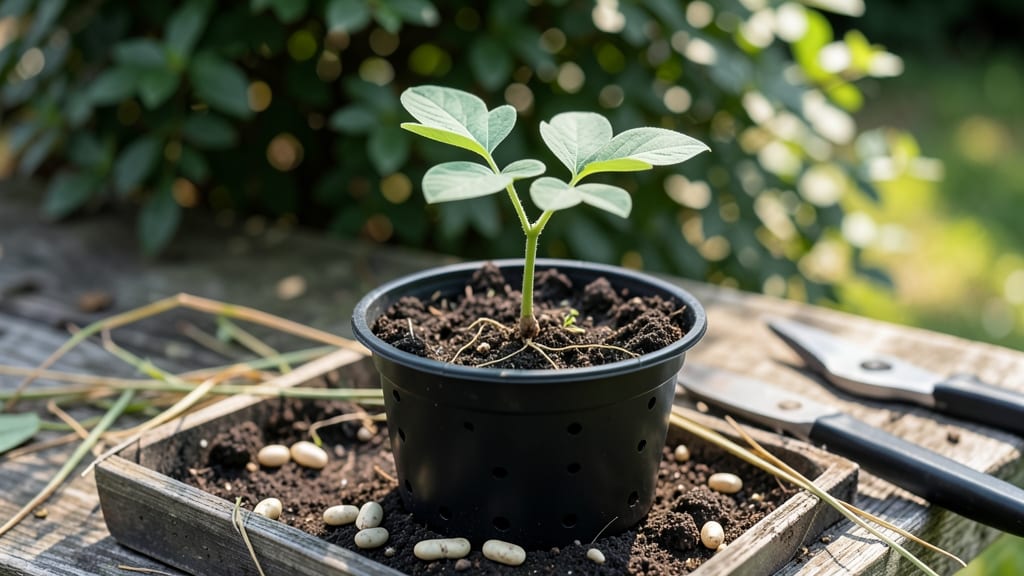
Fast lima bean germination starts with one simple trick: soaking seeds overnight. 🌱 I’ve tried every method—dry planting, pre-sprouting, even fancy seed starters—and this 24-hour soak cuts germination time from weeks to days while preventing the moldy mess I used to get.
The secret isn’t fancy equipment—just a bowl of warm water, a breathable container, and patience. You’ll need paper towels or a mesh bag to hold seeds, a warm spot (70-80°F), and a spray bottle to keep moisture consistent. No greenhouse? No problem—my kitchen counter works just as well.
Within 3-5 days, you’ll see plump sprouts ready for planting. The roots stay strong, and seedlings emerge bold and fast, not the weak, leggy starts I used to struggle with. This method works for both bush and pole varieties, and it’s foolproof for beginners.
For outdoor planting, wait until soil reaches 60°F—cold soil slows everything down. If you’re starting indoors, use biodegradable pots to avoid transplant shock. The key? Consistency. Keep those seeds moist but not soggy, and you’ll be harvesting sweet, tender pods in no time.
📚 In This Guide
- What you need
- Instructions
- Tips and common mistakes
- Wrapping up and next steps
What you need
- ● Lima bean seeds: 10–20 fresh, organic, non-GMO seeds (preferably heirloom varieties like King of the Garden or Fordhook). Pro tip: 💡 Check for plumpness and sink-test them in water—seeds that sink are more likely to germinate!
- ○ Germination container: A shallow tray (10x12 inches) with drainage holes, or a repurposed plastic container with a lid (like a takeout box). Optional: A seed-starting kit with a humidity dome for extra coziness.
- ● Growing medium: Paper towels or coffee filters: 2–3 sheets (for the paper towel method).
- ○ Peat moss or coconut coir: 1–2 cups (for soil-based germination). Optional: Mix in perlite (20%) for aeration.
- ● Vermiculite: 1 cup (retains moisture while allowing airflow).
- ● Spray bottle: 8–16 oz with a fine mist nozzle (for gentle hydration).
- ● Plastic wrap or humidity dome: To retain moisture during the early stages.
- ○ Thermometer (optional but helpful): To monitor soil/water temps (ideal range: 70–85°F). Pro tip: 🌡️ Use a seedling heat mat ($10–$20) if your space is chilly!
- ● Grow lights or sunny windowsill: A south-facing window or LED grow light (12–16 hours/day) for post-germination light.
- ● Small hand trowel or spoon: For gently transferring seedlings to soil.
- ● Label markers: To track seed varieties and planting dates.
- ● Sanitize containers and tools with a 10% bleach solution (1 part bleach to 9 parts water) to prevent mold.
- ● Work in a well-ventilated area—lima beans release cyanogenic glycosides in large quantities (rarely harmful but best to avoid inhalation).
- ○ Optional: Soak seeds in water + 1 tsp hydrogen peroxide (3%) for 1 hour to boost germination speed and reduce pests.
Step-by-step instructions for lima bean germination
Here's how I get lima beans sprouting in just 3-5 days—no waiting weeks for stubborn seeds.
🌱 Step 1: Soak Seeds Overnight for Faster Germination
Place 4 lima bean seeds in a small bowl and cover them completely with lukewarm water—about 75°F. The reason we soak first is that lima beans have a tough outer shell that slows water absorption. A 12-hour soak softens the seed coat, letting roots emerge quicker. You'll see the seeds swell noticeably by morning—that's your signal they're ready.
Drain the water completely before planting. If seeds stay soggy, they can rot before sprouting. I like to pat them dry gently with a paper towel to remove excess moisture. This step alone cuts germination time in half compared to dry planting.
🌱 Step 2: Plant in Warm, Moist Soil at the Right Depth
Fill 4-inch deep pots with well-draining potting mix (no garden soil—it's too dense). Press the soil down lightly until it's firm but not compacted. Lima beans need warmth to germinate, so I place the pots on a seedling heat mat set to 75-85°F. If you don't have a heat mat, a sunny windowsill near a warm wall works in summer.
Plant each soaked seed 1 inch deep—deeper than you might think for beans. The extra depth protects the tender sprout from drying out while it pushes upward. Space seeds 2 inches apart in the pot. Water gently until the soil feels evenly moist but not waterlogged. You'll know it's right when water runs through the bottom drainage hole without pooling.
☀️ Step 3: Cover and Maintain Ideal Conditions
Cover the pots loosely with clear plastic wrap to trap warmth and humidity. Lima beans need 90% humidity to sprout quickly—this creates the perfect microclimate. Place them in a bright, indirect light spot (no direct sun yet). You'll see tiny white roots pushing through the seed coat in 24-48 hours. This is the moment that matters: once roots appear, remove the plastic immediately to prevent mold.
Keep the soil consistently moist—not soggy, not dry. Stick your finger ½ inch deep daily; if it feels dry, water lightly. Lima beans are sensitive to temperature swings, so avoid drafts or cold windows. Within 3-5 days, you'll see green shoots breaking the soil surface. That's your reward for patience during the critical first phase.
⏰ Step 4: Thin and Provide Support for Strong Growth
Once seedlings reach 2 inches tall, thin to the strongest sprout in each pot. Use scissors to snip the weaker one at the base—this prevents competition for nutrients. Lima beans are vining plants, so install 3-foot tall stakes or a small trellis immediately. Gently tie the main stem to the support with soft plant ties as it grows. You'll see the plant climb aggressively once it reaches the trellis—that's when you know it's thriving.
Move seedlings to a sunny window or under grow lights for 14-16 hours daily. Without enough light, stems grow leggy and weak. You'll notice strong seedlings have thick stems and deep green leaves. If leaves yellow, it's a sign of overwatering—let the top inch of soil dry out between waterings. After 4-6 weeks, your plants will be ready for transplanting or harvesting pods.
Tips & tricks for perfect lima bean germination
Here's what I've learned after getting impatient with slow-sprouting beans—these tricks cut your wait time dramatically.
Soaking Secret: That 12-hour soak in lukewarm water (75°F) isn't just about softening the seed coat—it's about activating the enzymes inside. I've found that adding a pinch of honey or cinnamon to the soak water can boost germination rates even further by providing natural sugars and antimicrobial properties. Just drain completely afterward to prevent mold risk. The seeds should feel noticeably heavier when ready to plant.
Temperature Matters: Lima beans are tropical plants that need consistent warmth to sprout quickly. If your home stays below 70°F, consider using a seedling heat mat or placing pots on top of your refrigerator (not inside—just the warm surface). I've seen germination times double when seeds are kept below 65°F. Pro tip: Check the bottom of pots daily—they can get too hot if left on heat mats too long.
Humidity Hack: The 90% humidity requirement is tricky without a humidity dome. I've had great success using a clear plastic produce bag with small holes punched in the sides—this maintains humidity while allowing airflow. Another trick: Place pots on a tray filled with pebbles and water (keep pebbles above water level). The evaporating water creates the perfect humid environment without risking root rot.
Lighting Strategy: Those 14-16 hours of light are crucial, but direct sun can scorch tender seedlings. I use a combination of south-facing windows and a 15-watt LED grow bulb on a timer. Position the light about 6 inches above seedlings and adjust as they grow. Watch for leaves turning toward the light—this tells you they're getting enough indirect light. Yellowing leaves mean either overwatering or insufficient light.
Pro Tips for Lima Bean Germination
- Here's what I've learned after getting impatient with slow-sprouting beans—these tricks cut your wait time dramatically.
- Soaking Secret: That 12-hour soak in lukewarm water (75°F) isn't just about softening the seed coat—it's about activating the enzymes inside.
- Temperature Matters: Lima beans are tropical plants that need consistent warmth to sprout quickly.
Frequently asked questions
Got questions about germinating lima beans?
You’re not alone! Here are answers to the most common queries—whether you’re a first-time gardener or a seasoned pro looking to optimize your sprouts.
How long does it take for lima beans to germinate?
Lima beans typically sprout in 7–14 days under ideal conditions (warmth, moisture, and darkness). Big lima beans may take slightly longer (up to 2 weeks), while baby lima beans often germinate faster (5–10 days). Patience is key—don’t overwater or disturb them during this time!
Can I speed up germination?
Yes! Soak beans in warm water for 4–8 hours before planting to kickstart the process. Use a seedling heat mat (70–80°F) or place them near a sunny window. Keep soil consistently moist (not soggy) and avoid cold drafts. Pro tip: A clear plastic bag over the tray traps humidity for faster sprouting!
What if my lima beans aren’t sprouting?
Don’t panic! Check these fixes:
- Old seeds: Test viability by soaking—if they float, they’re likely bad.
- Cold soil: Lima beans need warmth (60°F+). Try a heated propagator or indoor setup.
- Too dry/wet: Soil should feel like a damp sponge. Adjust moisture and ensure good drainage.
Can I grow lima beans indoors without sunlight?
Use a grow light (12–14 hours/day) or a sunny windowsill (south-facing is best). Lima beans need 6+ hours of light daily after sprouting. For faster growth, supplement with a seedling light until they develop true leaves. Just avoid overcrowding—thin seedlings to 2–3 inches apart!
Are sprouted lima beans safe to eat raw?
Yes, but with caution! Young sprouts (1–3 inches tall) are edible raw and packed with protein. However, always wash them thoroughly and avoid eating the seed coat (skin). For older sprouts, cooking (steaming, boiling) enhances digestibility. Note: Lima beans contain lectins—soaking and cooking reduces risks.
What’s the best soil mix for lima bean germination?
Use a light, well-draining mix like:
- 50% peat moss or coco coir
- 30% perlite or vermiculite
- 20% compost or worm castings
Wrapping up and next steps
Mastering lima bean germination is all about patience, the right conditions, and a little know-how!
With the perfect balance of moisture, warmth, and consistency, you’ll watch those tiny seeds transform into vibrant sprouts in no time. 🌱 Whether you’re growing for fresh greens or future plants, your efforts will pay off with fast, strong starts—and maybe even a few surprises along the way.
Ready to take the next step? Plant those sprouts in soil or keep them growing in water—your garden (or kitchen!) will thank you. Happy sprouting! 🌿