
Neem Oil
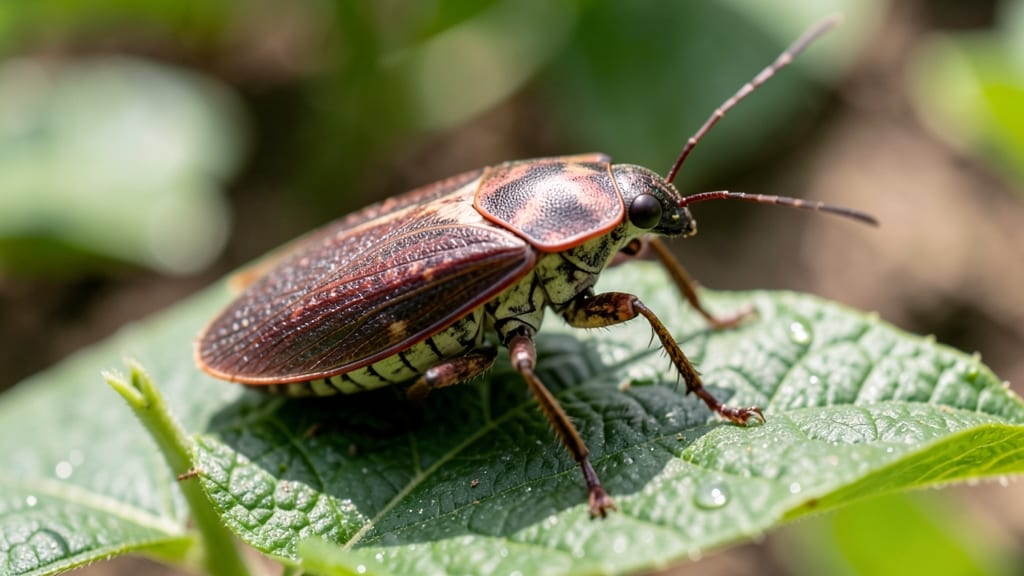
Mexican bean bugs are the sneaky saboteurs of your legume harvest, and neem oil is your secret weapon. 🌱 These shield-backed pests thrive on beans, peas, and soybeans, but a properly mixed neem spray disrupts their lifecycle and stops new infestations before they start.
The key lies in timing—applied at dusk when bugs are active, this blend smothers eggs, repels adults, and prevents future generations from hatching.
Identification is half the battle: look for small, grayish-brown bugs with distinctive shield-like backs and red eyes clustered on the undersides of leaves. Damage shows up as stippled foliage, wilting, and premature pod drop—classic signs your plants are being drained.
Unlike many pests, Mexican bean bugs don’t just nibble; they inject toxins that stunt growth and reduce yields by up to 50% if left unchecked.
This recipe combines neem oil’s natural fungicidal properties with insecticidal soap and a touch of dish soap for adhesion. Mixed in a spray bottle with water, it creates a foolproof barrier that works on contact while being safe for beneficial insects when used correctly.
The solution stays effective for up to 7 days, giving you time to monitor and reapply if needed.
Prevention is just as critical: use floating row covers during early season planting, interplant with marigolds or basil, and remove debris where bugs overwinter. For severe cases, repeat treatments every 5-7 days until harvest.
The blend works on all stages—eggs, nymphs, and adults—so consistency is key to breaking their cycle before your crop suffers.
Root Causes of Infestations
Understanding why these pests invade your garden or crops is the first step in preventing—and eliminating—them. The Mexican bean bug (scientifically known as Riptortus linearis) thrives due to a mix of environmental, agricultural, and ecological factors.
Below are the key reasons these insects become a problem, broken down into actionable insights.
The Mexican bean bug is native to Central and South America but has spread globally, particularly in regions with hot, arid climates. These pests are highly sensitive to temperature and humidity, favoring environments where:
- Daytime temperatures exceed 80°F (27°C) – They become more active, reproduce faster, and survive longer.
- Low humidity (below 50%) – Dry conditions reduce natural predators (like parasitic wasps) and allow eggs to hatch quicker.
- Lack of rainfall – Moisture-stressed plants emit volatile organic compounds (VOCs) that attract these bugs, as they seek out weakened hosts.
Actionable Tip: 🌡️ If you live in a dry, warm region, monitor plants during heatwaves. Use mulch to retain soil moisture and reduce stress signals that lure pests.
Mexican bean bugs specialize in leguminous plants, particularly:
- Beans (green, kidney, pinto, lima)
- Soybeans
- Peas
- Clover & alfalfa
Why does this happen?
- Monoculture farming (planting large areas with a single crop) removes natural biodiversity, making it easier for bugs to find and devastate entire fields.
- Stressed or nutrient-deficient plants emit chemical cues that these pests detect from miles away.
- Immaturity of plants – Young, tender leaves and pods are their preferred food source, as they’re easier to penetrate with their piercing-sucking mouthparts.
Actionable Tip: 🌱 Rotate crops annually and interplant with non-host plants (like corn or tomatoes) to disrupt their feeding patterns. Also, fertilize soil properly to keep plants healthy and resilient.
In balanced ecosystems, Mexican bean bugs face natural predators like:
- Parasitic wasps (e.g., Telenomus podisi)
- Spiders
- Ground beetles
- Birds (e.g., starlings, sparrows)
Why do these predators fail?
- Pesticide use – Broad-spectrum insecticides (like neonicotinoids) kill beneficial insects alongside pests, creating a vacuum where Mexican bean bugs thrive unchecked.
- Habitat destruction – Urbanization and intensive farming reduce hiding spots and nesting areas for natural enemies.
- Seasonal die-offs – Cold winters or extreme heat can decimate predator populations before the bugs rebound.
Actionable Tip: ✨ Avoid synthetic pesticides during the bugs’ active seasons (spring to fall). Instead, encourage biodiversity by planting native flowers (like dill or fennel) to attract parasitic wasps.
Unlike native pests, Mexican bean bugs are accidental invaders spread by:
- Contaminated seed shipments – Bugs or eggs hitchhike on seeds from infected regions.
- Infested plant debris – Discarded plant material (e.g., soybean stalks) can carry eggs to new locations.
- Travel & agriculture movement – Farmers unknowingly transport them via equipment or harvested crops.
Actionable Tip: 🛡️ Inspect new plants before introducing them to your garden. Quarantine suspicious shipments and sterilize tools between farms.
Mexican bean bugs have a short, aggressive life cycle:
- Eggs hatch in 5–10 days under warm conditions.
- Nymphs mature in 3–4 weeks, becoming adults capable of reproducing.
- Multiple generations per year – In ideal climates, they can produce 3–5 generations annually, leading to explosive population growth.
Why does this matter?
- Early-season infestations go unnoticed until damage is severe.
- Overwintering adults (in sheltered areas) emerge in spring, ready to feed and lay eggs immediately.
Actionable Tip: ⏰ Monitor plants weekly from late spring to early fall. Use yellow sticky traps to catch adults before they reproduce.
Mexican bean bugs don’t just appear—they’re drawn by environmental stress, lack of predators, and human activity. By addressing these root causes (through crop rotation, natural pest control, and habitat diversity), you can prevent infestations before they start.
The next step? Learn how to disrupt their life cycle with targeted, natural sprays—like the neem oil blend we’ll cover next.
Natural Ways to Eliminate Bean Pests
Now that you understand why these pesky critters invade your plants, it’s time to take action! Mexican bean bugs (and similar pests) can be stubborn, but with the right approach, you can reclaim your garden naturally.
Below are practical, step-by-step solutions tailored to the root causes—from early detection to long-term prevention.
If you’ve spotted these bugs, act fast before they multiply. Mexican bean bugs thrive in clusters, so the sooner you remove them, the better.
- 🍳 Handpick Adults & Nymphs
- Wear gloves and inspect leaves, stems, and pods daily.
- Drop bugs into soapy water (1 tbsp dish soap per gallon) to kill them instantly.
- Focus on undersides of leaves and flower clusters—their favorite hiding spots.
- 👨🍳 Shake Them Off
- For heavily infested plants, gently shake the plant over a bucket of soapy water.
- Repeat every 2–3 days until no more bugs are visible.
Neem oil is a powerhouse against Mexican bean bugs, disrupting their life cycle while being pet- and plant-safe. Here’s how to use it effectively:
🔪 DIY Neem Oil Spray Recipe (Best for All Stages)
Ingredients:
- 1 tbsp cold-pressed neem oil
- 1 tsp honey or dish soap (as an emulsifier)
- 1 quart water
- Optional: 1 tsp garlic oil (for extra repellent power)
Instructions:
- Mix neem oil + soap in a small bowl.
- Stir into warm water (helps dissolve better).
- Add garlic oil if using, then transfer to a spray bottle.
- Shake well before each use—neem oil separates!
- Spray thoroughly (top/bottom of leaves, stems, pods) every 5–7 days or after rain.
✨ Pro Tip: Apply early morning or late evening to avoid harming bees. Test on a small leaf first to check for sensitivity.
🌡️ Hot Pepper Spray (For Severe Infestations)
If neem isn’t enough, a spicy kick can deter these pests:
- Blend 1–2 hot peppers (like cayenne) with 1 quart water.
- Strain, add 1 tsp soap, and spray directly on bugs.
- Reapply every 3–4 days—the capsaicin irritates their exoskeletons.
The best defense? A healthy garden they won’t want to invade. Implement these low-effort habits to reduce future outbreaks:
💡 Crop Rotation & Companion Planting
- Rotate crops yearly—bean bugs target the same plants (like beans, tomatoes, peppers).
- Plant marigolds, basil, or nasturtiums nearby—their strong scents repel pests naturally.
🥗 Maintain Garden Hygiene
- Remove debris (fallen leaves, old pods) where bugs hide.
- Prune plants to improve airflow—bugs love dense, damp areas.
- Mulch with straw or grass clippings to deter soil-dwelling pests.
🔥 Beneficial Insects: Let Nature Help
Introduce predatory bugs that eat Mexican bean bugs:
- Ladybugs (release 50–100 per 100 sq ft)
- Lacewings (lay eggs near infested areas)
- Spiders (they hunt bean bugs too—don’t swat them!)
- Handpicking + sprays: Notice fewer bugs in 3–5 days; full control in 2–3 weeks.
- Prevention methods: Reduce reinfestation by 50–70% if done consistently.
Remember: Consistency is key! Mexican bean bugs are persistent, but with neem oil, hygiene, and smart planting, you’ll keep your garden thriving—without chemicals. 🌱🚫🐜
Frequently asked questions
How do I know if my plants have Mexican bean bugs?
Look for small, grayish-brown bugs with distinctive shield-shaped backs and bright red eyes clustered on leaf undersides. Check for stippled or yellowing leaves, wilting, and premature pod drop—classic signs. They’re most active during warm, dry conditions, so inspect plants in the morning or evening when they’re less active.
Can I use neem oil spray on flowering plants?
Yes, but apply it early morning or late evening to avoid harming bees. Test on a small leaf first—some plants may react. Neem oil is safe for flowering plants when used correctly, but always follow the 5–7 day reapplication rule and avoid spraying directly on blooms.
What’s the best time of day to apply the neem spray?
Apply between 6 AM–9 AM or 6 PM–9 PM when temperatures are cooler. This reduces evaporation, protects beneficial insects, and ensures the spray coats leaves thoroughly. Avoid midday heat, as it can burn plants and reduce effectiveness.
Will this spray work on other garden pests too?
Neem oil is effective against aphids, whiteflies, spider mites, and even some fungal diseases. The same recipe works for most soft-bodied insects. For tougher pests like beetles, add 1 tsp garlic oil to boost its repellent power.
How long does it take to see results?
You’ll notice fewer bugs within 3–5 days of consistent spraying. For full control, apply every 5–7 days until harvest. Combine with handpicking for faster results—shake plants over soapy water to remove visible pests immediately.