
Planting
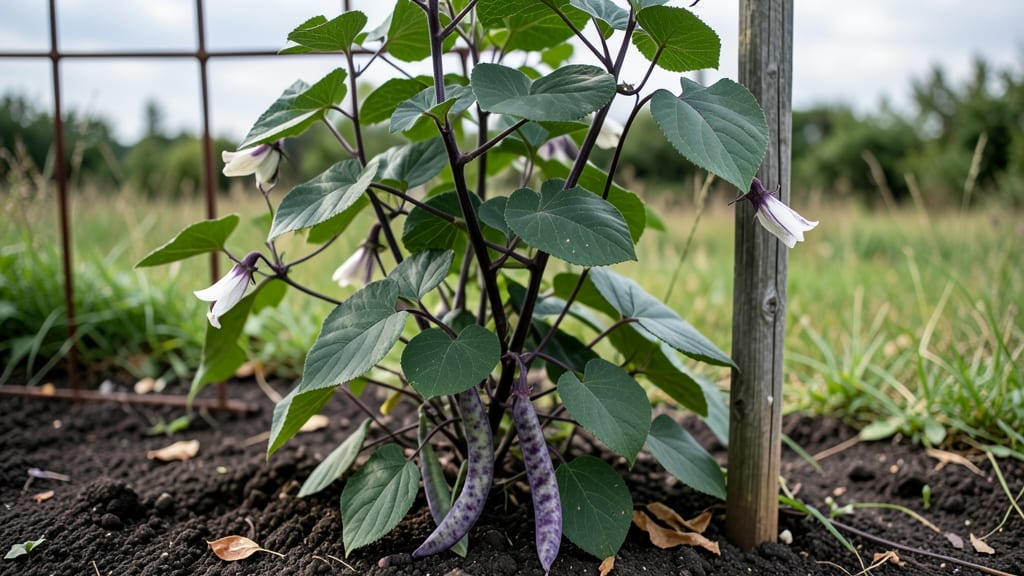
Growing purple bean plants transforms your garden into a vibrant purple-and-green showstopper while giving you a drought-resistant crop that keeps producing all season. 🌿 I planted mine last spring after reading they thrive in poor soil and heat—turns out, they outlasted every other bean variety in my yard, including the ones that wilted by July.
The key is treating them like perennials, even though they often self-seed. They need full sun (6+ hours daily) and well-draining soil—no fancy amendments required. Just dig a hole twice as wide as the root ball, add a handful of compost, and plant them 18-24 inches apart.
Water deeply once a week after establishment, and watch them climb trellises or sprawl attractively in borders. By midsummer, you'll be harvesting tender pods that turn a stunning shade of purple when cooked.
The plants handle drought like champions, and if you leave some pods to dry on the vine, you'll have seeds for next year's crop. Even my black thumb couldn't kill these—just give them space and sunlight. Works in containers too if you prune regularly.
Here's how to keep them thriving all season long!"
📚 In This Guide
- What you need
- Instructions
- Tips and common mistakes
- Wrapping up and next steps
What you need
- ● Seeds: 10–20 purple bean seeds (choose drought-resistant varieties like Lablab purpureus or Phaseolus coccineus).
- ● Potting mix: 5–10 gallons of well-draining, organic potting soil (or a mix of 60% compost, 30% coconut coir, and 10% perlite).
- ● Containers or garden bed: Containers: 5–10 gallon pots with drainage holes (for patio/balcony growing).
- ● Garden bed: Full sun (6+ hours/day) with loose, sandy soil (amend with compost if clay-heavy).
- ● Fertilizer: 1 cup of balanced organic fertilizer (10-10-10) or compost tea for nutrient-rich soil.
- ● Watering can or hose: With a gentle spray nozzle for hydration.
- ● Garden trowel or transplanting tool (for digging holes or repotting).
- ● Mulch: Straw or wood chips (2–3 inches) to retain moisture and suppress weeds.
- ● Trellis or stakes: 3–5 ft tall (purple beans are vining!). Use bamboo stakes or a DIY wire trellis.
- ● Pruning shears (for trimming leggy vines or deadheading spent blooms).
- ○ pH test kit (optional but helpful—purple beans prefer slightly acidic to neutral soil, pH 6.0–7.0).
- ○ Drip irrigation system (optional for automated watering in dry climates).
Step-by-Step guide to growing a thriving purple bean plant
This drought-resistant perennial delivers stunning foliage and edible pods—here’s how to nurture it through every season.
🌱 Step 1: Select the Perfect Planting Site
Purple bean plants (Phaseolus coccineus) thrive in full sun—at least 6-8 hours of direct light daily—but tolerate partial shade in hot climates. I always choose a spot with well-draining soil to prevent root rot, especially in clay-heavy areas. Amend heavy soil with 2-3 inches of compost before planting to improve aeration and moisture retention.
Test your soil’s drainage by digging a 6-inch hole and filling it with water. If it drains within 1-2 hours, your site is ideal. If water pools after 4+ hours, raise the planting area with a 4-inch mound of soil or mix in sand or perlite to boost drainage. Purple beans also need space to sprawl—plant 4-5 feet apart in rows or clusters to allow vines to climb naturally.
💧 Step 2: Plant Seeds or Transplants at the Right Time
Sow seeds 2-3 weeks after your last frost date when soil reaches 60°F, or transplant established plants in early spring. I like to soak seeds overnight in lukewarm water to soften the outer coating and speed germination. Plant seeds 1 inch deep and 2 inches apart in rows spaced 18 inches apart—this gives roots room to establish before thinning.
If using transplants, handle them gently to avoid damaging the taproot. Bury the root ball 1 inch deeper than it was in the nursery pot to encourage stability. Water deeply immediately after planting to settle soil around roots and eliminate air pockets. Mulch with 2-3 inches of straw or shredded leaves to retain moisture and suppress weeds—this is especially critical in drought-prone areas.
☀️ Step 3: Provide Support and Consistent Watering
Purple beans are vigorous climbers, so install 5-6 foot tall trellises, stakes, or strong fences within 2 weeks of planting. I use bamboo stakes tied with twine for a rustic look, but metal cages work too. Guide the main vines along the support as they grow—this prevents sprawling and improves air circulation, reducing disease risk.
Water deeply once a week during the first month to encourage deep root growth, then every 10-14 days once established. Let the top 2 inches of soil dry out between waterings to prevent fungal issues. In extreme heat (above 90°F), increase to twice weekly and water in the early morning to reduce evaporation. Avoid wetting foliage—water at the base instead to keep leaves dry and healthy.
✂️ Step 4: Prune and Harvest for Continuous Growth
Pinch back the top set of leaves when the plant reaches 12-18 inches tall to encourage bushier growth. This redirects energy from vertical growth to flower and pod production. Remove any yellowing or diseased leaves immediately with sterilized pruners—never let infected foliage linger, as it spreads quickly.
Harvest pods when they’re 4-6 inches long and firm, usually 60-70 days after planting. Pick frequently to stimulate more production—overripe pods toughen and lose flavor. I also snip spent flowers (those that haven’t set pods) to redirect the plant’s energy. In mild climates, purple beans often produce two harvests per year—once in spring and again in fall.
🌿 Step 5: Overwinter for Year-Round Productivity
Purple beans are hardy perennials in USDA Zones 3-9, but they need protection in colder climates. After the first frost, cut back vines to 12 inches tall and mulch heavily with 4-6 inches of straw or leaves. This insulates roots and prevents heaving during freeze-thaw cycles. In Zone 3, I wrap the base of the plant with burlap for extra insulation.
Resume watering sparingly in late winter if the ground isn’t frozen—every 3-4 weeks—to prevent drought stress. New growth emerges in early spring, and with proper care, your plant will reach maturity faster each subsequent year. Divide established plants every 3-4 years in early spring by digging up the root ball, separating sections, and replanting to rejuvenate growth.
Tips & tricks for thriving purple bean plants
Between us, these simple yet powerful strategies will help your purple beans flourish beyond expectations—especially in challenging conditions.
Soil Prep Strategy: Purple beans thrive in well-draining soil, but don't overlook the importance of organic matter. The 2-3 inches of compost mentioned in Step 1 isn't just about drainage—it also introduces beneficial microbes that help roots establish faster. I've found that adding a handful of worm castings to the planting hole gives an extra boost to young plants. For clay-heavy soils, mix in perlite at a 1:1 ratio with the top 6 inches of soil to prevent compaction.
Germination Game-Changer: That overnight seed soak in Step 2 is your secret weapon for faster germination. I've seen seeds sprout within 5-7 days when soaked, compared to 10-14 days when planted dry. Here's the thing—after soaking, place seeds between damp paper towels in a warm spot (around 70°F) for 24 hours before planting. This jumpstarts the germination process while keeping the seeds protected from direct sunlight until they're ready to handle it.
Support System Insight: When installing those 5-6 foot trellises in Step 3, think vertically but also horizontally. I've had success with a combination of bamboo stakes and a horizontal wire trellis system that allows vines to climb upward while also spreading out. This creates more surface area for pods to develop and makes harvesting easier. For small spaces, consider using a teepee structure made from 6-8 foot stakes tied at the top—it's perfect for container growing too.
Harvest Timing Secret: Those 60-70 days to harvest in Step 4 are crucial, but here's what nobody tells you—morning is the best time to harvest. Pods are firmest and most flavorful in the cool morning hours. I also recommend harvesting every 2-3 days during peak production. This consistent picking stimulates the plant to produce more flowers and pods, extending your harvest window significantly. Look for pods that snap easily when bent—they're ready to pick!
Pro Tips for Purple Bean Plant
- Between us, these simple yet powerful strategies will help your purple beans flourish beyond expectations—especially in challenging conditions.
- Soil Prep Strategy: Purple beans thrive in well-draining soil, but don't overlook the importance of organic matter.
- Germination Game-Changer: That overnight seed soak in Step 2 is your secret weapon for faster germination.
Frequently asked questions
How long does it take for a purple bean plant to produce edible pods?
The first harvest typically arrives 80–100 days after planting, depending on your climate and variety. Early blooms may not yield pods, so patience is key! Once established, expect year-round harvests in mild climates, with peak production in spring and fall. Pro tip: Prune lightly after harvests to encourage bushier growth and more prolific flowering.
Why are my purple bean plant’s leaves turning yellow or curling?
Yellowing leaves often signal overwatering, while curling can mean underwatering or heat stress. Purple bean plants thrive on drought tolerance, so let soil dry between waterings. Check for pests like aphids (tiny green bugs) or powdery mildew (white fuzzy patches). Fix it: Trim affected leaves, improve airflow, and avoid wetting foliage when watering.
Can purple bean plants survive winter in cold climates?
While they’re perennial in USDA zones 9–11, purple beans are tender perennials and may die back in frost. In colder areas, grow them as annuals or protect them with mulch and row covers. If you’re lucky enough to live in a warm zone, they’ll regrow from the roots each spring—just trim back dead growth in early spring.
Are purple beans as nutritious as green beans?
Purple beans pack antioxidants (anthocyanins) that give them their vibrant color, plus fiber, protein, and vitamins A/C. They’re slightly sweeter and firmer than green beans when cooked. Nutrition boost: Try them raw in salads for a crunchy, nutrient-packed bite or blanch them to retain maximum color and nutrients.
What’s the best companion plant for purple bean plants?
Pair them with basil, marigolds, or nasturtiums to repel pests and attract pollinators. Avoid planting near onions or garlic, as they can stunt growth. Purple beans also play well with corn and squash—a classic "Three Sisters" trio that improves soil health and yields. Design tip: Use them as a living mulch to suppress weeds and retain moisture.
Wrapping up and next steps
Growing a purple bean plant is a rewarding way to add beauty, resilience, and nutrition to your garden—all while requiring minimal water!
Whether you're a seasoned gardener or just starting out, this drought-resistant perennial is a fantastic choice for year-round harvests and vibrant landscapes. Now’s the perfect time to plant, experiment with varieties, and enjoy the fruits (and flowers!) of your labor.
Ready to take the next step? Start small—try a few seeds in a pot or a patch of your garden—and watch your purple bean plant thrive! 🌱 With the right care, you’ll soon be harvesting delicious beans and admiring their stunning blooms. Happy planting!