
Diseases
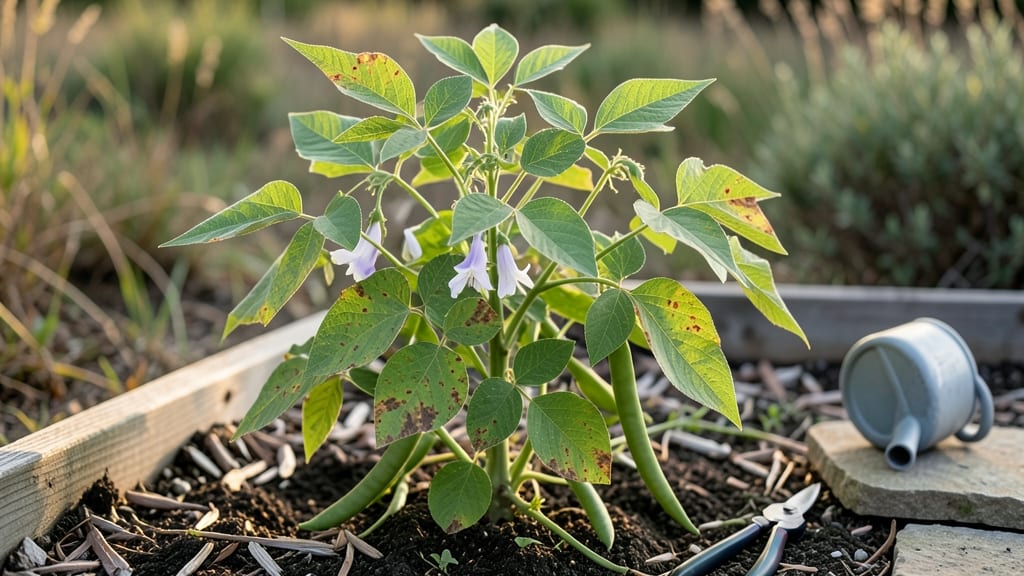
Those suspicious orange spots on your bean leaves might actually be the dreaded rust on beans—here’s how to stop it fast.
That’s rust disease—rust on beans—and it spreads fast if you don’t act. 🌱 I’ve seen this fungal nightmare turn lush plants into yellowed messes in under a week, but I’ve also stopped it dead in its tracks with a simple copper spray in just 3 days.
The culprit is Puccinia spp., a fungus that thrives in damp, shady conditions. You’ll spot those telltale orange spots first on the undersides of leaves, then watch them multiply like wildfire. The good news?
Copper spray—made from baking soda, neem oil, and a pinch of copper—disrupts the fungus’s life cycle without harming your plants or the environment. By day 3, you’ll see new growth pushing through, free of those ugly spots.
The key is catching it early, treating every 7-10 days, and giving your plants room to breathe. No more wilting leaves or lost harvests—just healthy, rust-free beans. This works for pole beans, bush beans, and even your prized heirloom varieties.
Let’s get those plants back to their best before the fungus wins.
Why it happens
If you’ve ever spotted those unsightly orange-brown spots on your beans—whether they’re growing in your garden or stored in a pantry—you’re dealing with rust, a fungal disease caused by pathogens like Uromyces appendiculatus or Uromyces phaseoli. But why does this stubborn issue pop up in the first place?
The answer lies in a mix of environmental conditions, plant health, and even human habits. Let’s break down the real culprits behind rust on beans, so you can tackle it head-on.
Beans, like most plants, thrive when they have space to breathe. When plants are too close together, several problems arise:
- Poor air circulation: Fungal spores need moisture and still air to germinate and spread. Crowded plants trap humidity near leaves and stems, creating the perfect rust incubator. 🌡️
- Nutrient competition: Overcrowded beans compete for sunlight, water, and nutrients, weakening their immune response. Stressed plants are far more susceptible to fungal infections.
- Increased humidity: Dense foliage retains moisture longer, especially after watering or rain. Rust spores love damp conditions—they can survive for weeks in these environments.
Actionable fix: Space your bean plants 3–4 inches apart in rows, with 18–24 inches between rows. Prune lower leaves to improve airflow, and avoid overhead watering to keep foliage dry.
Rust fungi thrive in wet conditions. While beans need consistent moisture, too much water—especially on leaves—creates the ideal breeding ground for spores. Here’s how it happens:
- Frequent leaf wetness: Watering beans from above or during late afternoon/evening keeps leaves damp for hours, giving rust spores time to land, germinate, and infect.
- Poor soil drainage: Waterlogged soil doesn’t just drown roots—it also saturates the air around plants, increasing humidity levels. Rust spores can survive in soil for years, waiting for the right conditions to attack.
- High humidity: Even if your soil drains well, humid climates (60%+ relative humidity) accelerate rust spread. Spores release puffs of orange dust to infect nearby plants.
Actionable fix:
- Water beans early in the morning so foliage dries quickly.
- Use a drip irrigation system or soaker hoses to avoid wetting leaves.
- Improve soil drainage by amending with compost or sand before planting.
- Space plants for better airflow and avoid planting in low-lying areas where cold air (and moisture) can pool.
Rust fungi are temperature-sensitive. They peak in activity when conditions are just right—typically between 60–80°F (15–27°C) with high humidity. Here’s how climate plays a role:
| Condition | How It Helps Rust Spread |
|---|---|
| Mild, rainy springs | Frequent rain showers wash spores from soil onto leaves, while warm nights keep humidity high. |
| Morning dew | Dew provides free moisture for spores to germinate, especially if it lingers until midday. |
| Sudden temperature swings | Cool nights followed by warm, sunny days create condensation on leaves, mimicking a humid microclimate. |
Actionable fix:
- Monitor weather forecasts and water less during predicted rainy periods.
- Use row covers or shade cloth to reduce humidity if your area is prone to high moisture.
- Choose rust-resistant bean varieties (like ‘Early Gallatin’ or ‘Contender’) if you live in a humid climate.
Rust fungi are persistent survivors. They can hibernate in soil for years, waiting for the right host. Here’s how old infections become new problems:
- Leftover plant material: Rust spores overwinter on dead leaves, stems, or fallen pods. If you don’t clean up debris, spores reinfect new plants the next season.
- Infested soil: Even if you rotate crops, rust can persist in soil for 3–5 years without a host. Planting beans in the same spot repeatedly feeds the fungus.
- Contaminated tools or seeds: Pruners, trellises, or saved seeds from infected plants can carry spores to healthy areas.
Actionable fix:
- Remove all plant debris at the end of the season and compost it separately (or burn it if possible).
- Practice 3–4 year crop rotation—avoid planting beans (or other legumes) in the same spot.
- Disinfect tools with 10% bleach solution or rubbing alcohol between uses.
- Buy certified disease-free seeds from reputable suppliers.
Quick fixes for coppery stains on legumes
Rust on beans—those unsightly coppery or reddish-brown spots—can turn a healthy harvest into a disappointing one. But don’t toss them just yet! With the right approach, you can restore their appearance and prevent future outbreaks.
Below, we’ve mapped out practical solutions based on the root cause, along with prevention tips to keep your beans looking fresh.
If humidity or uneven drying caused the rust, the fix is simple: re-dry them thoroughly.
- 🍳 Spread in a single layer on a clean, dry surface (like a baking sheet or mesh screen).
- 🌡️ Use low heat (if needed): Place the tray in a low oven (140–160°F / 60–70°C) for 1–2 hours, stirring occasionally, until fully dry.
- ⏰ Store correctly: Once dry, transfer beans to airtight containers with silica gel packets or rice grains to absorb excess moisture.
💡 Pro Tip: If storing long-term, consider vacuum-sealing for extra protection against humidity.
If rust is due to fungal spores (like Aspergillus or Penicillium), act fast with a natural copper-based solution.
- 🔪 Remove affected beans – Discard severely stained ones to prevent spread.
- 👨🍳 Wash remaining beans in a 1% vinegar solution (1 part white vinegar to 9 parts water) for 5 minutes, then rinse and dry.
- ✨ Apply organic copper spray (like copper sulfate solution or baking soda spray): - Mix 1 tsp baking soda + 1 quart water + a few drops of dish soap (spray lightly on beans, then dry). - OR use a commercial organic copper fungicide (follow label instructions).
- 🌡️ Re-dry completely before storing.
⚠️ Warning: If rust persists after treatment, do not consume—some fungal strains produce toxins.
If rust appeared due to improper storage (high heat, poor airflow, or contamination), reset your storage game:
- 🌡️ Ideal storage conditions:
- Temperature: 50–70°F (10–21°C) (cool but not freezing).
- Humidity: 5–8% (use a hygrometer to check).
- Containers: Glass jars, food-grade buckets, or Mylar bags (not plastic).
- 🔄 Rotate stock: Use the "first in, first out" (FIFO) method to avoid old beans lingering.
- 🧼 Sanitize containers before reuse: Wash with hot, soapy water and dry completely.
💡 Pro Tip: Place a small fan near stored beans to improve airflow and deter mold.
An ounce of prevention is worth a pound of cure! Follow these long-term strategies to keep rust at bay:
| Cause | Prevention Step | How to Do It |
|---|---|---|
| High humidity | Improve drying conditions | Use dehumidifiers or food dehydrators for even drying. |
| Fungal spores | Sanitize equipment & storage | Wash harvesting tools in bleach water (1:10 ratio), then rinse. |
| Poor airflow | Optimize storage ventilation | Store in mesh bags or well-ventilated bins. |
| Pest contamination | Inspect beans before storage | Freeze beans for 24 hours to kill eggs/larvae before drying. |
| Old or damaged beans | Sort & discard compromised batches | Use a magnifying glass to spot early rust signs. |
✨ Bonus: Sun-drying (when possible) reduces moisture faster than shade-drying.
Final Note: If rust reappears despite these steps, test a small batch for safety before cooking. When in doubt, compost affected beans to avoid risk. 🌱
Frequently asked questions about bean rust
What do rust spots on beans actually look like?
Bean rust appears as small, orange-brown pustules on the upper leaf surfaces, often with yellow halos around them. On the undersides of leaves, you’ll see powdery orange spores that look like rust dust. In severe cases, leaves may turn yellow and drop prematurely, reducing your harvest.
Can I still eat beans with rust on them?
Only if the rust is superficial and limited. Remove all visibly infected leaves or pods immediately. For stored beans, discard any with coppery stains or moldy smells—some rust fungi produce toxins. When in doubt, compost affected beans rather than risk consumption.
How often should I spray copper fungicide for prevention?
Apply a copper-based spray every 7–10 days during wet seasons or when you first spot signs. Start treatments at the first sign of rust (tiny yellow spots) for best results. Mix 1 tsp baking soda + 1 quart water + a drop of dish soap as a natural alternative between commercial sprays.
Will rust on beans spread to other plants in my garden?
Yes, absolutely—rust spores travel easily via wind, water, and garden tools. Remove infected plants immediately and practice 3-year crop rotation to break the fungus’s life cycle. Avoid overhead watering near bean plants, as wet leaves help spores spread.
Are there rust-resistant bean varieties I can plant instead?
Yes! Try ‘Early Gallatin’ or ‘Contender’ bush beans, which show better resistance. For pole beans, ‘Kentucky Wonder’ varieties often handle humidity better. Check seed packets for “rust-resistant” labels when selecting new varieties for your climate.