
Tools
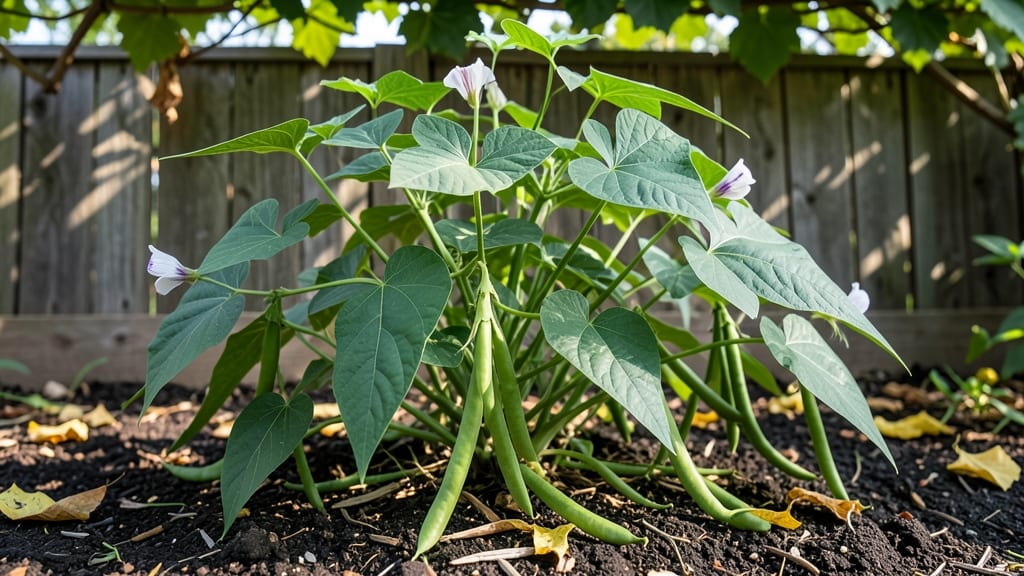
String beans are legumes because they belong to the Fabaceae family, offering high protein, fiber, and essential vitamins like vitamin K and folate. Their pods are edible and packed with plant-based nutrition, making them a versatile staple in plant-based diets and gardens.
These green pods aren't just vegetables—they're botanical powerhouses! 🌱 The Fabaceae family (also called Leguminosae) includes over 20,000 species, and string beans (Phaseolus vulgaris) are among the most nutrient-dense.
What sets them apart is their unique ability to fix nitrogen in the soil through root nodules, a superpower that benefits both the plant and garden ecosystems.
Unlike many vegetables, their entire edible pod contains protein (about 2 grams per ½ cup), fiber, and minerals like magnesium and iron—making them a complete plant-based protein when paired with grains.
Beyond nutrition, their versatility shines in the kitchen. Whether you're sautéing them with garlic or pickling for crunchy snacks, string beans retain their nutrients better than many other vegetables when cooked properly.
The key is minimal water and quick cooking times—overcooking can destroy up to 50% of their vitamin C content. Plus, their mild flavor absorbs seasonings beautifully, from Mediterranean herbs to Asian-inspired stir-fries.
💡 In This Article
- Why String Beans Belong to the Legume Family
- Growing and Cooking String Beans for Maximum Nutrition
Why string beans belong to the legume family
The classification of string beans as legumes stems from their botanical family, Fabaceae, which is defined by three key characteristics: their compound leaves, flower structure, and most importantly, their nitrogen-fixing root nodules.
These nodules contain symbiotic bacteria called Rhizobia that convert atmospheric nitrogen into forms the plant can absorb, enriching the soil naturally. This process is so efficient that string beans can add up to 100-200 pounds of nitrogen per acre over a growing season—far more than synthetic fertilizers provide.
What makes string beans unique among legumes is their edible pod structure.
Unlike dry beans (like black beans) where the entire seed is consumed, string beans offer the whole pod—including the tender seeds and fibrous walls—packed with 18% protein by dry weight (similar to lentils) and 8 grams of fiber per cup.
Their protein content comes primarily from globulins and albumins, which are complete proteins when combined with grains like rice or quinoa. 🌱 This makes them a standout in plant-based diets compared to non-legume vegetables, which typically contain 1-2 grams of protein per serving.
The nitrogen-fixing ability isn't just beneficial for gardeners—it's a survival mechanism. String beans evolved this trait in nutrient-poor soils, allowing them to thrive where other crops would fail. This same mechanism is why they're often planted as cover crops in rotation systems, improving soil health for subsequent plantings.
Nutritionally, this translates to higher mineral content in the pods themselves, including 25% of your daily iron needs per cooked cup—a level comparable to spinach but with added protein.
When comparing string beans to other legumes, their texture and flavor set them apart. While lentils and chickpeas have earthy, dense profiles, string beans offer a crisp-tender bite with a mild, slightly sweet taste that makes them more versatile in both raw and cooked applications.
Their pods contain 1.5-2% pectin, which helps them hold shape during cooking—unlike some legumes that become mushy. This structural integrity is why they're prized in both fresh and preserved forms, from salads to canned goods.
One often-overlooked aspect is their seed structure. The two rows of seeds in each pod (typically 4-8 per pod) are surrounded by a thin, edible membrane that contributes to their unique texture.
This membrane contains soluble fibers like raffinose, which feed the gut microbiome—explaining why string beans have a lower glycemic index (15) than many starchy vegetables. The combination of fiber, protein, and these unique compounds makes them a functional food that supports both digestion and muscle maintenance.
For those tracking macronutrients, here's the breakdown per ½ cup cooked string beans:
- Calories: 31
- Protein: 2g (4% DV)
- Fiber: 2g (8% DV)
- Iron: 0.8mg (4% DV)
- Vitamin K: 25mcg (21% DV)