
Vegetables
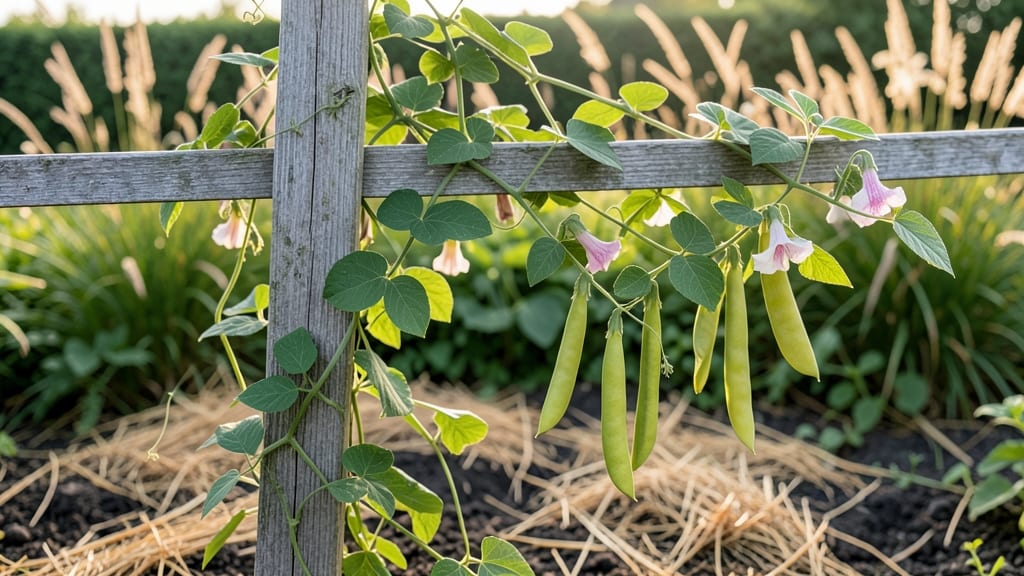
Sunset runner beans turn a small corner into a 60-day edible jungle—vibrant red flowers climbing skyward while you harvest tender pods. 🌱 I’ve grown them three summers running, and every time, the vertical display steals the show while producing more than I can eat.
The secret? Fast germination, aggressive vines, and pods that taste sweeter than store-bought. Start with soil warmed to 60°F and seeds planted 1 inch deep, 4 inches apart. These beans bolt to 10+ feet if given a sturdy trellis, so install yours early—before the vines get serious.
Water consistently (1 inch per week) but avoid soggy soil, which invites fungal diseases. The first pods appear in 50-60 days, and the flowers? Pure showstoppers that hummingbirds can’t resist.
📚 In This Guide
- What you need
- Instructions
- Tips and common mistakes
- Wrapping up and next steps
What you need
- ● Sunset Runner Bean Seeds: 10–15 seeds (check the packet for exact spacing recommendations).
- ● Vertical Trellis or Support: Freestanding A-frame trellis (6+ ft tall)
- ● OR a sturdy wire mesh (garden fencing or chicken wire)
- ● OR a DIY wooden lattice (2x4s or bamboo stakes)
- ● Growing Medium: Potting mix (well-draining, organic blend)
- ● OR compost-enriched garden soil (if planting in-ground)
- ● Containers (if not in-ground): 5-gallon fabric pots (for vertical setups)
- ● OR deep window boxes (12"+ depth)
- ● Hand Trowel or Transplanter (for seed planting).
- ● Watering Can or Hose with Gentle Nozzle (avoid blasting seeds!).
- ● Fertilizer: Balanced organic fertilizer (5-5-5 or compost tea).
- ○ Mulch (optional but recommended): Straw or shredded leaves to retain moisture.
- ● Sunlight Access: 6+ hours of direct sun daily (partial shade tolerated but reduces yield).
- ● Patience & Passion! 🌅 These beauties climb fast—watch them transform your space!
- ● Garden twine or soft ties (to secure vines to trellis).
- ● Epsom salt (1 tbsp dissolved in water every 2 weeks for magnesium boost).
- ● Drip irrigation system (for automated watering).
- ● Decorative lights (to highlight your vertical garden at night!).
Step-by-step guide to growing Sunset runner beans vertically
Here's how I transform a small space into a lush vertical bean garden that yields tender pods in just 60 days.
🌱 Step 1: Choose the Right Trellis and Prepare the Soil
Runner beans thrive when given vertical support, so select a sturdy trellis that's at least 6 feet tall—this variety grows aggressively. I prefer a freestanding pea trellis or a strong wooden frame with 1-inch mesh for maximum climbing space. Install it in a location with full sun exposure (at least 6-8 hours daily) and well-draining soil.
Before planting, enrich the soil with 2 inches of compost mixed into the top 6 inches of soil. Sunset runner beans are heavy feeders, so I also add 1 cup of 5-10-10 fertilizer per 4-foot section of row. Work the amendments into the soil until it feels light and crumbly—like a well-aerated cake batter. Avoid compacting the soil, as roots need room to expand.
🌱 Step 2: Plant Seeds at the Right Depth and Spacing
Runner beans are sensitive to cold soil, so wait until the ground temperature reaches at least 60°F before planting. For vertical gardens, plant 4-5 seeds per trellis (this produces 4 servings of beans) about 1 inch deep and 4-6 inches apart. I like to plant them in a slightly curved row along the trellis base—this encourages even growth and easier harvesting later.
Press the seeds gently into the soil so they make good contact with the earth. Cover lightly with soil and water deeply until moisture reaches 6 inches down. You'll see the first true leaves appear in 7-10 days, signaling successful germination. If seeds don’t sprout within 2 weeks, plant replacements—don’t wait for stragglers.
☀️ Step 3: Train Vines and Provide Consistent Care
Once seedlings reach 6 inches tall, gently guide the main stems up the trellis using soft twine or your fingers. Runner beans are self-clinging, but they need encouragement to wrap around the mesh. I tie the main stems loosely to the trellis every 2 feet to prevent them from flopping over. Avoid tight ties—you want the vines to grow naturally, not strangle.
Water the plants deeply 1-2 times per week, ensuring the soil stays moist but not soggy. You’ll know it’s time to water when the top 2 inches of soil feel dry to the touch. Mulch around the base with 2 inches of straw to retain moisture and suppress weeds. Fertilize again when flowers appear with ½ cup of 5-10-10 fertilizer per trellis to support pod development.
✂️ Step 4: Harvest and Encourage Continuous Production
Sunset runner beans are ready to harvest when pods reach 6-8 inches long and are firm to the touch. I pick them in the morning when they’re cool and crisp—this ensures the best flavor. Harvesting frequently (every 2-3 days) encourages the plant to produce more pods. Use a sharp knife or pruners to cut the pods just above the leaf node, leaving the vine intact for continued growth.
If you notice the pods becoming stringy or tough, it’s a sign they’ve been left too long on the vine. The plant will still produce, but the quality declines. By day 60, you’ll have a bountiful harvest, and if you leave a few pods to mature, you’ll even get beans for drying. Prune back any leggy or overcrowded vines to redirect energy into producing more pods.
🌿 Step 5: Extend the Season and Prepare for Next Year
To prolong the harvest, I often succession plant a second set of seeds 2-3 weeks after the first planting. This ensures a steady supply of fresh pods throughout the growing season. If frost threatens before the season ends, cover the trellis with frost cloth to protect the plants. Runner beans are perennial in zones 9-11, but in colder climates, they’ll die back in winter.
After the harvest, remove the trellis and compost any remaining plant debris to prevent pests and diseases from overwintering. Save seeds from your best-performing plants for next year—Sunset runner beans are open-pollinated, so they’ll grow true to type. With proper care, your vertical garden will yield pounds of beans in just 60 days, making it one of the most rewarding plants for small spaces.
Tips & tricks for growing Sunset runner beans vertically
Real talk: Vertical gardening with runner beans isn't just space-saving—it's a game-changer for productivity. Here’s how I’ve perfected the process after years of trial and error.
Trellis Selection Matters: While a 6-foot trellis works, I’ve found that 8-foot frames yield even more pods because the vines have more room to climb. Look for trellises with 1.5-inch mesh or larger—smaller mesh can restrict vine growth and lead to tangled messes. If you’re using a DIY wooden frame, space the vertical supports 2 feet apart for maximum stability, especially in windy areas. The goal is to create a sturdy structure that won’t wobble when vines are heavy with pods.
Soil Preparation Secret: The 2 inches of compost mixed into the top 6 inches of soil is non-negotiable, but here’s what I’ve learned: Add a handful of perlite or vermiculite to improve drainage, especially if your soil tends to compact easily. Runner beans hate soggy roots, and this extra amendment prevents waterlogging. I also sweeten the soil with a ½ cup of worm castings per trellis—it boosts microbial activity and gives the plants a nutrient boost right from the start. Think of it as a pre-game meal for your beans.
Germination Troubleshooting: Those 7-10 days for germination can feel like an eternity, but here’s the trick: Soak your seeds overnight in warm water before planting. This speeds up the process and ensures more consistent sprouting. If you’re planting in cooler climates where soil temps hover around 60°F, consider using a seedling heat mat for the first week. The seeds need warmth to break dormancy, and this small investment can mean the difference between a full trellis and sparse growth. Just don’t let the soil get hotter than 85°F, or you’ll risk damping off.
Harvesting Like a Pro: When pods reach 6-8 inches and feel firm, they’re ready—but timing is everything. I harvest in the morning because the pods are cool and crisp, which preserves their sweetness. Here’s a pro move: Use a pair of sharp pruners and cut the pods just above the leaf node. This encourages the plant to produce more pods from that node. If you leave pods on the vine too long, they’ll toughen up and become stringy. Trust me, the plant will keep producing as long as you stay on top of harvesting every 2-3 days.
Pro Tips for Sunset Runner Bean
- Real talk: Vertical gardening with runner beans isn't just space-saving—it's a game-changer for productivity.
- Trellis Selection Matters: While a 6-foot trellis works, I’ve found that 8-foot frames yield even more pods because the vines have more room to climb.
- Runner beans hate soggy roots, and this extra amendment prevents waterlogging.
Frequently asked questions
When is the best time to plant Sunset Runner Beans?
Plant them after the last frost when soil temps hit 60°F (15°C). For warm climates, aim for late spring to early summer. They thrive in heat but hate cold, so avoid early-season planting unless you’re in Zone 9+. Pro tip: Use a soil thermometer to check!
How long does it take for Sunset Runner Beans to mature?
Expect 60–70 days from seed to harvest for pods, and 90–100 days for beans. The variety lives up to its name—Sunset refers to its deep red-purple flowers that bloom as the sun sets! Track growth with a simple chart to stay on schedule.
Can I grow Sunset Runner Beans in containers or small spaces?
These vining beauties are perfect for vertical gardens. Use a 5-gallon container with a trellis or let them climb a 6-foot fence. Just ensure 1–2 inches of soil depth and daily watering during dry spells. Bonus: Mix in compost for nutrient-boosted growth!
What pests should I watch for with Sunset Runner Beans?
Keep an eye out for bean beetles, aphids, and spider mites. Neem oil or soapy water sprays work well for mild infestations. Prevention tip: Plant near basil or marigolds to repel pests naturally. Check undersides of leaves weekly for early signs.
Are Sunset Runner Beans edible, and how do I harvest them?
Yes! Harvest pods when 4–6 inches long for tender, string-less beans. For dried beans, wait until pods turn tan and papery. Pro move: Pick regularly to encourage more production. Store fresh pods in the fridge for 3–5 days or freeze for later.
What can I plant after Sunset Runner Beans?
These beans are light feeders, so follow them with heavy nitrogen-lovers like corn, squash, or leafy greens. Avoid replanting beans in the same spot until next year to prevent disease. Fun fact: They’re great companions for cucumbers and potatoes!
Wrapping up and next steps
Growing sunset runner beans in your vertical garden isn’t just about space-saving—it’s a rewarding journey that yields vibrant blooms and delicious pods in just 60 days! 🌱 With the right setup, patience, and a dash of creativity, you’ll enjoy a thriving harvest while adding a pop of color to your space.
Whether you’re a beginner or a seasoned gardener, these beans prove that big results come from small spaces.
Ready to take the next step? Grab your trellis, seeds, and a sunny spot—your vertical garden adventure starts now! Share your progress or harvest tips in the comments—we’d love to see (and taste) your success. 🌅