
Vegetables
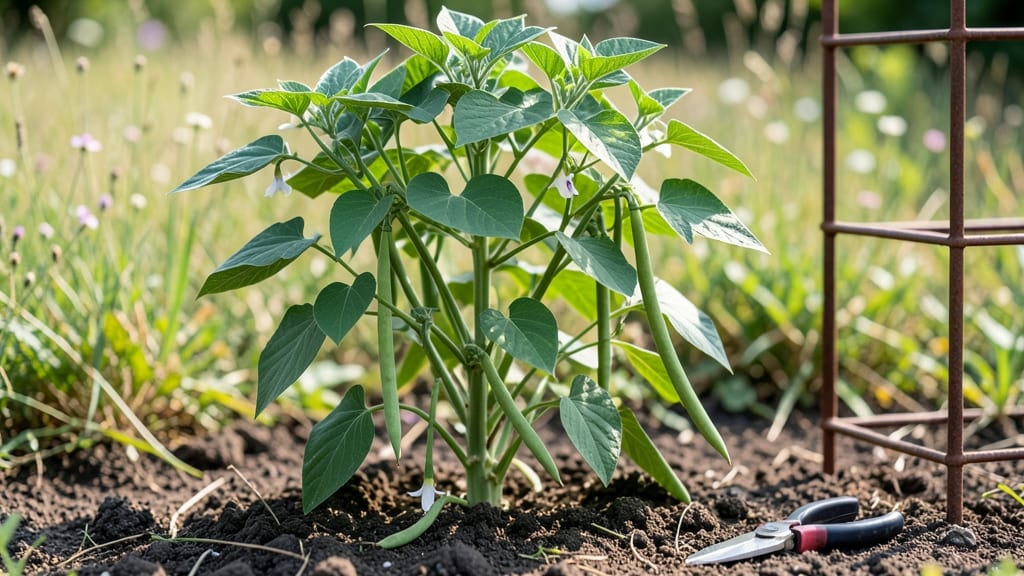
Growing thin green beans in tight spaces changed how I garden forever—no more sacrificing yard space for a decent harvest. 🌱 The key is vertical training, which turns a 2-foot square into a pole bean powerhouse that produces pounds of tender pods without crowding.
Start with well-draining soil rich in compost (they hate soggy roots), and plant seeds 1 inch deep, 4-6 inches apart. When seedlings hit 4 inches tall, thin to the strongest one every 4 inches—this prevents competition and ensures straight, productive vines.
Within 6 weeks, you’ll watch those tendrils climb, and the harvest will begin. What makes this method special is how it transforms neglected corners: trellises against fences, cages in containers, or even DIY bamboo stakes. The beans stay crisp, flavorful, and free from the woody texture that plagues overcrowded plants.
You’ll harvest every 3-4 days all summer long. Perfect for balconies, small patios, or urban gardens where space is precious. The same technique works for other pole beans too—just adjust the spacing slightly for bushier varieties.
📚 In This Guide
- What you need
- Instructions
- Tips and common mistakes
- Wrapping up and next steps
What you need
- ● Thin Green Bean Seeds: Choose a pole bean variety (e.g., 'Kentucky Wonder,' 'Blue Lake,' or 'Rattlesnake').
- ● Quantity: 10–15 seeds (or 1–2 pods per plant if buying starts).
- ● Growing Containers or Vertical Trellis: Containers: 5–10 gallon pots (1 per plant) with drainage holes.
- ● Trellis: A 6–8 ft tall freestanding or wall-mounted trellis (e.g., bamboo, metal mesh, or A-frame).
- ● Potting Soil: 1–2 bags of well-draining, organic potting mix (avoid garden soil—it compacts).
- ○ Optional: Mix in compost (1 part compost to 3 parts soil) for nutrients.
- ● Fertilizer: Balanced 10-10-10 or 5-10-10 fertilizer (follow package instructions).
- ● OR organic options like worm castings or fish emulsion.
- ● Basic Gardening Tools: Trowel or small hand shovel.
- ○ Gloves (optional but recommended).
- ● Watering Can or Hose: With a gentle spray nozzle to avoid displacing soil.
- ● Twine or Garden Twine: For securing vines to the trellis (if not using a built-in support system).
- ● Sunlight: 6+ hours of direct sunlight daily (south-facing window or outdoor spot).
- ○ Optional (But Helpful!): Mulch (straw or shredded leaves) to retain moisture.
- ● Plant markers to track varieties.
- ● Pruning shears for trimming excess growth.
How to grow thin green beans vertically in small gardens
Here's my go-to method for growing bushy, productive green bean vines without taking over your yard.
🌱 Step 1: Choose the Right Variety and Planting Location
Select a compact bush or pole variety like 'Blue Lake' or 'Contender'—they're perfect for small spaces and produce thinner, more tender pods. Thin green beans need full sun (6+ hours daily) and well-draining soil with a pH between 6.0-7.0. I always test my soil first because beans are sensitive to acidity.
Pick a spot with at least 4 feet of vertical space for trellises or stakes. If you're using a fence, space plants 3-4 inches apart along the bottom. For freestanding trellises, give each plant 6-8 inches of width to sprawl slightly. Avoid planting where beans or other legumes grew last year to prevent soil-borne diseases.
☀️ Step 2: Prepare Soil and Install Support Structures
Loosen the soil to a depth of 12 inches and mix in 2-3 inches of compost—this improves drainage and adds nitrogen-fixing bacteria that beans love. I swear by a handful of bone meal per planting hole too; it gives them a phosphorus boost for strong roots and vines. Avoid fresh manure—it can burn tender bean roots.
Install your support system before planting. For trellises, use 4-6 foot tall bamboo stakes or a wire mesh trellis (I like the A-frame style). Drive stakes 6 inches deep and tie them together at the top with twine. For a fence, attach jute twine horizontally every 12 inches—beans will twine naturally as they grow. Don't skip this step; unsupported vines flop and produce fewer pods.
🌿 Step 3: Plant Seeds at Proper Depth and Spacing
Plant seeds 1 inch deep and 2-3 inches apart in rows spaced 18-24 inches apart. I use a small stick to make holes—it's faster than my fingers and keeps spacing consistent. Plant 2-3 seeds per spot since germination isn't always perfect. Thin to the strongest seedling once they're 2 inches tall.
Water gently after planting to settle the soil around seeds. Keep the soil moist but not soggy until germination, which takes 7-14 days depending on temperature. You'll know it's time when you see the first true leaves—those are the little round leaves that appear after the initial seed leaves. This is when you can start your support training.
💧 Step 4: Train Vines and Maintain Consistent Care
When seedlings reach 4-6 inches tall, gently guide the main vine onto your support structure. For trellises, tie the vine loosely with soft twine every 12 inches as it grows. Never tie too tight—you want to encourage upward growth, not strangle the stem. Beans grow fast, so check weekly and adjust ties.
Water at the base 1 inch per week, keeping soil consistently moist but never waterlogged. Mulch with 2 inches of straw to retain moisture and prevent weeds. Thin green beans are sensitive to drought—wilting causes pods to become tough and stringy. You'll know you're watering right when the soil feels damp 1 inch below the surface.
✂️ Step 5: Harvest and Prune for Continuous Production
Start harvesting when pods are 4-6 inches long and still tender—this is when they're at their peak flavor. I pick every 2-3 days to encourage more production. Use sharp scissors or pinch pods at the stem to avoid damaging the vine. The key to thin green beans is frequent picking; if you let pods swell beyond 6 inches, they'll become tough and seedy.
Prune any yellow or diseased leaves immediately to prevent spread. If your plants start flowering but not producing pods, they might need more phosphorus. Side-dress with a little more bone meal or compost tea mid-season. With proper care, you'll get harvests for 4-6 weeks—longer than most gardeners expect!
Tips & tricks for perfect vertical green bean growth
Here's what I learned after years of growing these space-saving vines—simple tricks that make all the difference in your small garden.
Support System Stability: When installing your 4-6 foot tall bamboo stakes or trellis, drive them 6 inches deep to prevent leaning. I use a post hole digger for this—it's faster than a shovel and gives you consistent depth. If you're using a fence, attach the jute twine horizontally every 12 inches before planting. This prevents the twine from sagging as the plants grow, which can snap delicate vines.
Soil pH Secret: Thin green beans thrive in soil with a pH between 6.0-7.0, but most garden soil tests around 6.5. If your test shows lower than 6.0, add a handful of lime to each planting hole. For higher than 7.0, mix in a little peat moss. I test my soil every year because pH changes naturally over time—especially after heavy rains or compost additions.
Germination Timing: The 7-14 day germination window can feel like forever, but there's a trick to speed things up. Soak your seeds overnight before planting—they'll sprout faster and more uniformly. Just make sure to plant them at the 1 inch deep mark right after soaking. I also keep my seed trays in a warm spot (70-75°F) until germination begins, which cuts those 14 days down to about 7.
Harvesting Hack: To maximize your 4-6 week harvest window, start checking for pods at 4-6 inches long every 2-3 days—but don't wait until they're fully grown. The key is to harvest when pods are still tender and bright green. I use a small pair of kitchen scissors for this because they give me clean cuts without damaging the vine. If you're unsure about timing, cut one pod open—if it's still translucent inside, it's ready!
Pro Tips for Thin Green Beans
- Here's what I learned after years of growing these space-saving vines—simple tricks that make all the difference in your small garden.
- Support System Stability: When installing your 4-6 foot tall bamboo stakes or trellis, drive them 6 inches deep to prevent leaning.
- Soil pH Secret: Thin green beans thrive in soil with a pH between 6.0-7.0, but most garden soil tests around 6.5.
Frequently asked questions
Got questions about growing thin green beans in small spaces? You’re not alone! Here are answers to the most common queries to help you grow a thriving vertical vine garden with ease.
How long does it take for thin green beans to grow from seed?
Thin green beans typically sprout within 7–14 days after planting, depending on soil temperature and moisture. Once planted, they reach harvest-ready height (about 4–6 feet) in roughly 50–60 days. For faster results, opt for transplants instead of seeds!
Can I grow thin green beans in containers or small gardens?
Thin green beans thrive in containers as long as the pot is at least 12 inches deep and has good drainage. Use a trellis or vertical support to save space. Just ensure they get 6+ hours of sunlight daily and consistent watering.
How often should I water thin green beans?
Keep soil consistently moist but not soggy—water when the top inch feels dry. During hot weather, thin green beans may need watering every 2–3 days. Morning watering prevents fungal issues, and mulching helps retain moisture.
What’s the best way to harvest thin green beans for maximum yield?
Harvest when pods are 4–6 inches long and tender for the best flavor. Pick every 2–3 days to encourage more production. Use sharp scissors or pruners to avoid damaging vines. Pro tip: Harvest in the morning for the freshest taste!
How do I prevent pests like aphids or bean beetles from damaging my plants?
Use row covers early in the season to deter pests. Introduce beneficial insects like ladybugs or lacewings. For severe infestations, spray with neem oil or insecticidal soap. Rotate crops yearly to reduce pest buildup.
Can I save seeds from thin green beans for next year?
Yes! Let a few pods mature fully on the vine, then dry them in a cool, dark place. Remove seeds, store in a paper envelope, and keep in a dry spot. Note: Seed viability drops after 2–3 years, so refresh supplies occasionally.
Wrapping up and next steps
Thin green beans are a fantastic choice for small gardens—packed with flavor, easy to grow, and perfect for saving space with their vertical vines! 🌱 Whether you’re a beginner or a seasoned gardener, their low-maintenance nature makes them a rewarding addition to any plot.
Now that you’re armed with the right materials and answers to common questions, it’s time to roll up your sleeves and get planting!
Start by choosing a sunny spot, setting up your trellis or tower, and sowing those seeds. Before you know it, you’ll be harvesting crisp, homegrown beans straight from your garden. Happy growing—your future meals (and taste buds) will thank you! 🌿