
Tools
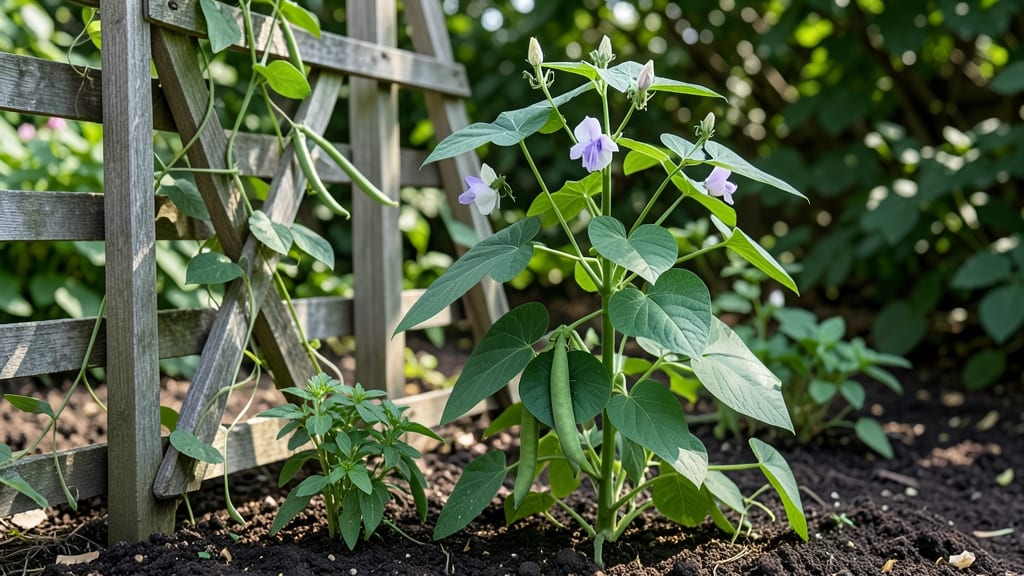
Trellises for beans aren’t just about saving space—they turn floppy vines into bushier, higher-yielding powerhouses. 🌱 Last summer, my pole beans climbed a simple A-frame trellis and produced three times more pods than the bush beans sprawling in the garden bed. The secret?
Better airflow, sunlight exposure, and less competition for nutrients underground. You don’t need fancy materials—just sturdy stakes, string, or a pre-made trellis kit. Pole beans (like Kentucky Wonder or Scarlet Runner) thrive on trellises, while bush beans (like Blue Lake) can benefit too if space is tight.
A 6-foot-tall structure works for most varieties, and you can anchor it with garden stakes or weights for stability. Once your beans start climbing, gently weave the vines through the trellis as they grow.
Prune side shoots to encourage upward growth, and watch those pods form along the stems instead of rotting on the ground. By midseason, you’ll have a vertical bean factory that’s easier to harvest and less prone to pests.
This method works for containers, small patios, or crowded gardens—just adjust the trellis height to fit your space. The best part? No digging, no fuss, and a harvest that keeps coming all season long.
📚 In This Guide
- What you need
- Instructions
- Tips and common mistakes
- Wrapping up and next steps
What you need
- ● Trellis Structure: Bamboo stakes (3–5 ft tall, ½–1 inch diameter) – 4–6 stakes per 10 ft row
- ● OR Wooden posts (4x4 or 2x4 lumber, 6–8 ft tall) – 1–2 posts per 10 ft row
- ● OR Metal or PVC pipes (½–1 inch diameter) – 2–4 vertical supports
- ● Cross Supports: Twine, jute twine, or baler twine (¼ inch thick) – 1–2 spools
- ● OR Nylon rope or garden twine – 50–100 ft
- ● OR Chicken wire or plastic mesh (for lattice-style trellises) – 1–2 rolls
- ● Fasteners (if using wood/metal): Zipties, screws, or metal staples – 10–20 pieces
- ● Tools: Measuring tape
- ● Scissors or wire cutters
- ● Hammer or mallet (for stakes)
- ○ Drill (optional, for wood/metal trellises)
- ● Galvanized wire or cable ties – for extra durability
- ● Decorative lattice panels (for aesthetic appeal)
- ● Sturdy garden staples (if securing twine to posts)
- ● Paint or stain (for wooden trellises)
- ● Trellis kit (pre-made, for convenience)
How to build bean trellises for stronger plants and bigger harvests
Here's the simple method I use to transform floppy bean vines into productive vertical powerhouses.
🪴 Step 1: Choose the Right Trellis Structure
For pole beans, use 6-foot tall stakes driven 2 feet deep into the soil, spaced 18 inches apart. For bush beans, simple 3-foot tall wire cages work best—just bend 12-gauge wire into a dome shape and secure with stakes. I like A-frame designs for pole beans because they're stable in wind and provide 360-degree support as vines spiral upward.
Position trellises where they'll get full sun (at least 6-8 hours daily) and avoid casting shade on other plants. The key is stability—if your trellis sways, vines will break under the weight of pods. For heavy producers like Kentucky Wonder, add a crossbar halfway up for extra support.
☀️ Step 2: Plant Beans Alongside the Trellis
Sow seeds 1 inch deep, 2 inches from the trellis support (stake or wire). Space 4-6 inches apart in rows—this gives roots room to spread while vines reach upward. I plant 3-4 seeds per stake then thin to the strongest sprout after germination. Water gently right after planting so soil settles around seeds without disturbing their position.
Wait until first true leaves appear (about 7-10 days) before removing weaker seedlings. This ensures you're not wasting energy on competition. The strongest plant will have bold green leaves and a straight stem—keep that one and remove others at the base with clean shears.
🌱 Step 3: Train Vines as They Grow
When vines reach 6 inches tall, gently weave them through the trellis in a spiral pattern. For pole beans, guide the main stem upward first, then let side branches wrap naturally. I use soft garden twine to loosely tie vines to the trellis if they struggle to grip—never pull tightly, just secure enough to prevent flopping. Bush beans don't need tying; just let them climb the wire mesh.
Watch for side shoots that form at the base—these are energy drains. Pinch them off when they're 2 inches long to redirect the plant's focus upward. You'll see faster vertical growth within a week of proper training. The goal is one strong main stem with well-supported branches holding pods away from soil-borne diseases.
✂️ Step 4: Maintain and Harvest for Maximum Yield
Prune yellow or diseased leaves immediately to keep air circulating. For pole beans, remove any side branches below 12 inches—these won't produce meaningful yields and just compete with the main vine. Harvest every 2-3 days when pods are firm and fully developed (but before they harden). I pick in the morning when pods are crispest.
Water at the base (not overhead) to prevent fungal issues. The soil should stay evenly moist but never soggy—think of a wrung-out sponge. If leaves curl or pods develop cracks, you're either underwatering or overwatering. A mulch ring around the base keeps moisture steady and suppresses weeds that compete for nutrients.
⏰ Step 5: Extend the Season with Simple Tricks
For fall harvests, plant heat-tolerant varieties like Contender in early summer. Use black plastic mulch to warm soil and row covers to protect from late frosts. I've grown beans until first hard frost by covering plants at night with lightweight fabric—just remove it in the morning for sunlight. The trellis keeps vines off cold, damp soil.
Save seeds from your best producers by letting 2-3 pods per plant mature completely on the vine. Dry them thoroughly in a well-ventilated area before storing. Next year, you'll have locally adapted plants that thrive in your specific conditions—no need to buy new seeds!
Tips & tricks for perfect bean trellis construction
Common pitfalls—and how to sidestep every one when building your vertical bean garden.
Stability is Everything: The 6-foot stakes for pole beans need that 2-foot deep anchor to prevent swaying in wind. I've seen vines snap under the weight of pods when trellises aren't properly secured. For extra stability, especially in windy areas, add a crossbar halfway up—this creates a more rigid structure that won't flex. Think of it like building a ladder: the deeper the base, the stronger the whole structure.
Plant Spacing Secret: That 4-6 inch spacing between plants in Step 2 gives roots room to breathe while still allowing vines to reach the trellis. Too close, and you'll get competition for nutrients; too far, and you waste garden space. I like planting on a 6-inch grid for bush beans—this gives me enough plants for a good harvest without overcrowding. For pole beans, I stick with the 4-inch spacing since they'll grow taller and need that extra support.
Training Technique: When your vines hit 6 inches tall in Step 3, resist the urge to force them upward. Instead, let them naturally spiral around the trellis—this creates a stronger grip than any twine. I only use garden twine when vines look like they might flop, and even then, I tie loosely so I don't restrict growth. The goal is to guide, not control. You'll notice faster growth when vines can support themselves naturally.
Harvest Timing: Those 2-3 day harvest intervals in Step 4 are crucial for maximum yield. Beans produce continuously, so regular picking encourages more flowers and pods. I set a timer on my phone for every 2 days as a reminder—it's easy to forget when you're busy in the garden. Harvest in the morning when pods are crispest, and always pick before they harden. Overripe pods mean fewer future harvests from that plant.
Pro Tips for Trellises For Beans
- Common pitfalls—and how to sidestep every one when building your vertical bean garden.
- Stability is Everything: The 6-foot stakes for pole beans need that 2-foot deep anchor to prevent swaying in wind. I'...
- Plant Spacing Secret: That 4-6 inch spacing between plants in Step 2 gives roots room to breathe while still allowing...
Frequently asked questions
Got questions about trellising beans? You’re not alone!
Whether you're a first-time gardener or a seasoned green thumb, these FAQs will help you grow like a pro.
What’s the best time to put up a trellis for beans?
Plant your beans first, then install the trellis when seedlings are 4–6 inches tall (about 2–3 weeks after sowing). This gives roots time to establish before climbing. Pole beans (like Kentucky Wonder) need trellises early, while bush beans can wait until they start flowering.
Can I use bamboo stakes instead of a wire trellis?
Bamboo stakes, wooden dowels, or even sturdy branches work great for pole beans. Space them 12–18 inches apart and weave in twine or string for extra support. Just ensure they’re tall enough (5–7 feet) to accommodate your bean variety’s height.
Why aren’t my beans climbing the trellis?
Check for these common issues:
- Wrong variety: Bush beans won’t climb—use pole beans instead.
- Overcrowding: Thin seedlings to 4–6 inches apart for better airflow.
- Late trellis: Install it before vines get too heavy.
- Poor attachment: Twist vines gently around the trellis or tie them with soft fabric strips.
Do trellised beans produce more yield than untrellised ones?
Yes! Trellising improves air circulation, reduces disease risk, and directs energy toward pod production instead of sprawling. Studies show pole beans on trellises can yield 2–3x more than bush beans grown on the ground—plus, they’re easier to harvest!
What if my trellis collapses under the weight?
Upgrade your support! Heavy bean varieties (like Scarlet Runner) need stronger frames—opt for:
- Metal T-posts with wire mesh.
- Wooden lattice panels.
- Tall garden cages (6+ feet).
Wrapping up and next steps
Growing beans vertically with trellises isn’t just a space-saving hack—it’s a game-changer for healthier, bushier plants and bigger harvests! 🌱 Whether you’re a seasoned gardener or just starting out, the right trellis can transform your garden into a thriving, efficient green machine.
With the right materials and a little creativity, you’ll be climbing the trellis ladder to success in no time.
Ready to put your newfound knowledge into action? Start small—try a simple DIY trellis this season and watch your beans flourish! And if you’re feeling ambitious, experiment with different designs to see what works best for your space. Happy gardening! 🌿✨