
Vegetables
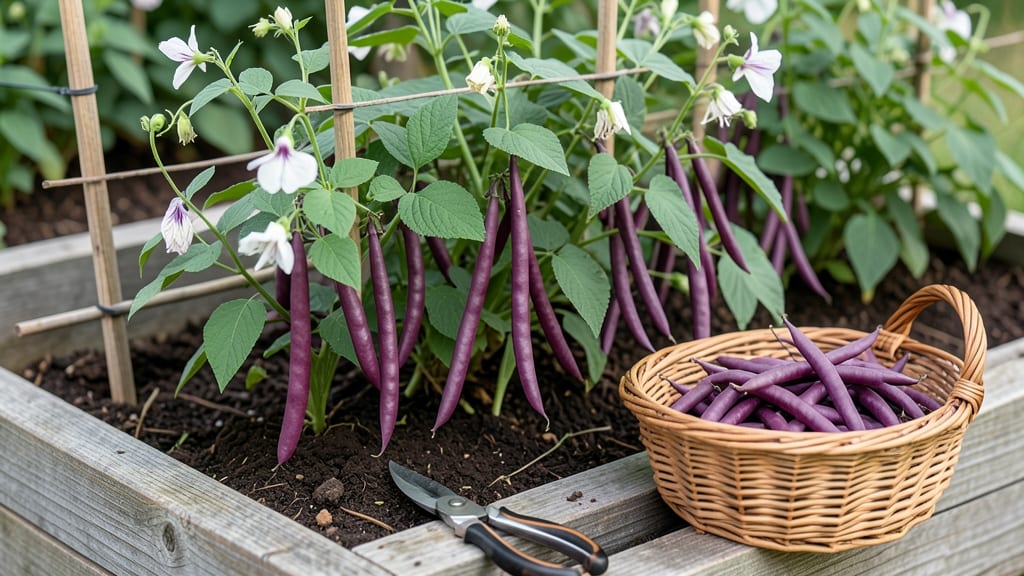
Purple green beans are called purple podded beans or purple dragon beans, with the most common variety being Tendriless Purple Podded or Dragon Tongue beans. Their vibrant hue fades to green when cooked, making them a unique heirloom choice for gardens.
These beans are scientifically classified as Phaseolus vulgaris, just like regular green beans, but their striking purple color comes from anthocyanins—powerful antioxidants that give them their signature look. 🌿 I've found that their flavor profile is slightly sweeter and more complex than green beans, with a tender-crisp texture that holds up beautifully when sautéed or roasted.
The name "purple dragon beans" actually refers to their dramatic appearance in the garden, where the pods resemble mythical creatures before they transform during cooking.
Gardeners often grow these heirloom varieties for their visual appeal as much as their culinary potential. The color change during cooking is one of their most fascinating traits—what starts as deep purple turns to bright green, making them a showstopper on any plate.
Plus, they're packed with nutrients like vitamin K and fiber, offering more than just a pretty presentation.
💡 In This Article
- Botanical and Culinary Classification of Purple Podded Beans
- Growing and Harvesting Purple Dragon Beans: Expert Tips
Botanical and culinary classification of purple podded beans
Purple podded beans belong to the same species as common green beans—Phaseolus vulgaris—but their striking color comes from anthocyanin pigments, which are also found in blueberries and red cabbage. These water-soluble compounds create the deep purple hue that distinguishes them from their green counterparts.
The anthocyanins not only give them their visual appeal but also contribute to their higher antioxidant content, with studies showing levels up to 30% greater than standard green beans.
The most popular varieties, like Tendriless Purple Podded and Dragon Tongue, were developed specifically for their vibrant appearance and flavor stability. When cooked, the anthocyanins break down, causing the pods to turn green—a process called "color fading" that happens at temperatures above 180°F.
This transformation makes them visually dramatic in dishes, especially when served alongside other colorful vegetables like red bell peppers or cherry tomatoes.
Flavor-wise, these beans have a slightly sweeter, earthier profile compared to standard green beans, with a texture that's tender-crisp when harvested young. The pods contain fewer fibrous strings than traditional varieties, making them more enjoyable to eat raw or lightly cooked.
Nutritionally, they're a powerhouse, offering 2.7g of fiber per 100g and significant amounts of vitamin K, which supports bone health.
One fascinating distinction is their genetic makeup. The purple color is a dominant trait, meaning only one parent needs to carry the gene for the offspring to inherit it. This makes them easier to cultivate for gardeners looking to introduce new colors to their harvest.
Unlike green beans, which often require staking, many purple varieties—like Dragon Tongue—are bush types, making them ideal for container gardening.
In culinary terms, purple podded beans work beautifully in both raw and cooked applications. Their color makes them perfect for salads where visual appeal matters, while their flavor holds up well in stir-fries and soups.
The key is to harvest them when pods are 4-5 inches long and still firm to the touch, ensuring the best balance of color and texture before cooking.
What sets them apart from other heirloom beans is their versatility. They can be used interchangeably with green beans in most recipes, but their unique appearance elevates dishes where presentation matters.
For example, a purple dragon bean salad with goat cheese and walnuts creates a stunning contrast that's as delicious as it is visually striking.