
Companion Plants
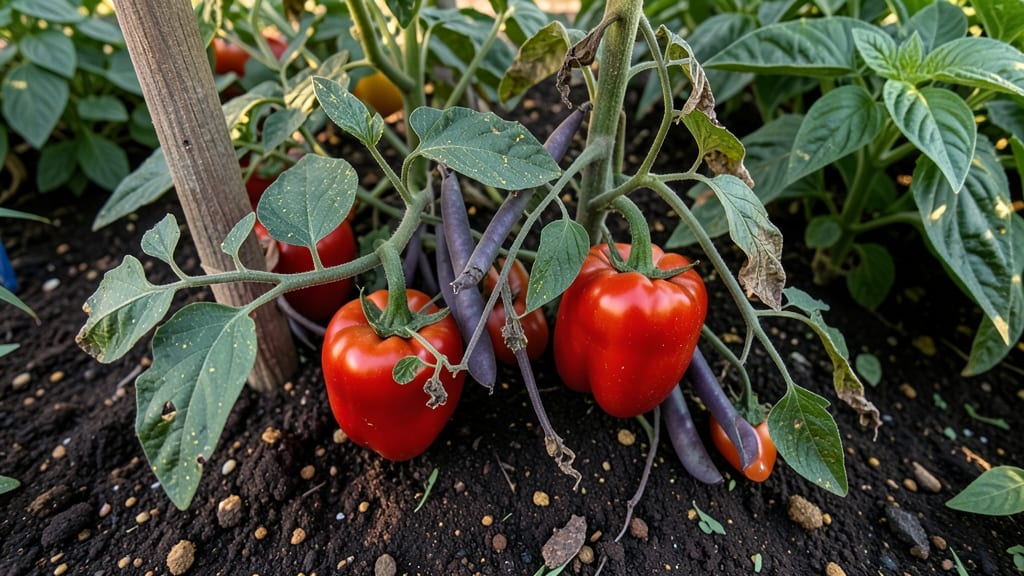
Beans are nitrogen-fixing powerhouses, but planting them near the wrong companions can sabotage their growth and yield. Avoid these ten plants that compete for nutrients, attract pests, or release harmful chemicals that stunt bean development—keeping your garden thriving instead.
Onions and Garlic Family
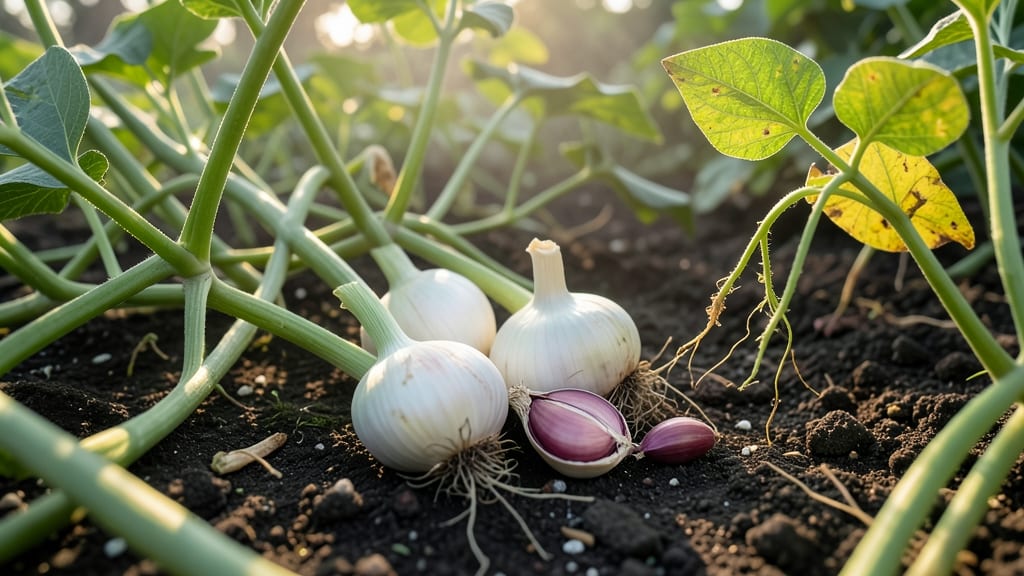
If you love the bold flavors of onions and garlic, think twice before planting them near your beans. These alliums release natural compounds called alk(en)yl cysteine sulfoxides that interfere with bean growth, leading to stunted plants and reduced yields. The chemical reaction isn’t just about competition—it actively inhibits root development and nutrient uptake.
Even a single onion or garlic bulb in the same bed can weaken bean plants by up to 30%, and the effects linger in the soil for months. For gardeners who rely on beans for nitrogen fixation, this means fewer pods and weaker vines. The good news? This isn’t a permanent ban—just a spatial one. Keep alliums at least 10 feet away from beans, or grow them in separate beds entirely.
This is especially critical for small gardens or container growers, where space is limited. Swap garlic for chives or leeks near your beans—they won’t release the same growth-inhibiting compounds. 🌱
Fennel Plants
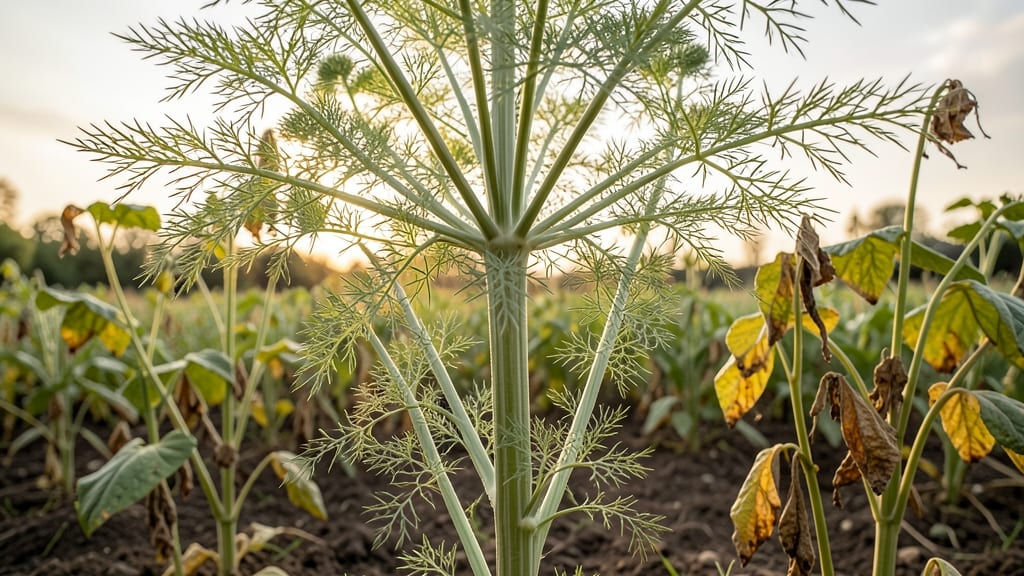
If your bean plants are struggling for no clear reason, fennel might be the culprit lurking nearby. This tall, feathery herb releases allelopathic chemicals that actively suppress bean growth, sometimes slashing yields by up to 50%—making it one of the most aggressive garden bullies.
The issue stems from fennel’s root secretions, which inhibit seed germination and stunt root development in nearby beans. Even if planted just a few feet away, its chemical warfare can weaken your beans’ ability to fix nitrogen, leaving them stunted and less productive. For best results, keep fennel at least 10 feet away from bean patches or grow them in completely separate beds.
This warning is especially critical for small-space gardeners or those practicing crop rotation—fennel’s impact is subtle but devastating. If you love both fennel and beans, consider growing them in separate seasons or dedicating distinct garden sections to each. 🌿
Sage Herb
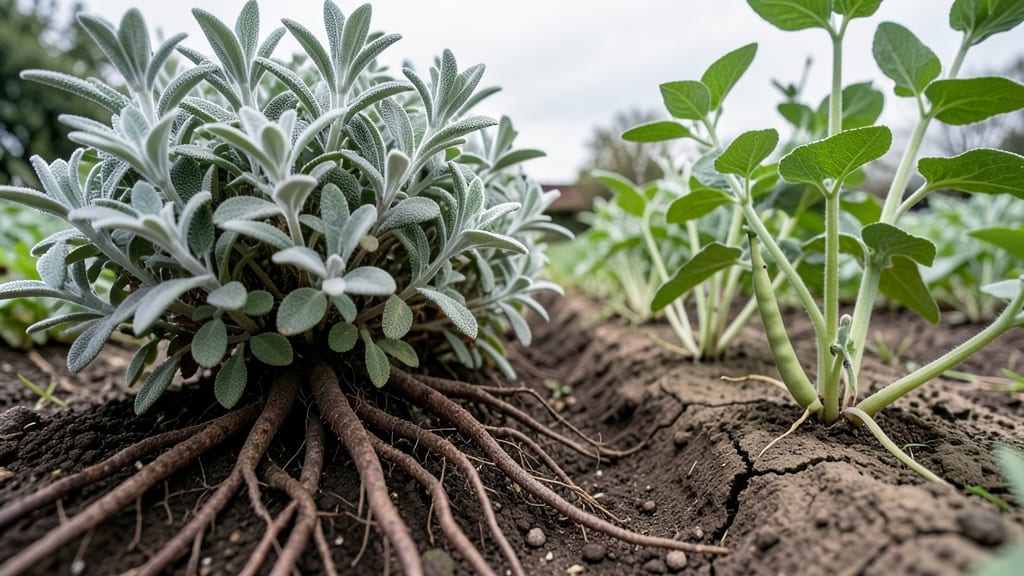
If you love the earthy aroma of sage herb in your kitchen, think twice before planting it near your beans. This hardy perennial isn’t just a flavorful herb—it’s a nutrient hog that can leave your beans struggling for survival.
Sage’s deep root system aggressively competes with beans for phosphorus and potassium, two critical nutrients beans need to produce abundant pods. Even worse, sage attracts pests like bean beetles and aphids, which will happily munch on your legume crops. The result? Stunted growth, fewer beans, and a garden bed that feels more like a battleground than a thriving ecosystem.
For gardeners who love both herbs and beans, this pairing is a recipe for disappointment. If you must grow sage nearby, keep it at least 3 feet away from your bean plants—or better yet, plant them in separate beds to protect your harvest. 🌿
Sunflowers
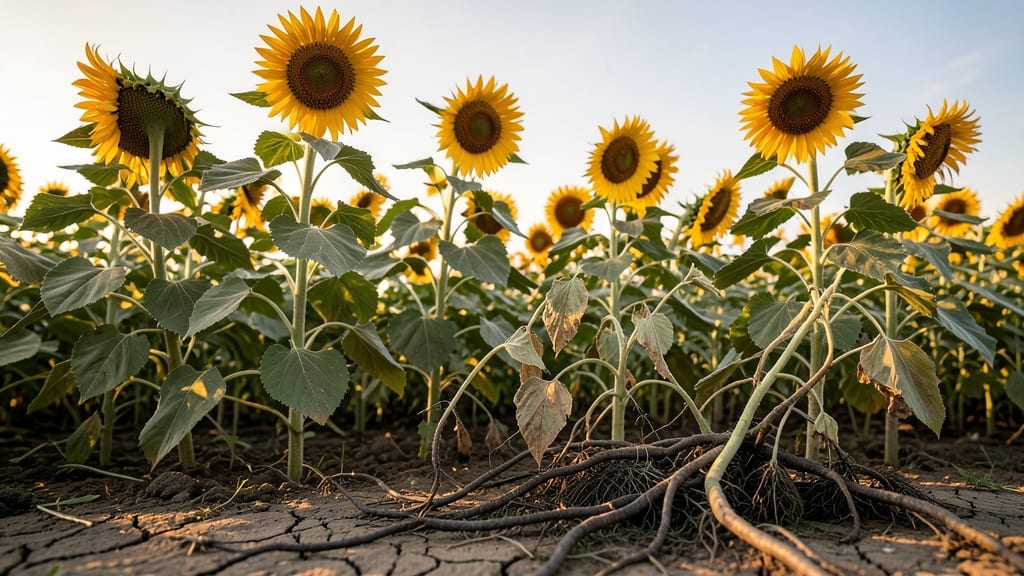
Those towering sunflowers might look stunning in your garden, but they’re secretly stealing from your beans. While they soak up sunlight, their deep roots aggressively pull nitrogen from the soil—beans’ favorite nutrient—leaving them weak and struggling to produce pods.
Sunflowers also create shade that stunts bean growth, and their rapid nutrient consumption can leave your soil depleted for months after they’re harvested. If you’re growing beans for a harvest, keep sunflowers at least 10 feet away or plant them in separate beds entirely.
This is especially important for small-space gardeners or those growing beans in containers, where nitrogen levels matter most. 🌻
Corn Plants
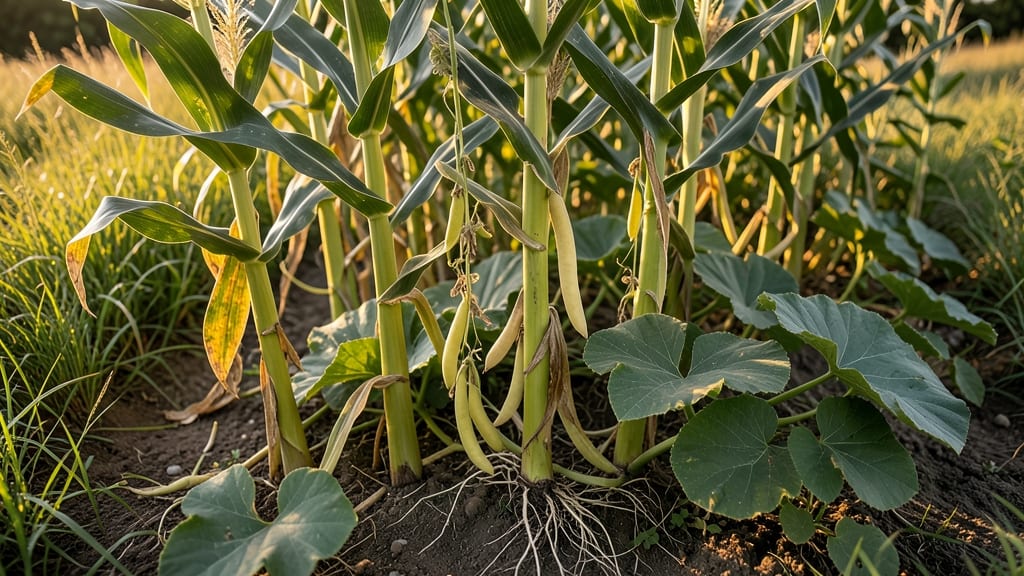
If you're dreaming of a three-sisters garden with corn, beans, and squash, think again—at least when it comes to small plots. While traditional Native American gardens pair these crops, corn plants actually steal nitrogen from beans, leaving them weak and more vulnerable to disease. This competition is especially problematic in tight spaces where beans can't access enough nutrients.
Corn is a heavy nitrogen feeder, absorbing up to three times more than beans need for optimal growth. When planted together, beans struggle to fix nitrogen in the soil, leading to pale leaves, stunted vines, and fewer pods. In small garden beds, this nutrient theft can create a vicious cycle where beans become stressed and more susceptible to fungal infections like rust or blight.
For gardeners with limited space, this dynamic means you'll need to separate corn and beans by at least 10 feet or plant them in different years. If you love both crops, consider growing corn in early spring and beans later in the season when soil nitrogen levels naturally recover. 🌱
Cabbage Family
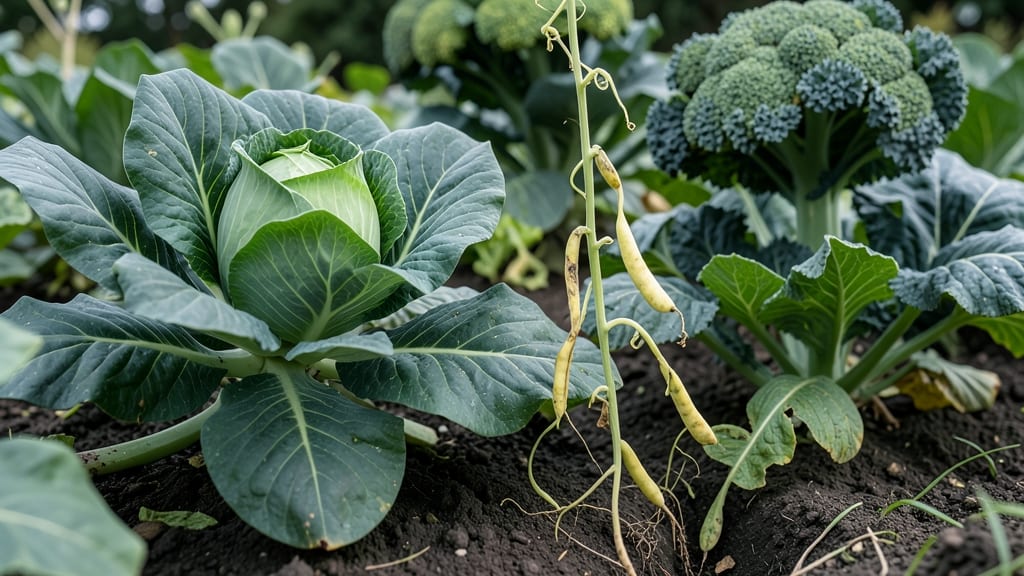
If your garden includes cabbage, broccoli, or kale, you might be unintentionally sabotaging your bean harvest. These leafy greens create a nutrient-hogging competition that leaves beans struggling to establish strong roots and produce pods.
The problem isn’t just space—cabbage family plants absorb the same nutrients beans need, like nitrogen and phosphorus, while their dense foliage blocks sunlight. This crowding forces beans to compete for resources, resulting in stunted growth and lower yields. Even if you rotate crops, residual competition can linger in the soil.
This is especially tricky for small gardens or raised beds, where space is limited. If you love both beans and brassicas, consider planting them in separate sections or using container gardening to keep them isolated. 🌱
Tomatoes
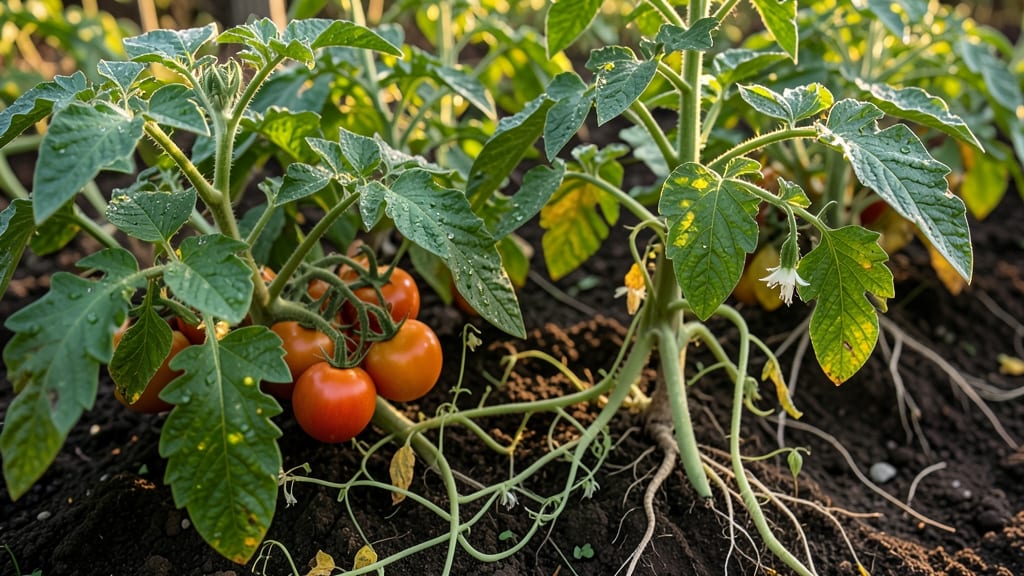
If your garden is packed with lush tomatoes, think twice before planting beans nearby. These two summer staples share more than just space—they also attract the same pests, like aphids, and compete fiercely for phosphorus, leaving beans weak and vulnerable to blight.
Tomatoes thrive in phosphorus-rich soil, but beans need it too, and when both are fighting for the same nutrients, beans often lose. The result? Stunted growth, fewer pods, and plants that struggle to recover even with extra fertilizer. This dynamic makes tomatoes one of the worst companions for beans in small gardens or containers.
For gardeners growing both crops, consider spacing them at least 10 feet apart or planting tomatoes in a separate bed. If you're a beginner, this simple swap can mean the difference between a thriving harvest and disappointment. 🌱
Walnut Trees
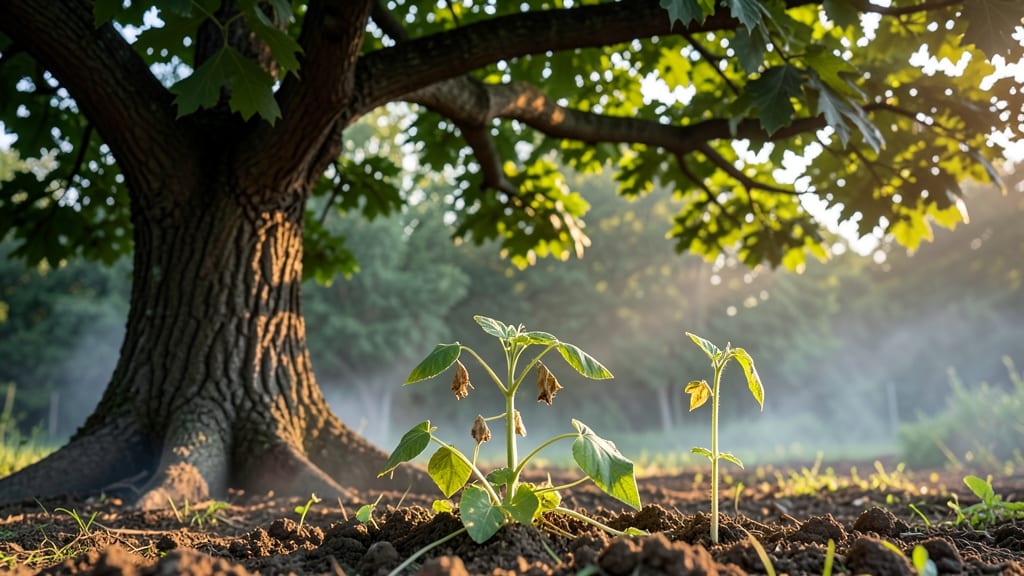
If your garden includes a walnut tree, you might already be sabotaging your bean harvest without realizing it. The tree’s roots release juglone, a natural toxin that can stunt bean growth or even kill young plants entirely if they’re planted within 80 feet of the tree.
This chemical is released year-round, making it a silent threat to beans, tomatoes, and other sensitive crops. The best defense? Plant beans in raised beds or containers far from walnut trees, or choose juglone-resistant varieties like black walnut trees if you’re designing a new garden layout.
Gardeners in established walnut orchards or suburban yards with mature trees should avoid planting beans nearby—this toxin doesn’t discriminate, and your hard work could go to waste. 🌱
Potatoes
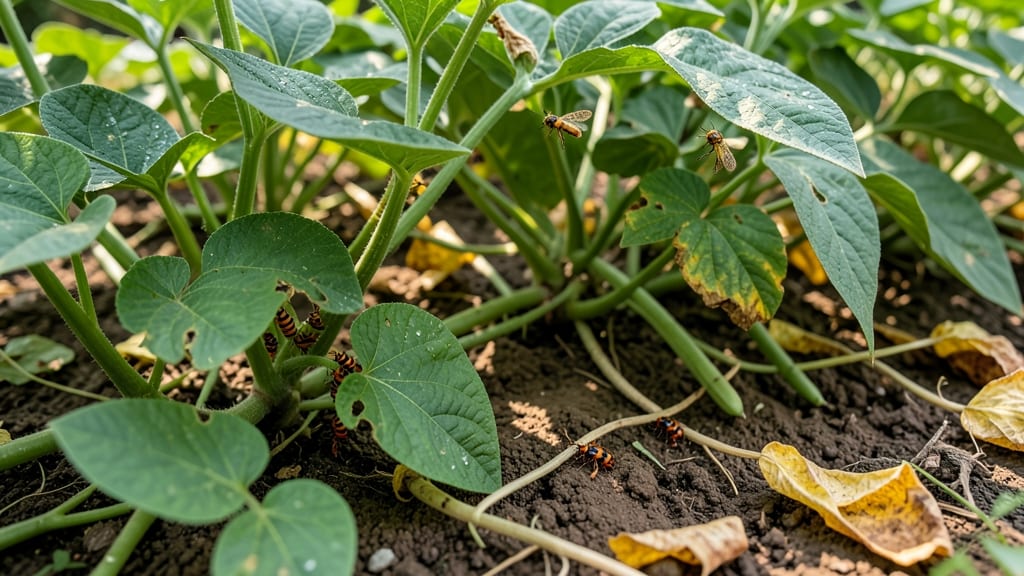
If you love growing both beans and potatoes, think twice before planting them side by side. The Colorado potato beetle, a voracious pest that devours potato foliage, also targets beans, creating a destructive cycle that weakens both crops. This shared pest attraction means your harvest could suffer from chewed leaves and stunted growth.
To break this cycle, space potatoes at least 10 feet away from your bean patch or grow them in separate beds. If you're dealing with an existing infestation, handpick beetles early in the morning when they’re sluggish and drop them in soapy water. Row covers can also protect young plants until they’re established.
This is especially important for home gardeners with limited space—prioritizing separation saves time and effort in pest management. 🌱
Pepper Plants

If you love growing both peppers and beans, think twice before planting them side by side. While they share similar soil preferences—like well-draining, nutrient-rich beds—they also attract the same fungal diseases, creating a dangerous cycle that weakens both crops.
Peppers and beans both thrive in warm climates and prefer slightly acidic to neutral soil, but their shared vulnerabilities make them poor neighbors. Powdery mildew and root rot can spread rapidly between the two, leading to yellowing leaves, stunted growth, and fewer harvests. Even if you rotate crops, the lingering spores in the soil can persist for years.
This pairing is especially risky for beginners or small-space gardeners who may not notice the subtle signs of disease until it’s too late. If you’re set on growing both, keep them at least 10 feet apart or in separate raised beds to break the disease cycle. 💚