
Plants
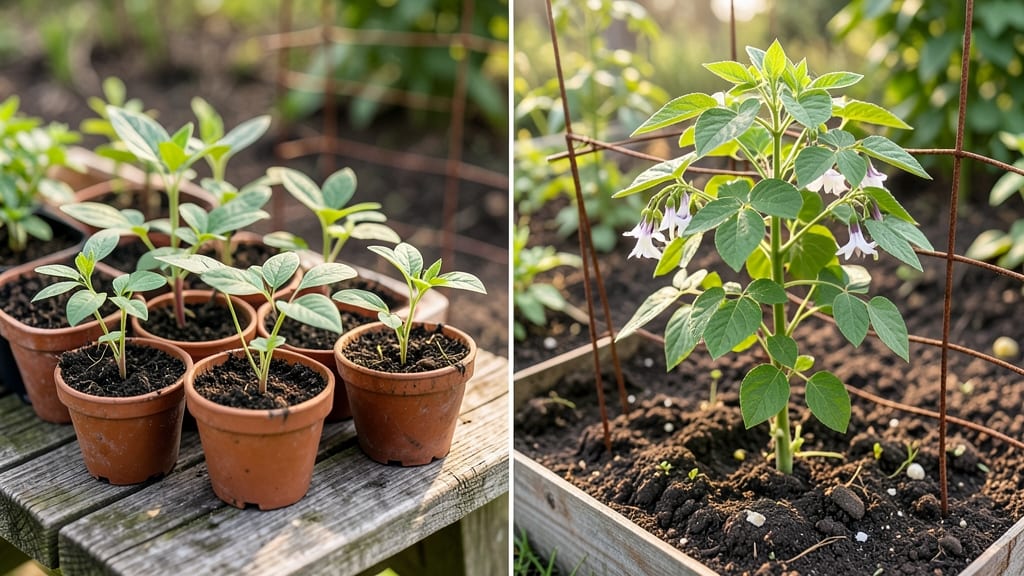
Planting green beans in Missouri at the right time ensures fast germination and a harvest before the heat sets in—aim for soil temperatures of at least 60°F after your last frost.
Missouri’s unpredictable spring weather can turn green bean planting into a guessing game—but timing is everything for fast germination and a bountiful harvest. Get the exact soil temperature triggers and planting windows to maximize your yield this season.
In USDA zones 5b-6b, your best window is April 15 to June 1 for spring plantings, with a second chance in July 15 to August 15 for summer varieties. Waiting too long risks stunted growth or beans that toughen before harvest.
I’ll walk you through how to test soil warmth, adjust for Missouri’s microclimates, and choose varieties that thrive in our heat and humidity—so you can go from seed to pod in just 50 days.
Missouri green bean planting calendar: exact soil temperature triggers for germination
Missouri gardeners know timing is everything when planting green beans, especially with our unpredictable spring weather. The key to fast germination lies in soil temperature—seeds won’t sprout until the ground warms to at least 50°F, but ideal conditions kick in at 60°F+.
Waiting for these triggers ensures your beans emerge quickly and grow strong before summer heat arrives.
Missouri’s USDA zones 5b-6b create microclimates where frost dates vary by 1-2 weeks between cities like Kansas City and St. Louis. Rural areas often experience earlier last frosts than urban zones due to heat island effects.
This means your planting window could shift from mid-April in southern Missouri to late April in northern regions.
Here’s the critical rule: Plant green beans when soil reaches 60°F—not air temperature. A soil thermometer is your best tool, but you can also use the back-of-the-hand test: if the soil feels warm (like a hot cup of tea), it’s ready.
Early planting risks frost damage, while late planting may lead to bolting before harvest.
For spring planting, aim to sow seeds 1-2 weeks after your last frost date. In Missouri, this typically falls between mid-April and early May, depending on your location. If you plant too early and a late frost hits, your young seedlings may not recover.
Conversely, planting too late risks bolting—when plants flower and set seed prematurely, reducing pod quality.
Don’t overlook summer planting for a second harvest! After the first frost threat passes (usually by mid-July), sow another round of heat-tolerant varieties like 'Blue Lake' or 'Contender'. These beans thrive in 70°F+ soil and can produce pods until early October before the first frost.
Use black plastic mulch to warm soil faster in spring, shaving 1-2 weeks off your planting timeline. This trick is especially useful in northern Missouri, where cooler soils delay germination. Just remove the mulch once plants emerge to prevent overheating.
Missouri’s clay-heavy soils can slow warming, so amend beds with compost or aged manure before planting. This improves drainage and helps soil reach optimal temperatures faster. Test your soil’s moisture too—dry soil warms faster than soggy ground, so avoid
How to prepare Missouri soil for green bean success: pH, drainage, and pre-planting tips
Missouri’s clay-heavy soils and variable rainfall can stifle green bean growth if not properly amended. The key to success lies in creating well-draining, nutrient-rich beds with the right pH balance—typically between 6.0 and 7.0.
Without these conditions, your beans may struggle with poor germination or stunted growth, even if planted at the perfect time.
Start by testing your soil’s pH level using a simple kit from your local garden center. Missouri soils often lean acidic or alkaline, and green beans prefer a neutral environment.
If your soil tests outside the ideal range, you’ll need to adjust it with lime (to raise pH) or sulfur (to lower pH). This step alone can double your yield by ensuring roots access essential nutrients like phosphorus and nitrogen.
⚠️ callout warning ⚠️
⚠️ Missouri Gardeners’ #1 Mistake
Skipping soil prep in clay-heavy areas leads to waterlogged roots and poor oxygen flow. Many Missouri gardeners assume their soil is "good enough" until their beans rot in the ground or fail to sprout. Test and amend before planting!
Next, focus on improving drainage, especially if your garden sits in a low-lying area prone to pooling water. Missouri’s clay soils can become compacted, trapping moisture and suffocating roots. To fix this, mix in 2-3 inches of compost or well-rotted manure into the top 12 inches of soil.
For heavier clay, consider adding coarse sand or perlite to create air pockets and encourage root penetration.
For nutrient-rich beds, incorporate a balanced organic fertilizer like 10-10-10 or composted chicken manure. Work it into the soil 2-3 weeks before planting to give beneficial microbes time to break it down.
Green beans are light feeders, so avoid over-fertilizing with nitrogen, which can lead to leafy growth at the expense of pods. Instead, prioritize phosphorus and potassium for strong roots and disease resistance.
Before planting, loosen the soil to a depth of 12-18 inches using a broadfork or tiller. This helps roots establish quickly and reduces compaction. If your garden is new, consider building raised beds filled with a mix of topsoil, compost, and peat moss.
Raised beds warm up faster in spring and provide better control over drainage and soil quality—ideal for Missouri’s unpredictable weather.
Finally, mulch around your green bean plants with straw or shredded leaves once they’re established. Mulch helps retain moisture, suppress weeds, and keep soil temperatures stable. In Missouri’s hot summers, mulch also prevents soil from drying out too quickly, ensuring consistent growth.
With these steps, your green beans will thrive in even the heaviest Missouri clay.