
Vegetables
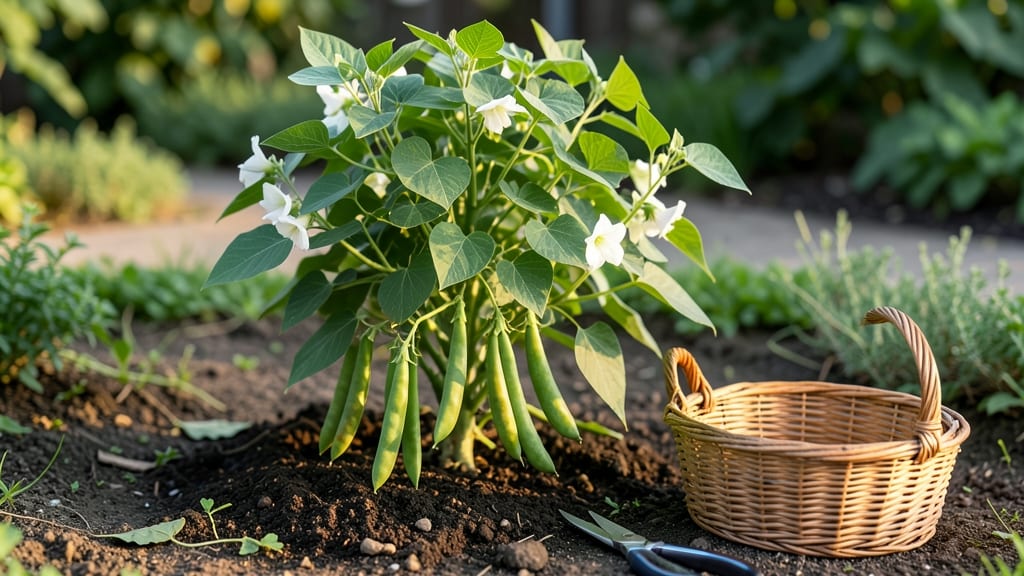
Harvesting green beans at the right time ensures crisp, flavorful pods 🌱—but most gardeners miss the best window by days, if not weeks.
Picture this: you’ve nurtured your green beans all season, only to pick them too late and end up with stringy, tough beans that taste like nothing. Or worse, you harvest too early and sacrifice yield.
The difference between a perfect crunch and a sad, limp pod comes down to timing, size, and a simple test you can do in 10 seconds.
In this guide, I’ll walk you through the exact pod size, color cues, and snap test to know when your green beans are ready—plus how often to check them for maximum flavor and productivity. No guesswork, just proven tips to keep your harvest fresh all season.
You’ll also learn what happens if you wait too long (spoiler: your plants will quit producing), how to store harvested beans, and the best time of day to pick for the crispest results. Let’s get those beans at their peak!


The perfect green bean harvest: crunch test & pod size guide
Harvesting green beans at the right moment transforms your garden into a flavor factory. The difference between crisp, sweet pods and tough, mealy beans often comes down to two simple checks: pod size and the famous snap test.
I’ve learned the hard way—overripe beans turn rubbery and lose their snap, while underripe ones taste bland. Let’s fix that together.
Most gardeners focus on pod length, but the real secret lies in seed development and stem texture. A 4-6 inch pod is ideal, but that’s just the starting point. The crunch test reveals whether your beans are truly ready—or still maturing. Here’s how to nail it every time.
Visual cues are your first clue. Look for bright green pods with small, barely visible seeds inside. If you can see the seeds clearly through the pod, it’s past its prime. Color shifts from vibrant green to dull or yellowing signal overripeness. These small details make all the difference.
Now, let’s talk about the snap test, my go-to method for perfect timing. Hold a pod between your thumb and forefinger, about 1 inch from the stem, and gently bend it.
If it snaps cleanly with a satisfying crack, it’s ready to pick. No snap? Keep waiting. A soft or rubbery feel means it’s overripe and past its best.
Common mistakes happen when gardeners ignore seed development or rely only on pod length. For example, pole beans often mature slower than bush beans, so don’t rush the harvest.
I once picked a batch of pole beans at 5 inches because they looked ready—only to find they were still too tough to enjoy. Always double-check with the snap test!
Morning harvests are ideal because pods are crispest after a night’s rest. Avoid picking in the heat of the day, as beans can wilt and lose their snap.
If you’re harvesting for storage, pick every 2-3 days to encourage continuous production. Neglecting this leads to overcrowded plants and reduced yield.
Color changes are another critical signal. A bright green pod with a slight purplish tint at the seam is perfect. If the pod turns yellow or brown, it’s past its prime.
I’ve seen gardeners wait too long, thinking beans would “get sweeter”—they actually become starchy and unappetizing. Trust the color cues!
For bush beans, harvest when 70-80% of pods reach ideal size, as they all mature quickly. Pole beans, on the other hand, produce over a longer season, so check every 3-4 days.
Pro tip: Use a small pruning shears to avoid damaging the plant. A clean cut encourages new pod growth and keeps the plant healthy.
Finally, don’t forget to rotate your harvests. Pick from the outer edges first, then move inward. This prevents shading issues and ensures even maturity. I’ve found that consistent harvesting not only improves flavor but also extends the plant’s productive life by up to 2-3 weeks.
It’s a small effort with big rewards!
Mastering the crunch test and pod size guide turns green bean harvesting from guesswork into a science. With these tips, you’ll enjoy crisp, sweet beans straight from your garden all season long. Happy harvesting! 🌱
How often to check green beans & best harvesting times
Green beans thrive on consistent attention, and checking them every 2-3 days keeps your plants productive. Bush beans (compact varieties) produce all at once, while pole beans (vining types) yield continuously. I check mine daily during peak season (July-August) to avoid missing the perfect harvest window.
Morning harvests are ideal because cool temperatures preserve crispness and dew hasn't settled on the pods. If you're short on time, late afternoon works too—just avoid harvesting after sunset, when humidity can make pods soggy. I always carry a small basket to prevent bruising those tender stems.
🌱
- Bush Beans: Harvest every 2-3 days for 2-3 weeks after flowering. These produce all at once, so don't wait too long—overripe pods turn woody fast!
- Pole Beans: Check daily for 6-8 weeks. They produce continuously, so consistent picking encourages more flowers and pods. Use a trellis to spot hidden beans!
- Peak Season (July-August): Harvest 2-3 times per week in hot climates. Heat speeds up growth, so don't let pods bulge—this signals overripeness.
- Cool Climates (Zones 3-5): Harvest once every 4-5 days in early season. Cold slows growth, so patience is key—pods may take longer to reach ideal size.
- Late Season (September-October): Reduce checks to every 3-4 days. Plants slow down as temps drop, but keep harvesting to avoid stressing them before frost.
Consistent harvesting isn't just about flavor—it's about plant health. When you pick beans regularly, your plants redirect energy to producing more flowers and pods. I've seen pole beans double their yield just by harvesting every other day during peak season.
Skip this step, and you'll end up with fewer, tougher beans.
If you're growing multiple varieties, prioritize pole beans first—they produce faster and need more frequent attention. I always start with the tallest plants, working my way down to the shorter bush varieties.
A sharp pair of scissors or pruners makes quick work of harvesting, and it reduces damage to the plant compared to pulling pods by hand.
🌿