
Picking
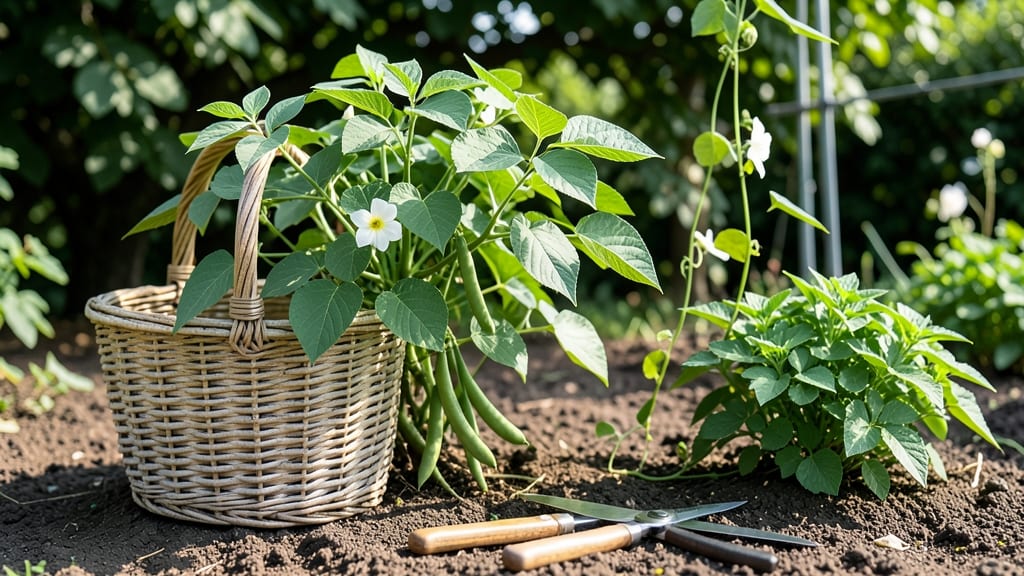
To pick green beans at their peak flavor, look for pods that are 4-6 inches long and snap crisply when bent—this is the sweet spot between too young and overripe.
Green beans are at their peak flavor and texture when picked at the right moment—but knowing exactly when to harvest can be tricky, especially for first-time gardeners. Miss the window, and you risk tough, woody pods or lost yield.
Most gardeners wait too long, letting the beans swell with seeds and turn stringy. The secret is to check your plants every 2-3 days in late summer, when pods grow fastest. A quick glance at size and firmness tells you everything you need to know.
In this guide, I’ll walk you through the 3 key signs your green beans are ready, how often to harvest for maximum yield, and the one mistake that kills flavor faster than anything else.


3 Clear visual signs your green beans are ready for harvest
Knowing exactly when to harvest green beans can transform your garden from a mediocre yield to a flavor-packed bounty. The difference between tender, sweet pods and tough, stringy beans often comes down to three key visual cues most gardeners overlook.
I’ve learned this the hard way—skipping the harvest window once led to a woody mess that even boiling couldn’t salvage. Let’s break down what to watch for so you never miss peak harvest time again.
Green beans reach their sweetest flavor and crispest texture when harvested at the right stage. Waiting too long turns them fibrous and bitter, while picking too early means small, underdeveloped pods.
The secret lies in observing pod size, seed development, and pod firmness. These three signs work together like a checklist—ignore any one, and you risk compromising your harvest’s quality.
- 1 Pod Length: 4–6 inches long (varies slightly by variety)
- 2 Seed Visibility: Small seeds show through pod skin but aren’t bulging
- 3 Pod Firmness: Snaps cleanly when bent (no resistance or softness)
Let’s start with pod length, the most obvious sign. Most green bean varieties hit peak harvest when pods measure 4–6 inches long.
For example, Blue Lake beans (a popular bush variety) are ready when they’re about 5 inches, while Kentucky Wonder pole beans can stretch to 6–7 inches before they toughen.
I measure mine with my thumb—if the pod spans from my thumb base to the first knuckle, it’s usually perfect. Overlooking this can mean harvesting beans that are either too small and starchy or too large and woody.
Next, pay close attention to seed development. At the ideal harvest stage, you’ll see tiny seeds through the pod’s skin, but they shouldn’t be bulging or hard. If the seeds are hard to the touch, the beans have passed their prime.
I once waited too long and ended up with pods where the seeds felt like pebbles—a sure sign of over-maturity. This is especially critical for dry bean varieties, which are harvested later when seeds fully mature.
For green beans, though, visible but soft seeds mean it’s time to pick.
Don’t skip checking pod firmness, the final clue. A ready-to-harvest green bean should snap easily when you gently bend it—think of the satisfying crisp break of a fresh carrot. If the pod resists or feels rubbery, it’s past its prime.
Soft pods, on the other hand, are underripe and lack flavor. To test, pick a few pods and give them a light bend. If they don’t snap, wait another day or two. This simple trick saved my Roma beans last summer after I almost harvested them too early.
One common mistake I see (and made myself) is relying solely on color. While most green beans turn a vibrant green or deep purple at harvest time, color alone isn’t enough.
For example, Blue Lake beans stay pale green until fully mature, while Dragon Tongue beans develop a deep maroon stripe—but both need the other two cues to confirm readiness. Always combine size, seed visibility, and firmness for the best results.
Skipping any of these checks can lead to disappointing texture or wasted effort.
Another pitfall is harvesting at the wrong time of day. Green beans are most tender in the morning after dew has dried but before the heat of the day sets in. I’ve found that picking in the late afternoon can leave beans slightly softer and more watery.
For the best flavor, grab your harvest basket within an hour of sunrise. This small habit makes a noticeable difference in texture and sweetness. Pro tip: Use sharp scissors or pruners to avoid damaging the plant—this encourages even more production.
Finally, remember that frequency matters. Green beans produce continuously, so checking your plants every 2–3 days keeps them productive. I’ve seen gardens where beans go from plentiful harvests to sudden silence because the gardener stopped picking.
The plant thinks, “Oh no, the beans aren’t being eaten!” and stops producing. To avoid this, make harvesting a regular habit. Even if you don’t use all the beans immediately, freezing or blanching extras preserves their quality for later.
Mastering these three visual signs will turn your green bean harvest from hit-or-miss to consistently delicious. Next time you’re in your garden, take a moment to examine the pods closely.
The difference between a tough, stringy bean and a crisp, sweet one often comes down to these simple checks. Happy harvesting—your future salads (and freezer stash) will thank you! 🌱
Best harvesting practices to maximize yield and quality
Harvesting green beans at the right time isn't just about flavor—it's about encouraging your plants to produce more pods. When you pick consistently, your green beans will reward you with a steady harvest all season long.
The key is combining the right timing, technique, and frequency to keep your plants happy and productive.
Start by harvesting every 2-3 days once your plants reach maturity. This frequent picking prevents pods from becoming overmature and woody, which can reduce yield. I've found that plants harvested regularly can produce 30-50% more than those left to mature on the vine.
Plus, the flavor difference is night and day—freshly picked beans taste sweeter and more tender.
When it comes to tools, your hands are often the best choice for harvesting green beans. The gentle grip lets you feel the pod's firmness and identify the perfect moment. However, for larger harvests or when dealing with pole beans, a pair of sharp pruning shears can save time.
Always cut just above a leaf node to avoid damaging the plant.
After harvesting, handle your beans with care to preserve their freshness. Store them in the refrigerator in a ventilated container or paper towel-lined bag. This prevents moisture buildup, which can cause spoilage.
I like to use perforated plastic bags with a damp paper towel inside—they stay crisp for up to 5-7 days this way.
⚠️ Warning: Over-Mature Pods
Leaving green beans on the vine too long turns them woody and tough. Look for these signs of over-maturity:
- Pods >6 inches with bulging seeds
- Dull, yellowing color instead of vibrant green
- Thick, leathery texture that doesn't snap easily
For bush beans, focus on harvesting from the bottom of the plant upward. This ensures you don't miss any hidden pods while giving the plant room to grow new ones.
With pole beans, work your way up the trellis, always harvesting the oldest pods first. This encourages continuous flowering and pod production throughout the season.
Don't forget that green beans thrive on attention! After each harvest, give your plants a light watering and a quick check for pests. I've noticed that plants harvested in the morning tend to produce better the next day—likely because they have the whole day to recover.
Consistency is key, so aim to harvest at the same time each day if possible.
With these practices, you'll enjoy a bountiful harvest of tender, flavorful green beans all season. The more you pick, the more your plants will produce—it's like a gardening feedback loop!
And remember, every time you harvest, you're not just getting fresh beans; you're encouraging your plants to keep growing and giving you more to enjoy.