
Plants
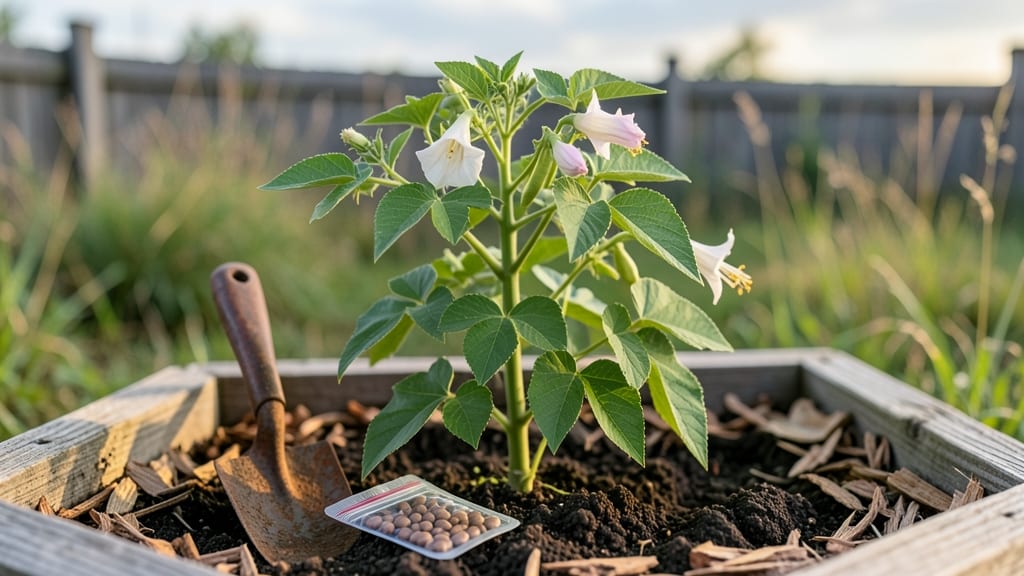
Planting beans in Indiana at the right time means the difference between a bountiful harvest and wasted effort — aim for after the last frost, when soil hits 50-60°F.
Indiana gardeners know timing is everything — plant too early and frost will strike, too late and your harvest will suffer. Whether you’re in Zone 6a or a warmer pocket of the state, getting this window right is the key to 60-day pods instead of stunted plants.
Most gardeners start between April 15 and June 1, but fall planting (August 1-September 1) works too. The trick? Wait until soil warms and keep an eye on those last-frost dates, which can vary by 10 days from north to south.
Below, I break down the exact frost-free timeline, soil temp checks, and how to adjust for Indiana’s microclimates — so you can plant with confidence and skip the guesswork.
Indiana bean planting calendar: frost dates & soil temperature guide
Indiana’s frost dates and soil temperatures are critical for successful bean planting. Beans thrive in 50-60°F soil and can’t tolerate frost, so timing your spring and fall plantings is essential. Northern Indiana’s last frost typically hits April 15-30, while Southern Indiana sees frost-free conditions by April 1-15.
Let’s break down the perfect planting windows for bush and pole beans across the state.
Beans are warm-season crops that need consistent warmth to germinate and grow. If you plant too early, frost will kill seedlings, but planting too late reduces your harvest window. The key is to wait until the soil temperature reaches at least 50°F and stays above 60°F for optimal growth.
In Indiana, this usually aligns with late April to early June for spring plantings and August to early September for fall plantings.
For Northern Indiana, start planting bush beans after May 1 to avoid late frosts. Pole beans, which take longer to mature, should go in by June 1 to ensure a full harvest before fall.
In Central Indiana, you can begin as early as April 20, but wait until soil warms to 60°F for faster germination. Southern Indiana’s milder climate lets you plant as early as April 1, but avoid rushing—beans grow best when soil is consistently warm.
If you’re growing pole beans, which require trellises and take longer to produce, plant them 2-3 weeks earlier than bush beans.
This gives them extra time to establish vines before the heat of summer. Bush beans, which mature faster (50-60 days), can be planted in successive batches every 2 weeks for a continuous harvest. This staggered approach works well in all regions of Indiana.
Don’t forget about fall planting! In Northern Indiana, aim for August 15 to give beans time to mature before the first frost (usually October 15). Southern Indiana’s longer growing season allows for late July or early August plantings.
Fall beans often produce sweeter pods, as cooler temperatures reduce bitterness. Just ensure you plant 60-70 days before the first frost to avoid losing your crop.
To check if your soil is ready, use a soil thermometer or press your hand into the ground. If it feels warm and crumbly, it’s time to plant.
If the soil is cold or muddy, wait a few more days. Amending your soil with compost before planting also helps retain warmth and moisture, which beans love. Aim for a pH of 6.0-7.0—beans prefer slightly acidic to neutral soil.
Pro tip: Use black plastic mulch to warm the soil faster in early spring. This trick can shave 1-2 weeks off your planting timeline, especially in Northern Indiana. Just remove the mulch once plants are established to prevent overheating.
For container gardening, use large pots (at least 12 inches deep) and plant after the last frost date, as containers warm up faster than garden beds.
If you’re in doubt about your local frost dates, check the Indiana State Climate Office or use a frost date calculator. These tools provide hyper-localized data based on your ZIP code, helping you fine-tune your planting schedule.
Remember, beans are sensitive to cold, so never plant them before the soil is warm enough—even if the air feels spring-like.
With the right timing, you’ll enjoy a bountiful bean harvest from June through September. Whether you’re growing heirloom varieties or classic green beans, Indiana’s climate rewards patient gardeners who respect the frost-free window. Happy planting! 🌱
How to adjust your planting schedule for Indiana’s microclimates
Indiana’s diverse landscapes—from urban heat islands to rural valleys—create microclimates that can shift your bean planting window by weeks. Urban areas often warm up faster than rural zones, while low-lying spots may linger cold longer.
Understanding these variations helps you extend your growing season and protect tender seedlings from unexpected frost.
Start by observing your yard’s unique conditions. South-facing slopes warm up earlier, while shady spots near buildings can delay soil warming. Use a soil thermometer to confirm when temperatures hit the 50-60°F range—critical for bean germination.
In Northern Indiana, this might mean waiting until mid-May, while Southern Indiana gardeners can plant as early as mid-April.
⚠️ CALLOUT WARNING ⚠️
For urban gardeners, container planting offers flexibility. Use black plastic pots (absorbs heat) or heat-retaining fabric grow bags to warm soil faster. Place containers on south-facing patios or rooftop gardens where they’ll benefit from reflected sunlight.
In rural areas, focus on microclimate pockets like sheltered valleys or near large trees—these can delay frost by 3-5 days compared to open fields.
Extend your season with fall planting (August-September) for a second harvest. Choose early-maturing varieties (50-60 days) like Blue Lake or Kentucky Wonder to ensure pods mature before the first frost.
Monitor weather forecasts for early frost warnings—signs include ground fog, crisp morning air, or animals acting unusually (like birds flocking together). Act fast: Cover plants with frost cloth or move containers indoors if possible.
Adjust your watering schedule based on microclimates too. Urban areas may dry out faster due to concrete heat absorption, while rural gardens might stay damp longer. Aim for 1-2 inches of water weekly, delivered in the morning to reduce evaporation.
Mulch with straw or grass clippings to stabilize soil temps and retain moisture—critical for beans’ shallow root systems.
Pro tip: Plant a test row of fast-growing radishes or lettuce 2 weeks before your target bean date. If they thrive, your beans are ready to go! For pole beans, use trellises near south walls to maximize warmth.
With these adjustments, you’ll turn Indiana’s microclimates into advantages for a longer, more productive bean harvest. 🌱