
Plants
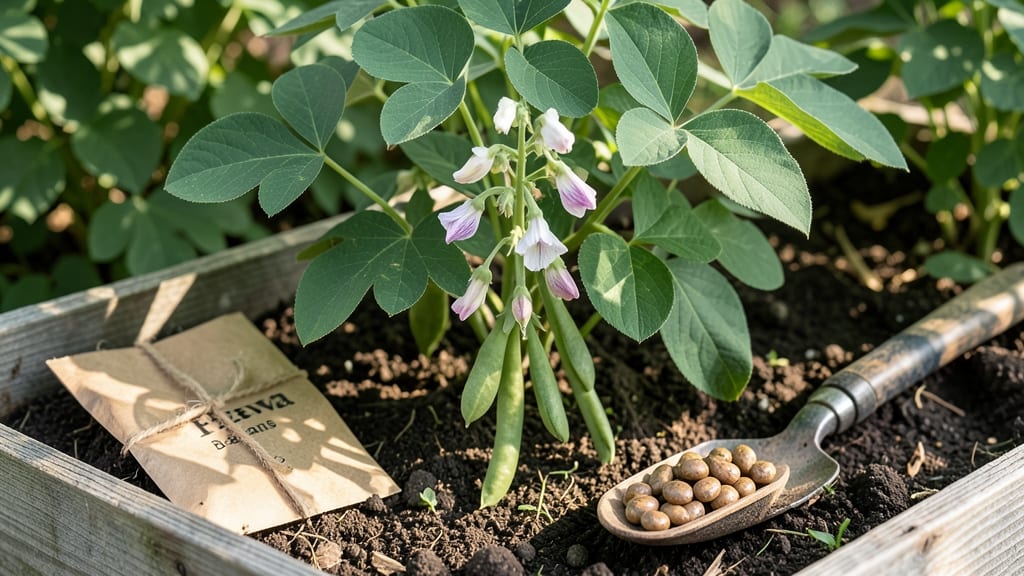
Plant fava beans in Zone 9 between October and December to beat the summer heat and harvest tender pods by spring.
Picture this: you’re sipping coffee in Southern California or Phoenix, watching your fava bean plants 🌱 thrive in cool winter soil while most gardens lie dormant.
That’s the magic of timing—plant too early, and the heat zaps your crop; too late, and you miss the sweet spot for winter growth.
Zone 9’s mild winters are perfect for fava beans, but the key is avoiding summer’s scorching temperatures. We’ll break down the exact planting window, soil prep tricks, and how to protect your beans from unexpected heat spikes or dry spells.
By the end, you’ll know exactly when to plant for a bumper crop, plus how to choose the right variety and prep your soil for success—no guesswork, just a reliable winter harvest.
Optimal planting windows for fava beans in Zone 9
Zone 9 gardeners have a unique advantage with fava beans—their mild winters create perfect conditions for winter harvests. Unlike northern climates, you won’t face frost risks, but heat stress in summer makes timing critical.
The ideal window spans October through December, when soil temperatures stay between 50–70°F, allowing roots to establish before winter’s cooler months.
Fava beans are cool-season crops that thrive in temperatures below 75°F. Planting in late summer (late August) risks exposing young plants to Zone 9’s lingering heat, stunting growth. Conversely, waiting until January delays harvests until late spring, missing the peak February–April window when pods mature fastest.
Here’s the key: align planting with soil temperature and microclimate. Coastal areas like San Diego can plant slightly earlier (late September), while inland cities like Phoenix should wait until November to avoid residual summer heat.
| Planting Window | Ideal Soil Temp (°F) | Microclimate Notes | Harvest Window |
|---|---|---|---|
| Late September–October | 50–65°F | Coastal Zone 9 (e.g., LA, San Diego) | January–March |
| October–November | 55–70°F | Inland Zone 9 (e.g., Phoenix, Riverside) | February–April |
| December–January | 45–60°F | High desert (e.g., Palm Springs) | March–May |
| Avoid Summer Planting | Above 75°F | Risk of bolting and poor yield | N/A |
Zone 9’s microclimates play a huge role. For example, coastal areas benefit from ocean breezes that moderate temperatures, while inland valleys can experience sudden heat spikes. Use shade cloth in summer if planting early, or opt for partial shade locations (e.g., near fences or trees) to protect young seedlings.
Spring planting is possible but risky in Zone 9. If you attempt it, sow seeds in January–February for a late-spring harvest, but expect shorter plants and smaller yields due to heat stress by summer. Most gardeners prioritize the fall window for reliable results.
Soil temperature is your best guide. Use a soil thermometer to confirm readings between 50–70°F before planting. If temperatures dip below 40°F, growth slows dramatically, delaying harvests. In high-desert areas, aim for December plantings to avoid early cold snaps.
Pro tip: Succession planting works well in Zone 9. Sow a second batch in late January for a staggered harvest through April. This extends your harvest window and ensures a steady supply of fresh fava bean pods.
Remember, fava beans are frost-tender but thrive in Zone 9’s mild winters. The goal is to establish roots before temperatures drop below 45°F, ensuring robust growth for spring harvests. With the right timing, you’ll enjoy a bountiful crop without the stress of summer heat.
Start your seeds indoors 4–6 weeks before your target outdoor planting date to give them a head start. Harden off seedlings for 1 week before transplanting to avoid shock. This is especially critical in hotter inland zones where temperature swings are more extreme.
🌱
Step-by-step fall planting guide for Zone 9 gardeners
Fall is the perfect time to plant fava beans in Zone 9, where winter temperatures create ideal growing conditions. Unlike heat-sensitive summer crops, fava beans thrive in cool weather, producing sweet pods when most gardens are dormant.
The key is planting between mid-October and December—early enough for roots to establish before winter, but late enough to avoid summer heat stress.
For Zone 9 gardeners, variety selection matters. ‘Early Golden’ matures quickly (60-70 days) and handles mild winters well, while ‘Aquadulce’ (broad bean) offers larger pods but needs slightly cooler conditions. Both perform best in well-draining soil with a pH of 6.0-7.0, so test your soil before planting.
Step-by-Step Fall Planting Guide
- Step 1: Prepare the Soil
- Loosen soil 12 inches deep to improve drainage.
- Mix in 2-3 inches of compost for nutrients.
- Ensure soil is moist but not soggy before planting.
- Step 2: Choose the Right Variety
- For quick harvests: ‘Early Golden’ (60-70 days).
- For larger pods: ‘Aquadulce’ (80-90 days).
- Avoid heat-sensitive varieties like ‘Long Pod’.
- Step 3: Plant Seeds Properly
- Sow seeds 1 inch deep, 2-3 inches apart.
- Space rows 18-24 inches apart for airflow.
- Plant in partial shade if in hotter areas like Phoenix.
- Step 4: Mulch for Winter Protection
- Apply 2-3 inches of straw mulch after planting.
- Mulch retains moisture and insulates roots from temperature swings.
- Avoid plastic mulch—it traps heat and can stress plants.
- Step 5: Water and Monitor
- Water deeply 2-3 times per week in fall.
- Reduce watering to once weekly in winter.
- Watch for yellowing leaves, a sign of overwatering or nutrient deficiency.
After planting, avoid fertilizing until spring—fava beans fix their own nitrogen. Instead, focus on weed control and pest prevention. Snails and slugs love young fava bean seedlings, so use organic barriers like crushed eggshells if needed.
With proper care, your plants will establish strong roots and reward you with harvests in February or March.
Zone 9’s mild winters are ideal for fava beans, but timing is critical. Plant too late, and you’ll miss the cool-season window; too early, and summer heat will stress your crop. By following these steps, you’ll ensure a successful winter harvest with minimal effort. Happy planting! 🌱