
Vegetables
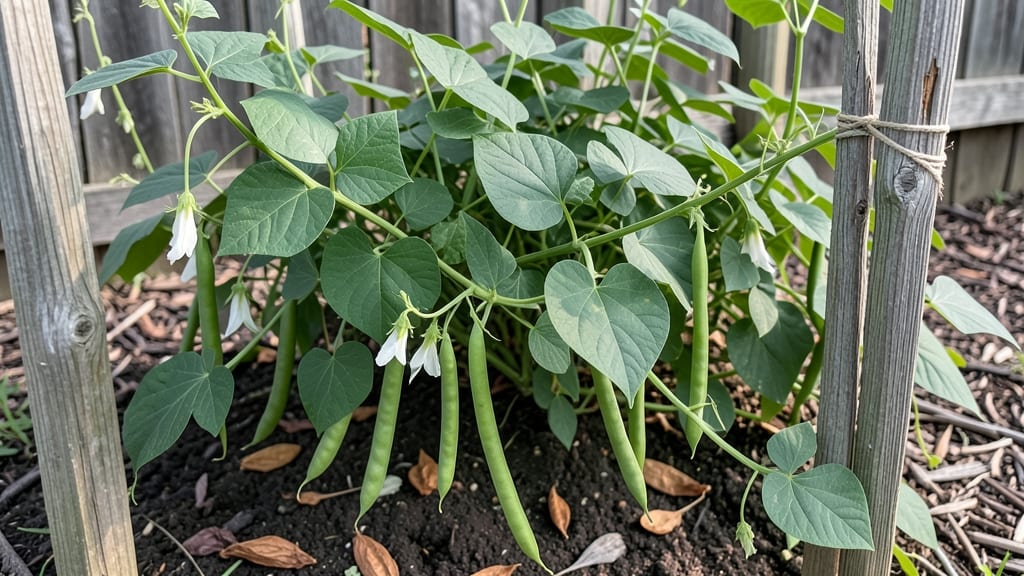
Growing white half runner pole beans saves space while delivering a harvest that tastes like summer. 🌱 These elegant vines climb trellises to 8-10 feet tall, producing tender pods perfect for fresh eating—no sprawling plants required.
My first attempt nearly failed when I planted them too late, but once I nailed the timing and trellis setup, the results were game-changing.
The secret lies in their vertical growth habit: sturdy trellises prevent flopping, and the beans mature faster than bush varieties. Plant seeds 1 inch deep after the last frost when soil reaches 60°F, and watch them twine up supports within weeks.
Regular watering keeps pods tender, and a light mulch prevents soil-borne diseases that plague many beans.
📚 In This Guide
- What you need
- Instructions
- Tips and common mistakes
- Wrapping up and next steps
What you need
- ● Seeds: 1–2 oz (about 100–200 seeds) of white half runner pole bean seeds (e.g., 'Scarlet Runner' or 'Alba' varieties).
- ● Growing Space: Vertical support: A 5–8 ft tall trellis, sturdy fence, or pvc pipe trellis (3–4 ft wide).
- ● OR large containers (10+ gallons) with built-in trellises.
- ● Soil: Well-draining, nutrient-rich soil (pH 6.0–7.0). Mix in 2–3 inches of compost before planting.
- ● Fertilizer: Balanced organic fertilizer (e.g., 10-10-10) or compost tea for slow-release nutrients.
- ● Watering Supplies: Garden hose with a gentle spray nozzle or drip irrigation system.
- ● Mulch: Straw or shredded leaves (2–3 inches) to retain moisture and suppress weeds.
- ● Seed Starting Kit: For indoor starts (biodegradable pots + seedling heat mat).
- ● Trellis Attachments: Twine or soft garden ties to secure vines to supports.
- ● Pest Control: Neem oil spray or row covers for early protection.
- ● Harvesting Tools: Small pruners or kitchen scissors for clean cuts.
- ● Garden Journal: To track planting dates, growth stages, and yields!
Step-by-step instructions for growing white half runner pole beans vertically
Here’s how I turn even the smallest garden into a productive pole bean haven—no sprawling vines, just elegant vertical growth.
🪴 Step 1: Set Up Your Trellis and Planting Site
Choose a sturdy trellis at least 6 feet tall—I prefer a 4-foot-wide A-frame made of bamboo stakes and twine for stability. Install it in a location with full sun (6+ hours daily) and well-draining soil. White half runner beans thrive in slightly acidic soil with a pH of 6.0-7.0, so test your soil if possible.
For small gardens, I plant 4-5 seeds per trellis (they’re prolific climbers). Space seeds 4-6 inches apart in a shallow trench about 1 inch deep. If your soil is sandy, mix in 1 inch of compost to retain moisture. Water gently after planting—don’t drown the seeds, just keep the soil evenly moist until germination.
🌱 Step 2: Support Early Growth and Encourage Climbing
Germination takes 7-14 days at 65-85°F, depending on your climate. Once seedlings emerge, watch for first true leaves (the second set after the initial cotyledons). At this stage, gently tie the main stem to the trellis with soft twine or plant clips—never force it—to guide growth upward.
Side-dress with 1 tablespoon of balanced fertilizer (10-10-10) when plants reach 6 inches tall. This boosts flowering and pod production. I also sprinkle crushed eggshells around the base to deter slugs and add calcium. Water at the base 1 inch per week, avoiding wetting leaves to prevent fungal diseases like rust.
☀️ Step 3: Prune and Harvest for Continuous Production
As vines reach the top of the trellis, prune side shoots that grow below 3 feet to focus energy on upward growth and pod development. Use clean, sharp scissors to snip just above a leaf node. This ensures airflow and reduces disease risk. Harvest pods when they’re 4-6 inches long and still firm—white half runners lose tenderness quickly once mature.
Here’s the thing—I harvest every 2-3 days during peak production to encourage more flowers and pods. If you miss this window, pods can become stringy and tough. I also pinch off any flowers that form below 18 inches on the vine; this redirects energy to the main climbing stems where pods are most productive.
⏰ Step 4: Extend the Season with Proper Care
White half runner beans are heat-sensitive and may stop producing when temperatures exceed 85°F. To prolong harvests, provide afternoon shade with a lightweight row cover during heatwaves. I also mulch heavily with 2 inches of straw to keep roots cool and retain moisture.
At the end of the season, let 2-3 plants mature to save seeds for next year. Dry pods completely on the vine before harvesting seeds. For overwintering in mild climates, cut back vines to 1 foot tall and mulch heavily. In colder zones, pull plants after the first frost—they won’t survive winter but their roots won’t spread invasively.
Tips & tricks for perfect vertical white half runner bean growth
Small-space gardening doesn't mean sacrificing productivity—these insights will help you maximize your vertical growing potential while avoiding common pitfalls.
Trellis Stability: The 6-foot height recommendation isn't arbitrary—it accounts for the beans' vigorous growth habit. For windy areas, I reinforce my bamboo trellis with additional cross-stakes at the base. This prevents leaning and creates a more stable climbing structure. The 4-foot width gives plants room to spread their leaves for photosynthesis while maintaining vertical growth.
Germination Environment: Those 7-14 days of germination depend heavily on soil temperature. I've found that using a seedling heat mat set to 75°F can cut germination time to 5-7 days in cooler climates. Just remember to remove the mat once sprouts appear to prevent overheating. The first true leaves are your signal to start guiding vines upward—don't wait for the initial cotyledons.
Pruning Strategy: When pruning side shoots below 3 feet, I focus on removing only the lateral branches that grow horizontally. This maintains the plant's vertical growth habit while still allowing some foliage for photosynthesis. The key is to make clean cuts just above a leaf node—this encourages new growth at that point rather than creating wounds that invite disease.
Heat Management: The 85°F threshold is critical—exceeding this can cause flowers to drop before setting pods. In hot climates, I've had success with shade cloth that provides 30-50% coverage during peak afternoon sun. This creates a microclimate that keeps roots cool while still allowing sufficient light for photosynthesis. The straw mulch acts as insulation, helping maintain more consistent soil temperatures.
Pro Tips for White Half Runner Pole Beans
- Small-space gardening doesn't mean sacrificing productivity—these insights will help you maximize your vertical growing potential while avoiding common pitfalls.
- Trellis Stability: The 6-foot height recommendation isn't arbitrary—it accounts for the beans' vigorous growth habit.
- Germination Environment: Those 7-14 days of germination depend heavily on soil temperature.
Frequently asked questions
How tall do White Half Runner pole beans grow, and how much support do they need?
White Half Runner beans typically climb 10–15 feet when given proper support, like a trellis, fence, or sturdy pole. Use 3–4 inch mesh netting or bamboo stakes spaced 3–4 feet apart to prevent vines from tangling. If growing in containers, a 5–6 foot vertical trellis works well. Pro tip: Train vines early to encourage upward growth!
When is the best time to plant White Half Runner beans for maximum yield?
Plant seeds 1–2 weeks after your last frost date when soil reaches 60–65°F (15–18°C). For cooler climates, opt for early spring or late summer plantings to avoid heat stress. These beans thrive in warmth but struggle in extreme heat—aim for 70–85°F (21–29°C) days. Pro tip: Succession plant every 2–3 weeks for a continuous harvest!
Can I grow White Half Runner beans in containers, and what’s the ideal setup?
Yes! These beans thrive in containers if given enough space. Use a 5-gallon pot or larger with drainage holes and fill with well-draining potting mix. Place the container near a trellis or tall stake (at least 5–6 feet). Ensure the pot gets 6+ hours of sunlight daily and water consistently—containers dry out faster! Pro tip: Add a time-release fertilizer at planting for extra nutrients.
What are the most common pests for White Half Runner beans, and how do I prevent them?
Watch for bean beetles, aphids, and Japanese beetles, which can damage leaves and pods. Prevent pests by:
- Using row covers early in the season.
- Planting marigolds or nasturtiums nearby as natural repellents.
- Handpicking beetles or spraying neem oil for severe infestations.
Rotate crops yearly to reduce soil-borne pests. Pro tip: Inspect plants weekly for early signs of trouble!
How do I know when White Half Runner beans are ready to harvest, and how long does it take?
Harvest when pods are 4–6 inches long, firm, and slightly plump (usually 50–60 days after planting). Avoid letting them dry out on the vine—overripe beans become tough and woody. Pick every 2–3 days to encourage more production. Pro tip: Harvest in the morning for the best flavor and texture!
What can I plant alongside White Half Runner beans for a successful companion garden?
White Half Runner beans pair well with:
- Corn (beans fix nitrogen, benefiting corn roots).
- Cucumbers or squash (they share similar growing conditions).
- Herbs like basil or dill (repel pests naturally).
Avoid planting near onions or garlic, as they may stunt bean growth. Pro tip: Use the “Three Sisters” method (beans + corn + squash) for a low-maintenance, high-yield garden!
Wrapping up and next steps
Growing white half runner pole beans is a rewarding way to maximize your garden’s potential—especially in small spaces! These versatile, high-yielding vines thrive with minimal effort, offering fresh, nutritious pods for weeks.
Whether you’re a beginner or a seasoned gardener, their vertical growth habit makes them a game-changer for urban or compact plots.
Ready to dive in? Start by planting your seeds this season and watch your garden transform into a lush, productive haven. Happy growing! 🌱✨