
Plants
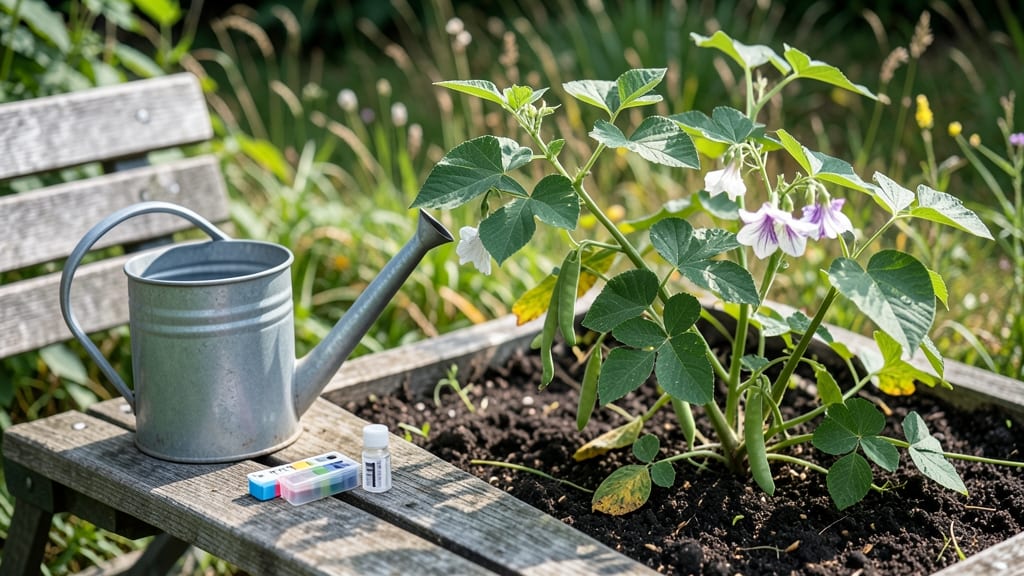
Your bean plants turning yellow isn’t just frustrating—it’s a clear signal your plants are crying for help. 🌱 The good news? Most causes have quick fixes, and I’ve seen my own beans bounce back in just days with the right approach.
The first step is identifying whether it’s overwatering, nutrient starvation, or something sneaking under the leaves.
Yellowing often starts with the oldest leaves first—a classic sign of nitrogen deficiency or poor drainage. Check the soil: if it smells sour or feels soggy, you’re overwatering. But if the leaves stay crisp and yellow, it’s likely a nutrient issue.
A balanced organic fertilizer or compost tea can turn things around in 7-10 days, while rust spots or sticky residue mean pests or disease are the culprits.
Here’s the game-changer: prevent future yellowing by testing soil pH (beans love 6.0-7.0), spacing plants for airflow, and watering at the base—not overhead. I’ve saved entire harvests by switching to drip irrigation and adding mulch to keep roots happy. The fix is often simpler than you think.
Still stumped? The pattern matters: uniform yellow? Nutrients. Spotted leaves? Fungus. Wilted stems? Pests. Each has a targeted solution—let’s tackle yours next. Your beans can be green again.
Root Causes Of Yellowing Beans
Yellowing bean leaves aren’t just a sign of trouble—they’re your plants’ way of screaming for help. Understanding the why behind the discoloration is the first step to saving your harvest. Below, we break down the most common culprits, from soil issues to environmental stressors, with clear explanations and actionable science.
💧 The silent killer of beans Beans hate soggy roots. When soil stays too wet, oxygen can’t reach the roots, leading to anaerobic conditions—a fancy term for "roots suffocating."
This disrupts nutrient uptake, causing leaves to turn yellow, especially the older ones. Poor drainage (often from compacted or clay-heavy soil) worsens the problem by trapping excess moisture.
How to spot it:
- Yellowing starts at the bottom leaves and spreads upward.
- Soil feels squishy when pressed (like a damp sponge).
- Roots may look dark, mushy, or rotten if checked.
Fix it:
- Test your soil’s drainage by digging a hole, filling it with water, and timing how long it takes to drain. Ideal? 30–60 minutes.
- Amend heavy soil with perlite, sand, or compost to improve aeration.
- Water deeply but less often—beans prefer 1–1.5 inches per week (adjust for rain). Let the top inch of soil dry out between waterings.
🌱 Starving leaves scream in yellow Beans are heavy feeders, especially for nitrogen (N), magnesium (Mg), and iron (Fe). When these nutrients are lacking, your plants prioritize growth over leaf health, leading to yellowing. Here’s the breakdown:
| Nutrient | Symptoms | Why It Happens | Quick Fix |
|---|---|---|---|
| Nitrogen (N) | Pale yellow all over leaves (older leaves first) | Soil depletion or over-fertilizing with phosphorus/potassium | Apply balanced fertilizer (10-10-10) or compost tea. |
| Magnesium (Mg) | Yellow patches between veins (older leaves) | Acidic soil or poor soil structure | Sprinkle Epsom salt (1 tbsp/gallon water) every 2 weeks. |
| Iron (Fe) | Yellowing between veins (young leaves) + green veins | Alkaline soil (pH > 7.0) locks out iron | Use chelated iron supplement or acidify soil with pine needles/compost. |
| Potassium (K) | Yellowing edges or tips (older leaves) + weak stems | Stress (drought, disease) or poor soil | Feed with banana peel tea or potassium-rich fertilizer. |
Pro tip: 🔥 Test your soil’s pH—beans thrive in 6.0–7.0. If it’s off, adjust with lime (to raise pH) or sulfur (to lower pH).
🌡️ Wilting leaves = desperate plants Beans are drought-tolerant but not drought-proof. When soil dries out too much, roots struggle to absorb water and nutrients, causing chlorosis (yellowing). Heat stress (especially in 85°F+ temps) accelerates this by increasing water demand.
How to spot it:
- Yellowing starts at leaf edges and spreads inward.
- Soil feels bone-dry 1–2 inches down.
- Leaves may curl or crisp in extreme heat.
Fix it:
- Mulch heavily (2–3 inches of straw or wood chips) to retain moisture.
- Water at the base in the early morning or evening to reduce evaporation.
- Provide shade cloth (30–50%) if temps exceed 90°F for prolonged periods.
🍄 Sneaky invaders love damp beans Fungal infections thrive in humid, poorly ventilated conditions. Common culprits:
- Root rot (Phytophthora, Pythium): Causes yellowing + wilting as roots decay.
- Powdery mildew: White fuzzy coating on leaves → yellowing and leaf drop.
How to spot it:
- Root rot: Yellowing + soft, smelly roots; plants fall over easily.
- Powdery mildew: White powder on leaves; yellowing spreads upward.
Fix it:
- Prevent fungal spread: Space plants 12–18 inches apart for airflow.
- Treat root rot: Remove infected plants, sterilize tools, and repot in fresh, dry soil.
- Fight mildew: Spray with baking soda mix (1 tsp baking soda + 1 quart water + few drops of soap) weekly.
🐜 Tiny vampires suck the life out of leaves Sap-sucking pests like aphids and spider mites drain nutrients, causing yellowing, curling, or stippling (tiny white dots). They thrive in dry, dusty conditions.
How to spot them:
- Aphids: Sticky residue (honeydew) on leaves; clusters of tiny green/black bugs.
- Spider mites: Fine webbing on undersides; leaves turn bronze-yellow.
Fix it:
- Blast them off with a strong spray of water.
- Use insecticidal soap (1 tbsp castile soap + 1 quart water) or neem oil (1 tbsp/gallon water).
- Encourage predators: Ladybugs and lacewings love aphids! Plant marigolds or dill nearby.
Revive Your Bean Plants Fast
Now that you know the likely culprit behind your bean plants’ yellowing leaves, it’s time to take action! Below are practical, step-by-step solutions tailored to each cause—plus tips to keep your beans thriving long-term. 🌱✨
Signs: Yellowing leaves (especially lower ones), soggy soil, wilting despite water. Why it happens: Too much moisture suffocates roots, blocking nutrients and oxygen.
How to Fix It: 🔥 Stop watering immediately—let the top 1–2 inches of soil dry out before watering again. 🍳 Check your pots: If using containers, ensure they have drainage holes (or drill them!). Terra cotta pots help wick away excess moisture faster. 👨🍳 Repot if needed: If soil stays waterlogged for days, transfer the plant to fresh, well-draining potting mix (like a 50/50 blend of compost and perlite). 🥘 Improve soil aeration: Gently loosen compacted soil around roots with a fork or your fingers to encourage airflow. ⏰ Monitor watering: Beans prefer 1 inch of water per week (adjust for rain). Stick your finger in the soil—if it’s damp past 1 inch, wait to water.
Prevent Relapse: 💡 Use mulch (straw or shredded leaves) to regulate soil moisture. 🔥 Water in the morning so excess evaporates during the day. 🌡️ Avoid saucer traps: If using saucers under pots, empty them after watering to prevent root rot.
Signs: Yellowing and crispy edges, wilting in peak afternoon sun, leaves curling.
How to Fix It: 🔥 Move plants to partial shade (4–6 hours of morning sun + afternoon shade works best for most beans). 🍳 Use shade cloth (30–50% coverage) if relocating isn’t an option. 👨🍳 Water deeply at the base (avoid wetting leaves to prevent sunburn). 🥘 Mist leaves lightly on hot days to raise humidity (but avoid soggy soil). ⏰ Harvest frequently: Overripe pods stress plants—pick beans when young and tender.
Prevent Relapse: 💡 Choose heat-tolerant varieties like ‘Black Valentine’ or ‘Contender’ beans if you live in a hot climate. 🎯 Space plants 4–6 inches apart for better airflow and reduced heat buildup.
Signs: Yellowing between veins (chlorosis) or stunted growth, especially if soil is poor.
How to Fix It (Pick Based on Symptoms):
📊 Nitrogen Deficiency (Most Common)
- Fix: Apply a balanced fertilizer (10-10-10 or 5-5-5) or compost tea every 2–3 weeks.
- Quick Fix: Sprinkle 1 tablespoon of blood meal (high-nitrogen) around the base, then water lightly.
💪 Magnesium Deficiency (Yellow between veins)
- Fix: Spray leaves with Epsom salt solution (1 tablespoon per gallon of water) every 2 weeks.
- Soil Boost: Mix ½ cup Epsom salt per square foot into the top inch of soil.
🥗 Iron or Zinc Deficiency (Yellowing + pale leaves)
- Fix: Use a chelated iron/zinc supplement (follow package rates) or amend soil with well-rotted manure.
- Prevention: Test soil pH—beans prefer 6.0–7.0. If soil is alkaline, add sulfur to lower pH.
Prevent Relapse: ✨ Mulch with compost to slowly release nutrients. 🔥 Rotate crops—don’t plant beans in the same spot yearly (they deplete soil). 🌡️ Avoid over-fertilizing—too much salt can burn roots!
Signs: Yellowing with holes, chewed leaves, or black spots/mold.
How to Fix It:
🐜 Aphids, Spider Mites, or Beetles
- Fix: Spray with neem oil (1 tsp per quart of water + a drop of dish soap) or insecticidal soap.
- Manual Removal: Blast pests off with water or handpick them (especially eggs on undersides of leaves).
🍄 Fungal Issues (Powdery Mildew, Rust)
- Fix: Remove infected leaves immediately and dispose of them (don’t compost!).
- Prevent Spread: Spray with baking soda mix (1 tsp baking soda + 1 quart water + a drop of soap) weekly.
- Improve airflow: Prune nearby plants or space beans wider.
🐶 Animal Damage (Squirrels, Deer, or Rabbits)
- Fix: Use physical barriers (chicken wire, fencing) or repellents (hot pepper spray for small pests).
Prevent Relapse: 💡 Inspect plants weekly for early signs of pests. 🎯 Encourage beneficial insects (ladybugs, lacewings) by planting marigolds or dill nearby.
- Trim the damage: Snip yellowed or dead leaves with clean scissors to redirect energy to healthy growth.
- Boost root health: Soak roots in water + mycorrhizal fungi (available at garden centers) for 10 minutes to jumpstart recovery.
- Support weak stems: If plants are top-heavy, stake them or use cage supports to prevent snapping.
Pro Tip: 🌡️ Keep a plant journal! Note watering habits, sunlight changes, and fertilizer dates to spot patterns next time. Your beans will thank you with vibrant green leaves and bumper crops in no time. 🍲🌱
Frequently asked questions
Why do the youngest leaves turn yellow first instead of the oldest ones?
When young leaves yellow first, it’s usually a sign of iron or zinc deficiency. These nutrients are essential for new growth, so a lack causes the youngest leaves to show symptoms first. Check your soil pH—beans need 6.0–7.0. If it’s too alkaline, iron becomes unavailable. Try adding chelated iron or compost to restore balance.
Can I still harvest beans if the leaves are yellow?
Yes! Yellow leaves won’t harm the pods if the plant itself is healthy. Focus on harvesting when pods are firm and 50–75% of their mature size. Avoid over-picking—stressed plants may drop flowers or pods. If only a few leaves yellow, prune them to redirect energy to the harvest.
How do I tell if my beans need more water or less?
Stick your finger 1–2 inches into the soil. If it’s damp, you’re overwatering. If dry, water deeply until it’s moist 6 inches down. Beans prefer consistent moisture—not soggy soil. Yellowing with crispy edges? It’s likely underwatering or heat stress. Mulch to retain moisture and water in the early morning.
Will Epsom salt fix all yellowing leaf problems?
No—Epsom salt only addresses magnesium deficiency (yellowing between veins). It won’t help with nitrogen issues, pests, or fungal diseases. Test your soil first! For general yellowing, use a balanced fertilizer (10-10-10) or compost tea. Always water after applying amendments to prevent root burn.
Can I save my beans if they’ve been yellow for weeks?
It depends! If roots are healthy and new growth is green, recovery is possible. Trim severely yellow leaves, adjust watering/nutrients, and monitor closely. If stems are mushy or leaves are crispy/brown, the plant may be beyond saving. Start fresh with new seeds or cuttings—sometimes prevention is better than revival!