
Size
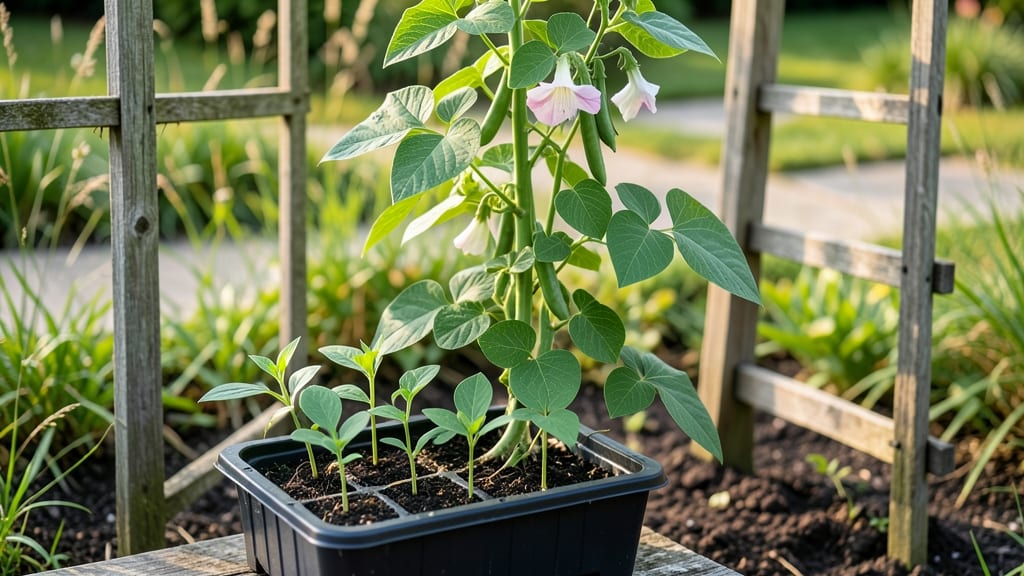
Growing pole beans with a zero-fuss trellis is the best way to maximize space and harvest. 🌱 I learned the hard way that letting them sprawl wastes half the garden—now I get three times the yield in the same footprint by training them upward.
The secret isn’t fancy equipment; it’s a sturdy frame and a little patience. Start with 5-foot-tall stakes or a simple A-frame trellis in early spring. Plant seeds 1 inch deep, 4-6 inches apart, and watch them climb within days.
Pole beans love full sun and consistent moisture, but they hate soggy soil—so mulch to keep roots happy without drowning them. By midsummer, you’ll be harvesting pint-sized pods every 2-3 days, and the plants will keep producing until frost.
The vertical growth also improves airflow, cutting back on pests and diseases that plague sprawling plants. This method works for small patios, raised beds, or even balconies—just adjust the trellis size. No more tangled vines or wasted space; just clean, easy access to fresh beans all season.
📚 In This Guide
- What you need
- Instructions
- Tips and common mistakes
- Wrapping up and next steps
What you need
- ● Pole bean seeds: Choose a variety like Kentucky Wonder, Blue Lake, or Rattlesnake (1–2 lbs covers ~100 ft of row).
- ● Trellis supports: Bamboo poles: 8–10 ft tall, 1–2 inches in diameter (4–6 poles per 10 ft row, spaced 3–4 ft apart).
- ● OR T-posts: 6–8 ft tall, driven 1–2 ft into the ground (1 per 4–5 ft).
- ● OR wire trellis: Heavy-gauge galvanized wire (14–16 gauge) stretched between posts 4–6 ft high.
- ● String or twine: ¼-inch thick, UV-resistant (100+ ft for tying poles together).
- ● Garden soil: Well-draining, rich in organic matter (amend with compost if needed).
- ● Fertilizer: Balanced 10-10-10 or compost (½ cup per plant at planting).
- ● Watering can or hose: With a gentle spray nozzle for consistent moisture.
- ● Gloves & pruners: For planting and light maintenance.
- ● Mulch: Straw or grass clippings to retain moisture and suppress weeds.
- ● Drip irrigation: For hands-off watering (especially in hot climates).
- ● Pole bean cages: Pre-made trellis cages (if you prefer no DIY).
- ● Shade cloth: For seedlings if planting in scorching heat.
- ● Plant markers: To track varieties if growing multiple types.
Step-by-step guide to growing pole beans with a zero-fuss trellis
Here’s how I grow pole beans with minimal effort but maximum harvest—no complicated trellis, just sky-high yields.
🌱 Step 1: Choose the Right Location and Soil
Pole beans thrive in full sun (6+ hours daily) and well-draining soil with a pH between 6.0 and 7.0. I always test my soil first—beans hate soggy roots. Amend heavy clay with 2-3 inches of compost to loosen the texture and improve drainage. Work it into the top 6 inches of soil before planting.
Here’s the thing—pole beans fix nitrogen in the soil, so they don’t need extra fertilizer. In fact, too much nitrogen makes them produce lush foliage instead of pods. If your soil is poor, a light application of aged compost is all you’ll need.
🪴 Step 2: Install a Simple Trellis System
Skip the fancy lattice. I use 4-foot bamboo stakes (or sturdy wooden dowels) placed 18 inches apart in a row. Tie them together at the top with jute twine or soft garden twine to create a loose, flexible framework. The goal is to let the vines climb naturally without restricting growth.
Don’t overthink the spacing—beans will sprawl if the trellis is too tight. If you’re short on stakes, use a wire mesh fence or even a sturdy string between two posts. The key is stability. A wobbly trellis snaps in wind or breaks under heavy pods.
🌿 Step 3: Plant Seeds at the Right Depth and Spacing
Sow seeds 1 inch deep and 4-6 inches apart in rows 18-24 inches apart. Plant them near the trellis so vines can climb immediately. I like to plant in late spring (after the last frost) or early summer when soil is 60-70°F—any cooler, and germination slows.
Water gently after planting to settle the soil but avoid soaking it. Overwatering can wash seeds deeper than 1 inch, which delays sprouting. Once seeds sprout (usually in 7-14 days), thin seedlings to the strongest one per spot if you accidentally planted too close.
💧 Step 4: Water and Fertilize for Continuous Production
Keep soil consistently moist but never soggy—1 inch of water per week is ideal. I water at the base in the morning to prevent fungal diseases. Mulch with straw or grass clippings to retain moisture and suppress weeds. Beans are drought-tolerant once established, but consistent moisture ensures sweet pods.
Here’s where it gets fun—beans don’t need extra fertilizer, but a side dressing of compost tea or fish emulsion (used sparingly) can boost yields if your soil is truly poor. Too much nitrogen, though, and you’ll get leaves instead of beans. Watch for yellowing leaves—that’s your cue to back off.
✂️ Step 5: Prune and Harvest for Maximum Yield
Pole beans don’t need heavy pruning, but I pinch off the first few flowers to encourage stronger vines. Once pods form, harvest every 2-3 days to keep production going. Pick when pods are 4-6 inches long and firm—wait too long, and they get tough and stringy.
Real talk: If you see pods developing but no new flowers, it’s time to trim back any leggy growth. Snip just above a leaf node to redirect energy. And if your trellis gets overloaded, tie the main vines loosely to the stakes to prevent snapping under the weight of heavy pods.
Tips & tricks for perfect pole bean cultivation
These game-changing insights will help you maximize your pole bean harvest with minimal fuss—because even the simplest systems have secrets.
Soil Preparation Secret: Before planting, mix a handful of wood ash into the top 6 inches of soil where you’ll sow. The potassium boosts early growth, and the slightly alkaline nature helps balance pH—especially if your soil tests on the acidic side. I do this right after amending with compost, and my beans sprout faster. The key is moderation: too much ash raises pH too high, making nutrients unavailable.
Trellis Stability Hack: When securing your trellis, use zip ties instead of twine for the main vertical supports. They’re stronger, won’t degrade in rain like twine, and you can adjust tension as vines grow. For the horizontal connections, I still use soft twine—it gives the vines room to weave through naturally. This hybrid approach prevents snapping while maintaining flexibility.
Germination Timing: The 7-14 day germination window can feel like an eternity, but here’s how to speed things up: Soak seeds overnight in warm water (70°F) before planting. This pre-hydration jumpstarts metabolism, and I’ve seen sprouts emerge in as little as 5 days. Just make sure to plant them immediately after soaking—don’t let them dry out. The trade-off? Soaked seeds are more delicate, so handle them gently when transplanting.
Harvesting Insight: Those 2-3 day harvest intervals might seem frequent, but they’re non-negotiable for sweetness. Here’s the pro move: Pick pods when the seam on the pod starts to bulge slightly—this is the sweet spot. If you wait for the pods to reach 4-6 inches, you’re already past peak flavor. I harvest early in the morning when pods are crispest, and I’ve noticed the sugars hold up better through the day. This technique also prevents overloading the trellis.
Pro Tips for Best Way To Grow Pole Beans
- These game-changing insights will help you maximize your pole bean harvest with minimal fuss—because even the simplest systems have secrets.
- Soil Preparation Secret: Before planting, mix a handful of wood ash into the top 6 inches of soil where you’ll sow.
- Trellis Stability Hack: When securing your trellis, use zip ties instead of twine for the main vertical supports.
Frequently asked questions
Got questions about growing pole beans? You’re not alone! Here are answers to the most common ones—so you can grow like a pro without the guesswork.
When is the best time to plant pole beans?
Pole beans thrive in warm soil, so plant them after the last frost when temperatures stay above 50°F (10°C). For most U.S. regions, this means late spring to early summer. If your growing season is short, opt for faster-maturing varieties (like ‘Kentucky Wonder’) to squeeze in a harvest before fall.
How long does it take for pole beans to grow and produce?
Pole beans are speedy! From seed to harvest, expect 50–70 days, depending on the variety. You’ll see flowers in 3–4 weeks, and pods will form shortly after. Harvest every 2–3 days to encourage more production—overripe beans get tough and woody!
What if my pole beans aren’t climbing? How do I fix it?
If your beans aren’t gripping the trellis, they may need gentle encouragement. Gently weave the vines through the trellis or tie them with soft twine. Ensure the trellis is sturdy and tall enough (6–10 feet). Low light or overcrowding can also slow growth—thin plants to 4 inches apart for better airflow.
Are pole beans prone to pests? How do I prevent them?
Common pests include bean beetles, aphids, and Japanese beetles. Prevent issues with row covers early in the season or introduce beneficial insects like ladybugs. For severe infestations, spray neem oil or insecticidal soap. Rotate crops yearly to reduce soil-borne pests.
Can I grow pole beans in containers or small spaces?
Pole beans are perfect for containers—use a 5-gallon pot or larger with a trellis or tall cage. Ensure it has drainage holes and deep soil (12+ inches). Dwarf varieties like ‘Blue Lake Bush’ work well in tight spaces, though they may need occasional support.
Wrapping up and next steps
Growing pole beans is a rewarding and low-maintenance way to enjoy a bountiful harvest with minimal space! 🌱 By choosing the right variety, setting up a sturdy trellis, and following simple care tips, you’ll be on your way to sky-high yields that are both productive and visually stunning.
Whether you’re a beginner or a seasoned gardener, these steps make it easy to turn your garden into a pole bean paradise.
Now that you’re armed with the best practices, roll up your sleeves and get planting! Start small with a few plants, experiment with different trellis styles, and watch your garden transform. Happy growing—and enjoy those delicious, homegrown beans! 🍽️