
Plants
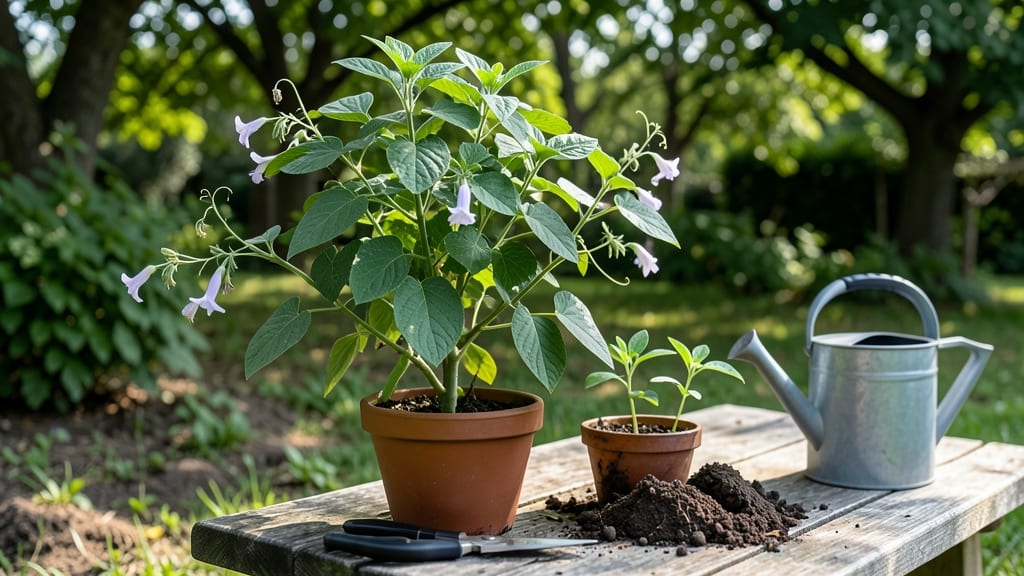
You can plant dry beans directly in the garden, but they require pre-soaking for 8–12 hours to speed germination and improve sprouting success in cooler climates or poor soil conditions. Ensure well-draining soil and consistent moisture for best results.
Planting dry beans straight from the package is absolutely possible, but their hard seed coats can slow down sprouting—especially in less-than-ideal conditions. 🌱 The soaking process softens the outer shell, allowing water to penetrate faster and triggering enzymes that jumpstart growth.
For best results, I recommend using warm water (around 70°F) and a breathable container, like a cloth sack, to prevent mold. This method works particularly well for heirloom varieties, which often have thicker seed coats than commercial types.
Beyond soaking, soil temperature plays a critical role. Dry beans thrive in soil that stays between 60–90°F, with 70°F being ideal for consistent germination.
If you're in a cooler climate, consider planting in early spring when the soil warms up naturally, or use black plastic mulch to create a warmer microclimate. The key is patience—beans planted in cooler soil may take 10–14 days to emerge, while warmer conditions can cut that time in half.
💡 In This Article
- How to Prep Dry Beans for Planting
- Best Soil and Climate Conditions for Growing Dry Bean Seeds
How to prep dry beans for planting
Dry beans have a tough outer shell called the testa that naturally resists water absorption, which is why they need preparation before planting. The soaking process softens this barrier, allowing moisture to reach the embryo inside.
For optimal results, I use a two-step method: first, rinse the beans in cool water to remove any debris, then place them in a container with warm water (around 70°F) for 8–12 hours.
Warm water speeds up hydration by about 20% compared to room temperature, which is especially helpful in cooler climates where soil temperatures lag behind air temperatures.
Here’s what happens during soaking: the beans absorb water through tiny pores called micropyles, swelling by roughly 30–50% in size.
This triggers enzymatic activity that breaks down stored nutrients in the seed, fueling early root growth. 🌱 For varieties with extra-thick seed coats (like some heirloom beans), you can enhance germination by gently rubbing the seeds with sandpaper or nicking them lightly with a knife—a process called scarification.
This mimics natural weathering and can improve sprouting rates by up to 30% in stubborn varieties.
If you’re short on time, a quick-soak method works too: soak beans in hot water (not boiling) for just 2–3 hours, then plant immediately. However, this approach is less effective in cooler conditions, where the seeds may need that extra hydration time.
Always drain and rinse soaked beans before planting to prevent fungal growth, which thrives in stagnant moisture. Pro tip: Use a breathable sack or cheesecloth to contain smaller seeds during soaking—they’re less likely to slip through cracks in containers.
Alternative methods include chilling soaked beans in the refrigerator for 12–24 hours before planting, which can help synchronize germination in larger batches. This mimics the natural stratification process some wild beans undergo.
For gardeners in humid climates, reduce soaking time to 6–8 hours to avoid over-hydration, which can lead to mold or premature sprouting before planting. The goal is to prepare the seed without overdoing it—think of it as giving your beans a gentle wake-up call rather than a full immersion.
One common mistake is assuming all beans benefit from the same soaking time. For example, kidney beans often need 12+ hours due to their dense seed coats, while smaller varieties like mung beans may only require 4–6 hours.
Always check seed packets for specific recommendations, as some modern hybrid varieties have been bred for faster germination. 💫 The key is consistency: whether you soak for hours or days, maintain a steady temperature and monitor for signs of mold (white fuzz or sour smells), which means it’s time to rinse and replant.