
Pests
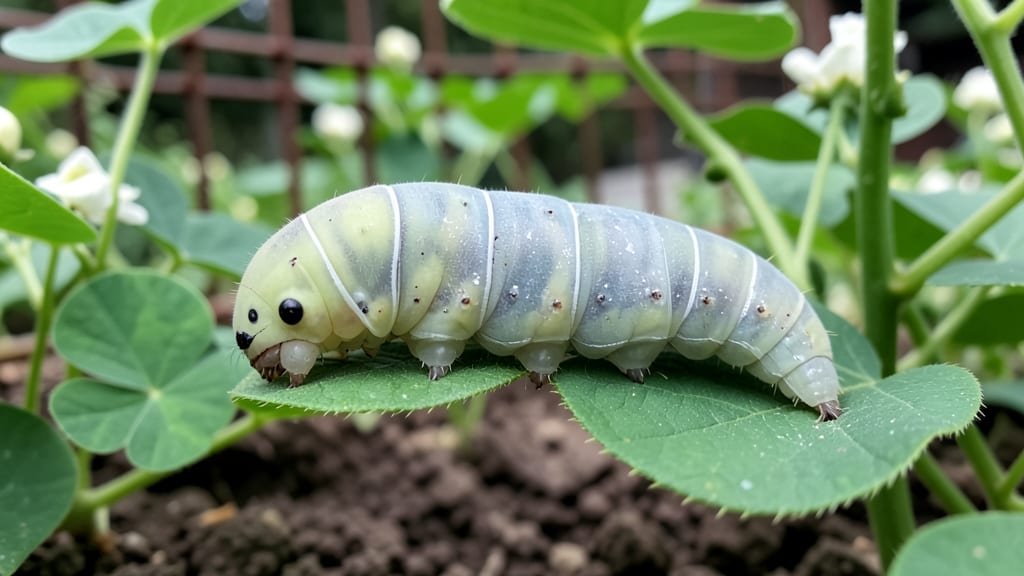
Rabbits do eat bean plants, including green beans, runner beans, and broad beans, due to their high protein and fiber content. Young shoots and leaves are especially vulnerable, making protection essential in gardens or raised beds where they graze.
Rabbits target bean plants because they offer a nutrient-rich meal—especially the tender young shoots and leaves, which are packed with protein and easy to digest. 🌱 Unlike mature plants, these delicate parts don’t require much chewing, making them a quick snack for hungry bunnies.
Their natural foraging instincts drive them toward gardens, particularly in early spring when fresh greens are abundant. If you’ve ever spotted half-eaten bean plants at dawn, you’re witnessing this behavior firsthand.
This preference isn’t just about hunger—texture plays a role too.
The soft, fibrous leaves of bean plants are far easier to nibble than tougher stems or mature pods. 💫 Climate also shifts their grazing patterns: in cooler weather, rabbits may focus on beans as a primary food source, while warmer months might see them diversify their diet.
Understanding these habits helps gardeners anticipate and prevent damage before it starts.
💡 In This Article
- Why Rabbits Target Bean Plants and Their Feeding Habits
- Effective Rabbit-Proofing Strategies for Bean Gardens
Why rabbits target bean plants and their feeding habits
Bean plants—especially green beans, runner beans, and broad beans—are a rabbit's garden buffet because they pack a nutritional punch. 🌱 Young shoots contain up to 25% protein by dry weight, making them a high-value food source for rabbits, which require 12-16% protein in their diet for optimal health.
The tender leaves also provide high fiber content (20-30%), which aids digestion—a critical factor for herbivores like rabbits. This combination of protein and fiber makes bean plants irresistible, particularly to young rabbits or does (female rabbits) nursing litters that need extra nutrition.
The texture of bean plants plays a crucial role in their appeal. Rabbits prefer soft, fibrous vegetation that requires minimal chewing—ideal for their 28-32 teeth, which continuously grow throughout their lives.
Young bean shoots have a delicate, almost succulent texture, while mature leaves remain tender compared to tougher garden plants like kale or cabbage. 💫 What's more, the vertical growth habit of bean plants (especially pole beans) brings foliage to the perfect rabbit-height of 12-24 inches off the ground, making them easily accessible without the rabbit needing to stand on hind legs—a position that would make them vulnerable to predators.
Seasonal changes dramatically influence rabbit feeding patterns.
In early spring, when fresh greens are scarce, rabbits will aggressively target young bean seedlings, sometimes consuming entire rows within 24 hours of sprouting. 🌿 During summer months, when other vegetation is abundant, rabbits may still graze on bean plants but focus more on the flower buds and pods, which contain sugars and seeds that provide quick energy.
The key insight here is that young plants are most vulnerable—once beans reach the podding stage, their tougher stems and fibrous pods deter rabbits more effectively.
Climate also shapes these behaviors. In cooler regions, where growing seasons are shorter, rabbits may rely more heavily on stored bean plants or garden crops as winter food sources.
Conversely, in warmer climates, rabbits might diversify their diet more quickly, but bean plants remain a staple due to their year-round availability in many gardens. 🌡️ The scent of bean plants—particularly the sweet, earthy aroma of crushed foliage—actually attracts rabbits, as their keen sense of smell (capable of detecting prey from 150 feet away) is drawn to the volatile compounds released when plants are damaged.
What most gardeners don't realize is how selective rabbits can be when grazing.
While they'll eat nearly any bean variety, they show a preference for pole beans over bush beans because the vining habit provides more surface area for grazing. 🌿 Additionally, rabbits often avoid plants treated with certain organic sprays (like neem oil or garlic-based repellents), which can alter the plant's scent profile.
This selective behavior means that even if you grow beans, their location in your garden—and the presence of companion plants—can significantly influence whether they become a rabbit buffet or remain untouched.
Understanding these habits explains why you might see uneven damage in your bean patch—rabbits often target the most tender, accessible parts first.
For example, they'll nibble the top leaves of pole beans while leaving the lower stems intact, creating a distinctive "windowpane" effect on the foliage. 🌿 This targeted grazing is a clear sign that rabbits are present and actively foraging, giving gardeners a critical early warning to implement protective measures before the damage becomes severe.