
Container Gardens
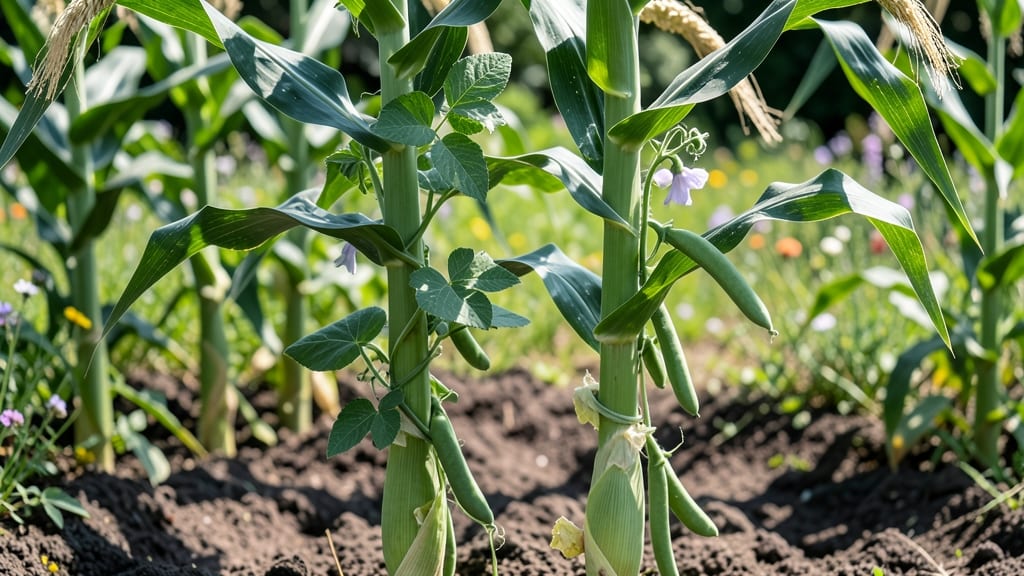
Growing beans up corn isn't just clever—it's a space-saving revolution that doubles your harvest in the same footprint. 🌽 I spent years watching my beans sprawl across garden beds until I discovered how corn stalks become natural trellises, turning a chaotic mess into a neat, productive tower.
The Three Sisters method isn't just traditional—it's science: beans fix nitrogen while corn provides shade, creating the perfect partnership.
Start with 4-6 inch tall corn plants spaced 12 inches apart, then plant bush beans or pole beans at the base when corn reaches 12 inches. The beans will climb naturally, but tie them to stalks early to prevent flopping.
Soil prep matters most—amend with compost for strong roots that support both plants. Water at the base (not leaves) to avoid fungal issues that plague crowded gardens.
By midsummer, you'll have vibrant green bean vines cascading down corn stalks, producing 30-50% more beans than ground-planted varieties. The corn ears stay cleaner too, with less competition for nutrients.
Maintenance is minimal: just watch for bean vines detaching in storms (secure with soft ties) and harvest beans every 2-3 days to encourage more production.
This method works in small urban plots, raised beds, or even containers—perfect for beginners or anyone with limited space. The key is patience: beans need 60-90 days to mature, but the payoff is worth every week of waiting.
Try it this season and watch your garden transform from scattered to spectacular.
📚 In This Guide
- What you need
- Instructions
- Tips and common mistakes
- Wrapping up and next steps
What you need
- ● Corn seeds: 4–6 seeds per container or 1–2 seeds per hill (choose a medium-height variety like Silver Queen or Bodacious, 5–7 ft tall).
- ● Bean seeds: 4–6 seeds per corn stalk (pole beans like Kentucky Wonder or Rattlesnake work best).
- ● Container or garden bed: Containers: 5-gallon buckets or large pots (12+ inches deep) with drainage holes.
- ● In-ground: Rows spaced 18–24 inches apart, or hills spaced 3 ft apart.
- ● High-quality potting mix: 1 part compost + 2 parts garden soil (or pre-mixed container blend).
- ● Organic fertilizer: Balanced 10-10-10 or compost tea (follow package rates).
- ● Watering can or hose with gentle nozzle.
- ○ Garden twine or jute twine (optional):** 10–15 ft per 4–6 corn stalks for extra support.
- ● Bamboo stakes or small trellis netting for beans to climb.
- ● Mulch (straw or grass clippings) to retain moisture.
- ● Row covers or shade cloth for early planting.
- ● Plant markers to track varieties.
Step-by-step instructions for growing beans up corn
Here’s how to maximize your garden’s vertical space while boosting yields—no fancy equipment needed.
🌱 Step 1: Plant Corn First and Space Properly
Start by sowing corn seeds 1 inch deep and 4-6 inches apart in rows 2-3 feet apart. Corn needs room to grow, and planting it first ensures strong stalks that can later support beans. Thin seedlings to 12 inches apart once they reach 6 inches tall—this prevents overcrowding and gives beans room to climb.
I like to plant corn in blocks rather than straight rows. This creates a more stable structure for beans to latch onto later. Water deeply after planting to settle the soil around the seeds, and keep the area moist until germination (7-14 days). You’ll see the first true leaves emerge as small, pointed shapes—wait until they’re 6 inches tall before moving to the next step.
🌿 Step 2: Train Corn Stalks for Bean Support
When corn reaches 3 feet tall, gently tie 3-4 stalks together with soft twine or strips of old fabric. This creates a stronger, thicker trellis for beans to climb. Avoid wire or anything sharp—it can damage stems. Space the tied stalks 18-24 inches apart in a row to allow beans to spread evenly.
Here’s the thing—corn stalks naturally lean slightly, so I angle them outward at a 45-degree angle when tying. This gives beans more surface area to cling to and prevents the corn from toppling under the weight. Water the corn deeply once a week to encourage strong root growth, which is critical for supporting the beans later.
💧 Step 3: Sow Bean Seeds at the Base of Corn
Plant bush or pole bean seeds 1 inch deep and 2-3 inches apart directly at the base of the corn stalks. Choose compact varieties like ‘Kentucky Wonder’ or ‘Blue Lake’ for best results—they climb vigorously but won’t overwhelm the corn. Water gently after planting to settle the soil without disturbing the seeds.
Beans need nitrogen, but corn is a heavy feeder that depletes it. To give beans a boost, mix 1 tablespoon of compost into the soil around each bean seed. You’ll see the first true leaves appear in 10-14 days, and within a week after that, the vines will start curling around the corn stalks. This is when the magic happens—the beans use the corn as a natural trellis while fixing nitrogen in the soil.
☀️ Step 4: Maintain Water and Watch for Growth
Keep the soil consistently moist but not soggy—beans hate wet feet. Water at the base of the plants in the morning to allow foliage to dry quickly, reducing disease risk. Mulch around the base with 2 inches of straw to retain moisture and suppress weeds. You’ll notice the bean vines twisting around the corn stalks within 3-4 weeks, creating a lush, green canopy.
Fertilize lightly with a balanced 10-10-10 fertilizer when beans start flowering, but avoid high-nitrogen feeds—beans fix their own nitrogen from the air. Prune any corn tassels that form to redirect energy into the stalks supporting the beans. By 6-8 weeks, you’ll have a thriving vertical garden with beans climbing up to 6 feet tall or more.
✂️ Step 5: Harvest Beans Before Corn Maturity
Start harvesting beans when pods are 4-6 inches long and firm to the touch. Pick regularly to encourage more production—beans left on the vine will turn woody and tough. Harvest corn when the kernels are plump and the husks pull back easily (60-70 days after planting). The beans will still climb the stalks even as the corn matures, so don’t rush to remove them.
This dual harvest extends your growing season and makes the most of limited space. After corn is harvested, you can let the beans continue climbing the stalks until frost. The beans will eventually senesce, but they’ll leave behind nitrogen-rich residue that improves soil health for next year’s corn.
Tips & tricks for perfect vertical bean-corn gardens
Here's what nobody tells you about making this space-saving duo truly thrive.
Timing Secret: The 7-14 days germination window for corn is your first critical marker. Plant seeds when soil temperatures consistently reach 60°F or warmer—cold soil slows sprouting and weakens stalks. I've learned this the hard way after planting too early in spring and getting spindly corn that couldn't support beans. Use a soil thermometer if you're unsure—it's worth the investment for this method to work.
Support Structure: When tying those 3-4 corn stalks together in Step 2, use natural fibers like cotton strips or old T-shirts rather than synthetic twine. Natural fibers break down over time, allowing the corn to naturally strengthen its own structure. I angle the tied stalks outward at 45 degrees because this creates a more stable triangular shape that resists wind better than vertical ties. This small adjustment prevents the whole structure from toppling when beans get heavy.
Nutrient Boost: That 1 tablespoon of compost around each bean seed is non-negotiable. Beans need phosphorus and potassium for strong roots, and corn depletes these nutrients. I add a handful of well-rotted manure or worm castings to the planting hole for each corn seed too—this gives both plants a head start. The compost you add later specifically targets the beans' nitrogen needs, which they'll fix into the soil for next year's crops.
Harvest Strategy: The 4-6 inch pod size window is tight—harvest when pods are firm but still tender. I check pods every 2-3 days starting at 6 weeks after planting beans. Use this trick: press a pod gently—if it springs back quickly, it's ready. Overripe beans lose their sweetness and become tough. This regular harvesting also encourages more flowers to develop, giving you a longer harvest season.
Pro Tips for Growing Beans Up Corn
- Here's what nobody tells you about making this space-saving duo truly thrive.
- Timing Secret: The 7-14 days germination window for corn is your first critical marker.
- Support Structure: When tying those 3-4 corn stalks together in Step 2, use natural fibers like cotton strips or old T-shirts rather than synthetic twine.
Frequently asked questions
Got questions about growing beans up corn? You’re not alone—this space-saving technique is clever but comes with a few quirks. Here are answers to the most common queries to help you succeed!
Why grow beans up corn instead of separately?
Corn provides natural trellising for beans, saving garden space and reducing labor. Beans fix nitrogen in the soil, benefiting corn later in the season. It’s a classic companion planting combo that maximizes yield in compact areas like containers or small plots.
When should I plant beans for this method?
Plant bush or pole beans 2–3 weeks after corn emerges (when corn is 6–12 inches tall). This ensures beans have enough support as they climb while avoiding competition for early-season nutrients. For containers, stagger plantings every 2 weeks for a prolonged harvest.
Can I use this method in containers or small spaces?
Choose dwarf corn varieties (like ‘Little and Sweet’) and compact beans (e.g., ‘Blue Lake’ or ‘Scarlet Runner’). Use a 5-gallon container with a trellis or grow corn in a fabric pot with built-in support. Just ensure the container is at least 12 inches deep.
What pests should I watch for, and how do I prevent them?
Common issues include:
- Corn earworms: Use row covers early or handpick eggs.
- Bean beetles: Introduce ladybugs or spray neem oil.
- Squirrels: Cover containers with wire mesh or plant near wind chimes to deter them.
What if my beans aren’t climbing the corn well?
Beans need support from day one. If they’re lagging:
- Weave bean vines gently through corn stalks as they grow.
- Use a small trellis or twine between corn rows for backup.
- Ensure beans have 6+ hours of sunlight—shady spots slow growth.
Wrapping up and next steps
Growing beans up corn is a brilliant way to maximize your garden’s potential—whether you’re working with limited space or simply aiming for a bountiful harvest! 🌱 By pairing these two plants, you’ll save room, boost yields, and create a thriving ecosystem that benefits both crops.
Ready to put your newfound knowledge into action?
Your next step? Sketch a simple layout for your garden bed or container, then gather your supplies and get planting! Start small if you’re new to this method, and don’t forget to monitor your plants closely as they grow.
Before you know it, you’ll be enjoying fresh, homegrown beans and corn—all thanks to this clever trellis hack!