
Planting
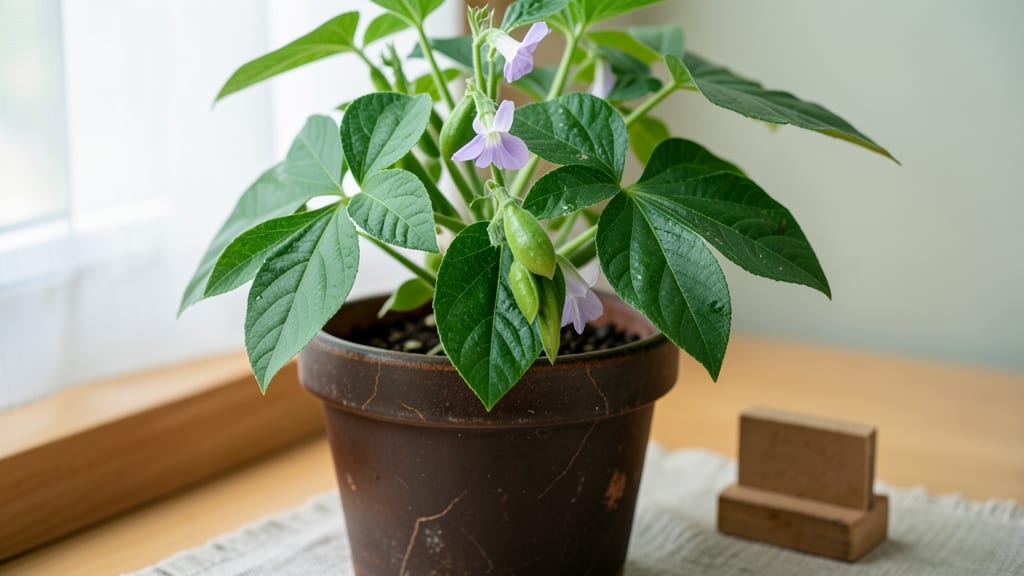
An indoor green bean plant thrives with bright indirect light, nutrient-rich potting mix, and steady watering. Start by sowing seeds 1 inch deep in a 12-inch container, provide vertical support with a trellis, and keep temperatures between 65-75°F. Harvest pods at 4-6 inches for peak tenderness.
Green beans are surprisingly adaptable to indoor growing, but their success hinges on replicating their natural tropical conditions. 🌱 The key is mimicking their love for sunshine—south-facing windows or a grow light 6-12 inches away for 12-14 hours daily will prevent leggy growth.
I've found that using a mix of coconut coir and perlite creates the ideal drainage while retaining moisture, which is crucial since beans hate soggy roots. For temperature, consistency matters more than extremes—just avoid drafts near AC vents or heaters, as sudden shifts stress the plants.
Here's where many beginners stumble: watering. These plants need 1 inch of water per week, but they're sensitive to overwatering. I recommend bottom-watering to encourage deep root growth and prevent fungal issues.
When setting up your trellis, opt for a sturdy bamboo or metal frame—beans can get surprisingly heavy as they climb. And don't forget to pinch off early flowers if you want bushier growth; the plant will redirect energy to stronger vines and more pods later.
💡 In This Article
- Optimal Light, Soil, and Temperature for Indoor Green Beans
- Step-by-Step Indoor Green Bean Planting and Maintenance Guide
Optimal light, soil, and temperature for indoor green beans
Green beans need 6-8 hours of bright indirect light daily to thrive indoors, but direct sun can scorch their delicate leaves. South-facing windows provide the best natural light, but if that's not an option, LED grow lights positioned 6-12 inches above the plants work wonders.
These lights should run for 12-14 hours daily to mimic summer daylight. I've noticed that blue spectrum LEDs (around 450nm wavelength) promote leafy growth, while adding a touch of red (660nm) encourages flowering and pod development.
Without enough light, beans become leggy and produce fewer pods—this is your plant's way of stretching toward any available light source.
The soil pH plays a crucial role too, with an ideal range of 6.0-7.0 for optimal nutrient uptake. Green beans prefer slightly acidic to neutral soil, which allows them to absorb essential minerals like nitrogen, phosphorus, and potassium efficiently.
I've had the best results using a mix of 60% potting soil, 30% coconut coir, and 10% perlite—this combination improves drainage while retaining moisture. Poor drainage causes root rot, which appears as yellowing leaves and a foul smell at the base of the plant.
Always use a pot with drainage holes to prevent waterlogging, as beans are particularly sensitive to soggy roots.
Temperature consistency is just as important as light and soil. Green beans prefer daytime temperatures between 70-80°F and cooler nights around 60-65°F. This 10°F difference between day and night helps trigger flowering.
I've found that indoor heating systems can dry out the air too much, so using a humidifier near the plants or placing them on a pebble tray helps maintain ideal conditions.
Avoid placing your green beans near drafts, windows with cold air leaks, or direct heat sources like radiators—these fluctuations stress the plants and can lead to stunted growth or even flower drop.
When troubleshooting common issues, start with the leaves. Yellowing leaves often indicate overwatering or poor drainage, while brown edges suggest underwatering or low humidity. If your beans develop small, pale leaves with long stems, they're reaching for more light—a classic sign of light deprivation.
Another red flag is when flowers appear but fail to develop into pods. This usually means the plant isn't getting enough phosphorus, so a light application of bone meal or a balanced fertilizer can help.
I've also noticed that some varieties, like 'Blue Lake' or 'Kentucky Wonder,' are more forgiving indoors than others, so choosing the right cultivar makes a big difference in your success rate.
For maximum yield, pay attention to the plant's growth habits. Green beans are either bush or pole varieties, and both benefit from vertical support. Pole beans climb naturally, which saves space and encourages more pod production.
The key is to provide support early—within 1-2 weeks of germination—as the vines become stronger and more productive with height. When setting up your trellis, ensure it's tall enough (at least 5-6 feet) to accommodate the plant's full growth potential.
This vertical growth not only maximizes your harvest but also improves air circulation around the plant, reducing the risk of fungal diseases.
One final tip: monitor your plants closely during the first 4-6 weeks of growth. This is when they're most vulnerable to environmental changes. If you notice any wilting, check the soil moisture with your finger—it should feel like a damp sponge, not a soggy rag.
Adjust your watering schedule based on the season: in winter, you might need to water every 5-7 days, while summer may require daily checks.
With the right balance of light, soil, and temperature, your indoor green beans will reward you with a bountiful harvest of tender pods all season long. 🌱