
Vegetables
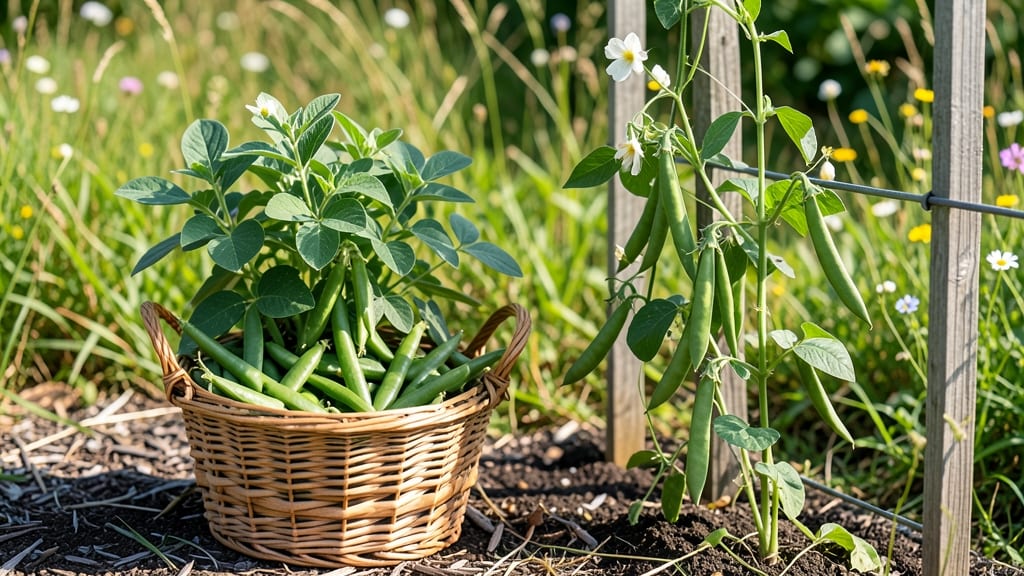
Is there a difference between string beans and green beans, and if so, why does it matter whether one climbs like a vine while the other stays compact? 🌱 I’ve grown both for years, and the differences go beyond just how they look in the garden.
String beans (pole beans) need trellises or fences to reach their full potential, while green beans (bush beans) grow in neat, self-supporting bushes. The way you plant them changes everything.
String beans produce more per square foot but require sturdy support (think tall stakes or strong fencing) to keep them growing upward. Bush beans, on the other hand, are perfect for small spaces or containers—they don’t need any extra help standing up.
Harvest timing also shifts: string beans give you a longer harvest window as they climb, while bush beans ripen all at once but over a shorter period. Culinary uses overlap, but their growth habits make them ideal for different garden setups.
String beans thrive in warmer climates where they can stretch out, while bush beans do well in cooler areas or shorter seasons. One isn’t "better"—it’s about what fits your space and goals. I’ll break down the trade-offs so you can pick the right one for your garden.
Here’s the kicker: if you’re short on space, bush beans win for simplicity and speed. They mature faster (about 50-60 days) and don’t need extra support, making them beginner-friendly.
But if you’ve got vertical room to spare, string beans deliver more beans per plant and keep producing longer—sometimes until frost. That’s why I grow both: bush beans for quick harvests and string beans for a steady supply all summer long.
The real game-changer? Yield potential. A single string bean plant can produce 4-6 pounds of beans over the season if given proper support, while bush beans typically yield 2-4 pounds per plant but in a tighter space.
For small gardens, bush beans are the foolproof choice; for larger plots or trellises, string beans shine. Both handle similar soil and water needs, so the decision comes down to space and how you like to harvest.
Climate matters too. String beans love hotter summers and struggle in cool weather, while bush beans adapt better to shorter seasons or cooler areas. If you’re in a zone with early frosts, bush beans might be your only option.
Either way, both are easy to grow—just pick the one that fits your garden’s personality. Ready to decide?
The first product explained
Meet the classic green bean—one of the most beloved and versatile vegetables in home gardens and kitchens! 🌱 Known scientifically as Phaseolus vulgaris, these tender, slender pods are a staple in cuisines worldwide. Whether you're a gardener eager to grow them or a chef looking to elevate your dishes, green beans are a must-have. Let’s break down what makes them special.
📏 Specs & Features
- Appearance: Long, flat pods (typically 2–6 inches) with a vibrant green color. They’re smooth, crisp, and snap easily when fresh.
- Varieties: Green beans come in two main types:
- Bush beans: Compact plants (1–3 feet tall) that produce pods all at once—ideal for small gardens.
- Pole beans: Climbing vines (up to 10 feet tall) that yield beans over a longer season. Perfect for trellises or vertical gardening!
- Growing Season: Thrives in warm weather (60–80°F) and matures in 50–60 days from planting.
- Culinary Uses: Versatile! Enjoy them raw in salads, steamed, sautéed, or even grilled. They’re also a star in casseroles, stir-fries, and fresh snacks.
🎯 Target Users
Green beans are a gardener’s dream and a chef’s delight, making them perfect for:
- 🌿 Home gardeners: Easy to grow, even in small spaces. Great for beginners or experienced growers!
- 🍽️ Health-conscious cooks: Low-calorie, high-fiber, and packed with vitamins (like vitamin K and C).
- 👨🍳 Meal preppers: Long shelf life (fresh or frozen) and quick cooking time (just 5–10 minutes!).
- 🌍 Sustainable eaters: Often grown organically and with minimal pesticides.
💰 Price Point & Availability
Green beans are widely available year-round, with prices varying by season and source:
| Type | Average Price (per pound) | Best Time to Buy |
|---|---|---|
| Fresh (grocery store) | $1.50–$3.50 | Spring–Fall (peak: June–August) |
| Frozen | $1.00–$2.50 | Year-round |
| Canned | $0.80–$2.00 | Year-round |
| Homegrown (from seed) | $0.10–$0.50 per plant | Spring planting for summer harvest |
Pro tip: 💡 Buying seeds is the most cost-effective way to grow your own—plus, homegrown beans taste fresher and sweeter!
The second product explained
Green Beans 🌱—the classic, crunchy, and versatile garden staple—are a favorite for home cooks and gardeners alike. If you're wondering why they might be the "better" choice (or at least the more familiar one) in your kitchen, let’s break down what makes them stand out.
📏 Specs & Features
Green beans, scientifically known as Phaseolus vulgaris, are the immature pods of the bean plant, harvested before the seeds inside fully mature. Here’s what sets them apart:
- Appearance: Long, slender pods (typically 4–6 inches) with a vibrant green hue and a crisp, snappy texture.
- Flavor Profile: Mild, slightly sweet, and earthy with a satisfying crunch—perfect for both raw and cooked dishes.
- Varieties:
- Snap Beans: Thin pods that snap easily (e.g., Haricot Vert or Contender).
- Wax Beans: Yellow or green pods with a waxy texture (e.g., Blue Lake Wax).
- Flat Beans: Wider, flatter pods like Roman or Italian beans.
- Growth Habit: Can be bush or pole varieties, with pole beans often producing more yield over a longer season.
🎯 Target Users
Green beans are a versatile powerhouse loved by:
- Home Gardeners: Easy to grow in most climates (cool-season crop) and great for beginners.
- Health-Conscious Cooks: Low-calorie, high-fiber, and packed with vitamins (A, C, K) and minerals like potassium.
- Chefs & Home Cooks: Ideal for stir-fries, salads, casseroles, or steamed sides. Their crisp texture holds up well in dishes like green bean almondine or sautéed green beans with bacon.
- Freezers & Preservers: Freeze beautifully for later use or can be pickled for a tangy snack.
💰 Price Point & Availability
Green beans are widely available year-round in grocery stores, with prices ranging from $1.50 to $3.50 per pound, depending on freshness and organic status. Fresh-picked beans from local farmers' markets or home gardens offer the best flavor and value!
Seed packets typically cost $2–$5, making them an affordable and rewarding crop to grow.
Fun Fact: 🌍 Green beans are a global crop, with China being the world’s largest producer—but they thrive in home gardens too!
Head-to-head comparison
Now that we’ve explored the unique qualities of string beans and green beans, let’s dive into a side-by-side comparison to help you decide which one fits your garden, kitchen, or health goals better!
Whether you’re a home gardener, a cooking enthusiast, or just curious about these veggie cousins, this breakdown will give you the clarity you need. 🌱🍽️
🌿 Botanical Classification & Appearance
At first glance, string beans and green beans might seem identical, but their botanical roots and physical traits tell a different story.
- String Beans (Phaseolus vulgaris):
- Belong to the Phaseolus vulgaris species, the same as many other common beans.
- Have a fibrous string running along the seam of the pod, which can be tough and unpleasant to eat if not removed.
- Typically longer and thinner (12–24 inches) with a more elongated shape.
- Pods are flatter and may have a slightly waxy texture.
- Green Beans (Phaseolus vulgaris or other varieties):
- Can be from the Phaseolus vulgaris family (like 'Blue Lake' or 'Contender') or other species like Vigna unguiculata (e.g., yard-long beans).
- No fibrous string—the pod is smooth and tender from harvest to table.
- Generally shorter and plumper (6–12 inches), with a more rounded or oval shape.
- Pods are crisp and snappy, often described as "sweet" or "buttery" in texture.
Pro Tip: 💡 If you’re growing these in your garden, string beans are often easier to identify by their long vines, while green beans (like bush varieties) may stay more compact. Always check the seed packet for specifics!
🍽️ Culinary Uses & Flavor Profile
How you use these beans in the kitchen can make or break your dish. Their flavors and textures play a huge role in cooking!
| Category | String Beans | Green Beans |
|---|---|---|
| Flavor | Milder, slightly earthy with a crunchy bite. Can taste slightly bitter if overcooked. | Sweeter, buttery, and more aromatic. Holds its flavor better during cooking. |
| Texture | Tender but can become mushy if overcooked. Requires string removal (unless using a stringless variety). | Firm, crisp-tender, and holds shape well. Ideal for raw snacks or stir-fries. |
| Best Cooking Methods |
|
|
| Versatility | Great for hearty dishes but less ideal for delicate preparations. | More versatile—works in everything from gourmet salads to comfort food. |
Pro Tip: 🔥 For the best results, green beans shine in dishes where you want to preserve their snap, like blanch-and-freeze recipes or crisp-tender stir-fries. String beans, on the other hand, are your go-to for quick-cooking sides or when you’re craving a rustic, homegrown vibe.
🌱 Growing & Harvesting Differences
If you’re growing these in your garden, their care requirements can vary significantly. Here’s what you need to know:
| Category | String Beans | Green Beans |
|---|---|---|
| Growth Habit | Mostly pole beans (vining) but some bush varieties exist. | Can be bush beans (compact) or pole beans (long vines). |
| Space Needs | Vining types need trellises or stakes (6+ feet tall). | Bush types are space-efficient (18–24 inches apart), while pole types need support. |
| Harvest Time | Ready in 50–60 days. Pick when pods are 4–6 inches long. | Ready in 45–55 days. Harvest when pods are tender and crisp (usually 3–5 inches). |
| Yield | Higher yield per plant due to longer growing season on vines. | Bush varieties produce quickly but in smaller batches. |
| Pests & Diseases | Susceptible to bean beetles and mosaic virus. Needs regular monitoring. | Generally hardier but can attract Japanese beetles. Rotate crops to prevent issues. |
Pro Tip: 🌡️ Both thrive in warm weather (70–85°F), but green beans (especially bush types) are often faster to mature, making them ideal for short growing seasons. If you’re short on space, bush green beans are your best bet!
💰 Price & Availability
Whether you’re buying from a store or growing your own, cost and accessibility can influence your choice.
- String Beans:
- Often cheaper in bulk (especially dried or canned).
- Fresh string beans may be less common in grocery stores compared to green beans.
- Dried
Which one should you choose?
So, which one should you pick? The answer depends on your needs—whether you're a home gardener, a chef, or just someone looking for a healthy snack! Here’s a quick verdict to help you decide:
🌱 For Gardeners & Homegrowers
If you're growing these for fun or sustainability, string beans (like wax beans or yard-long beans) are the way to go if you love variety and unique textures. Their bushy vines and prolific production make them a gardener’s delight!
However, green beans (like snap beans or pole beans) are easier to manage if you're a beginner or short on space. Pole beans climb, saving room, while snap beans are low-maintenance and versatile.
🍽️ For Cooking & Culinary Uses
Need a quick, no-fuss side? Green beans (especially snap beans) win for convenience—they’re perfect for steaming, stir-frying, or roasting in minutes. But if you're craving something with flavor and texture, string beans shine.
Wax beans add a sweet crunch, while yard-long beans bring an exotic twist to dishes. For canning or freezing, green beans hold up better due to their firmer texture.
💪 For Nutrition & Health
Both are powerhouses, but green beans edge out slightly in fiber and vitamin K—great for digestion and bone health. String beans, however, often have a higher vitamin A content (thanks to their waxy coating).
If you're watching calories, they’re nearly identical, but string beans can feel slightly more satisfying due to their unique texture.
🛒 For Grocery Shopping & Budget Picks
Green beans are usually more widely available and affordable, making them the practical choice for regular meals.
String beans, especially specialty varieties, might cost more but offer a fun culinary adventure. Pro tip: Buy fresh, crisp beans (avoid slimy or wilted pods!) and store them in the fridge for up to a week.
Final Recommendation:
- Pick green beans if you want ease, versatility, and affordability—ideal for everyday cooking.
- Go for string beans if you’re after unique flavors, gardening fun, or a gourmet touch.
- Try both! Mix them in salads, stir-fries, or roasted dishes for a textural and flavorful boost. 🌟
No wrong choice here—just pick what excites you (or your taste buds)! 😊