
Plants
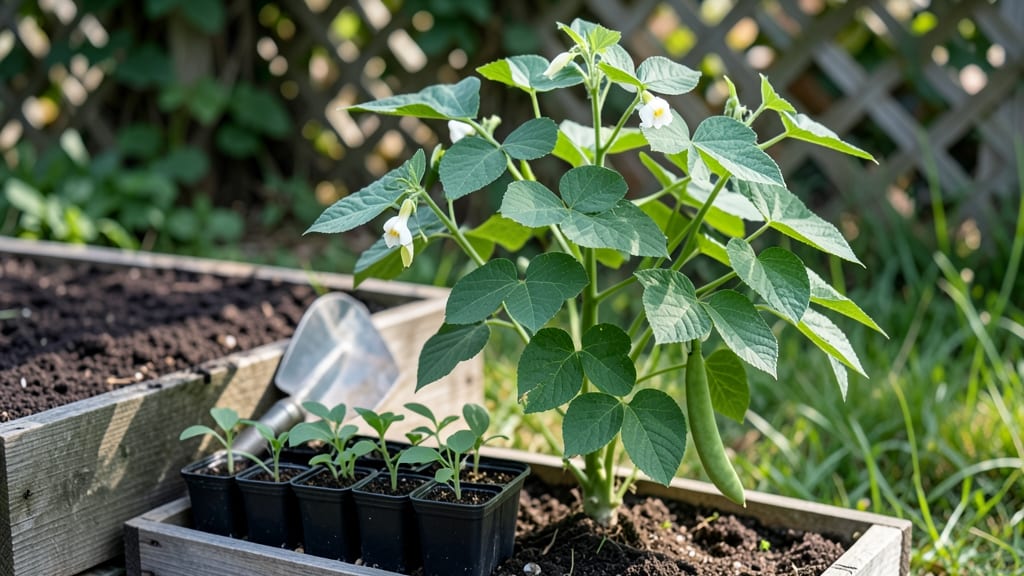
Planting beans in Missouri after your last frost date — typically around April 15 — sets you up for the most abundant harvest before summer heat takes over.
Missouri gardeners know timing is everything — plant too early, and frost will wipe out tender seedlings; too late, and the heat arrives before pods even form.
The 5b-6b zones give you a 6-week window to get seeds in the ground, but getting it right means avoiding the two biggest mistakes: cold soil and missed maturity.
Whether you’re growing bush beans for quick harvests or pole varieties for continuous yields, the key is soil temperature. Wait until the ground hits 60°F — that’s usually mid-April in southern Missouri and late April up north. Clay-heavy soils? Add compost to warm them faster.
Below, I break down the exact planting dates by zone, the best varieties for Missouri’s climate, and how to adjust for those tricky late frosts. You’ll learn how to stretch your harvest from June through September — and why some gardeners swear by planting a second round in early July.
Missouri bean planting zones and frost-free dates by region
Missouri’s diverse climate—from the cooler northern hills to the humid southern plains—means your bean planting schedule should match your USDA zone and last frost date.
According to Missouri State University Extension, most of the state falls within zones 5b to 7a, with northern Missouri typically in 5b-6a and southern Missouri in 6b-7a. These zones dictate when to plant for maximum yields, whether you’re growing bush beans or pole beans.
Bush beans, like 'Blue Lake', thrive when planted 2-3 weeks after your average last frost date, while pole beans, such as 'Kentucky Wonder', need a longer growing season.
In Missouri, this often means starting seeds indoors in late March or sowing directly in mid-April to early May, depending on your region. The key is ensuring soil temperatures stay above 60°F for consistent germination.
Here’s how to align your planting with Missouri’s regional frost-free windows and USDA zones to avoid frost damage or stunted growth. Use this guide to pick your ideal planting dates for both spring and fall harvests.
| Region | USDA Zone | Avg. Last Frost | Ideal Planting Window | Best Varieties |
|---|---|---|---|---|
| Northern Missouri (e.g., St. Louis, Columbia) | 5b-6a | April 15-May 1 | May 10-June 1 (bush); May 1-June 15 (pole) | Blue Lake, Tendercrop |
| Central Missouri (e.g., Jefferson City, Springfield) | 6a-6b | April 1-May 1 | April 20-June 1 (bush); April 15-June 10 (pole) | Kentucky Wonder, Contender |
| Southern Missouri (e.g., Cape Girardeau, Poplar Bluff) | 6b-7a | March 20-April 15 | April 1-May 31 (bush); March 30-June 1 (pole) | Rattlesnake, Romano |
| Missouri Ozarks (e.g., Branson, West Plains) | 6a-6b | April 5-May 1 | May 1-June 1 (bush); April 25-June 10 (pole) | Blue Lake, Kentucky Blue |
If you’re in northern Missouri (zones 5b-6a), wait until mid-May to plant bush beans, as earlier sowings risk late frosts. In contrast, southern Missouri (zones 6b-7a) can start as early as late March for pole beans, thanks to warmer soils and longer growing seasons.
Always check a 7-day forecast before planting to avoid unexpected cold snaps.
For pole beans, which take 60-90 days to mature, aim to plant by early June in northern zones to ensure harvests before first frost in mid-October. In southern zones, you can extend planting into early July for a fall harvest.
Bush beans, with their 50-60 day maturity, are more forgiving and can be planted 2-3 weeks later than pole beans.
Missouri’s humidity and clay-heavy soils in some areas can slow germination, so always soak seeds overnight before planting. Add a 1-inch layer of compost to improve drainage and mulch heavily to retain moisture during the dog days of summer.
This is especially critical in zone 7a, where heat stress can reduce yields if plants aren’t properly hydrated.
Pro tip: Use black plastic mulch in cooler zones to warm soil faster and extend the growing season by 2-3 weeks. This trick works wonders in zone 5b, where soil can linger below 60°F well into May.
Pair it with a row cover for early plantings to shield tender seedlings from unpredictable spring frosts.
Missouri’s first frost typically arrives between October 15 and November 1, depending on elevation. For a second crop, plant heat-tolerant varieties like 'Romano' in late
How to adjust planting time for Missouri’s unpredictable weather patterns
Missouri’s unpredictable spring frosts and variable summer heat can turn a great bean harvest into a gamble. I’ve learned the hard way that even a single late frost can devastate tender bean seedlings, while planting too late means shorter harvest windows and smaller yields.
The key? Flexibility in your planting strategy.
Start by checking your local frost-free dates—they can vary by 1-2 weeks across Missouri’s zones. For example, northern Missouri (Zone 5b) typically sees its last frost around April 20, while southern Missouri (Zone 7a) might be frost-free by March 25.
Use these dates as a starting point, not a rule.
⚠️ callout warning ⚠️
⚠️ Late Frost Risk: Don’t Plant Too Early!
Missouri’s secondary frost in May can kill young bean plants. Wait until soil temps reach 60°F (use a soil thermometer) and air temps stay above 50°F at night for at least 5 days. For high-risk areas, add a 7-day buffer to your average last frost date.
Pro Tip: Use black plastic mulch to warm soil faster and protect seedlings from cold snaps.
For extra protection, I recommend staggered planting. Sow a small batch every 2 weeks from late April through early June. This ensures a continuous harvest and reduces the risk of losing your entire crop to unexpected frost or heat stress.
Pole beans, which mature slower, benefit most from this method.
Companion planting is another trick I swear by. Pair your beans with corn and squash to create a natural windbreak and improve soil health. The three-sisters method works beautifully in Missouri’s climate, extending your growing season by 2-3 weeks in cooler zones.
Plus, the corn provides shade for beans during peak summer heat.
If you’re in a high-humidity area (like southern Missouri), choose disease-resistant varieties like ‘Blue Lake’ or ‘Contender’. These handle moisture better and give you a longer harvest window before fungal issues set in. Always plant in well-draining soil and avoid overhead watering to prevent leaf spot.
Finally, keep a 7-day buffer calculator handy. If your average last frost is April 15, don’t plant until April 22 in Zone 5b. For Zone 7a, you might start as early as March 30, but still wait until April 6 for safety.
Adjust based on your microclimate—valleys and low-lying areas frost later than hills.