
Plants
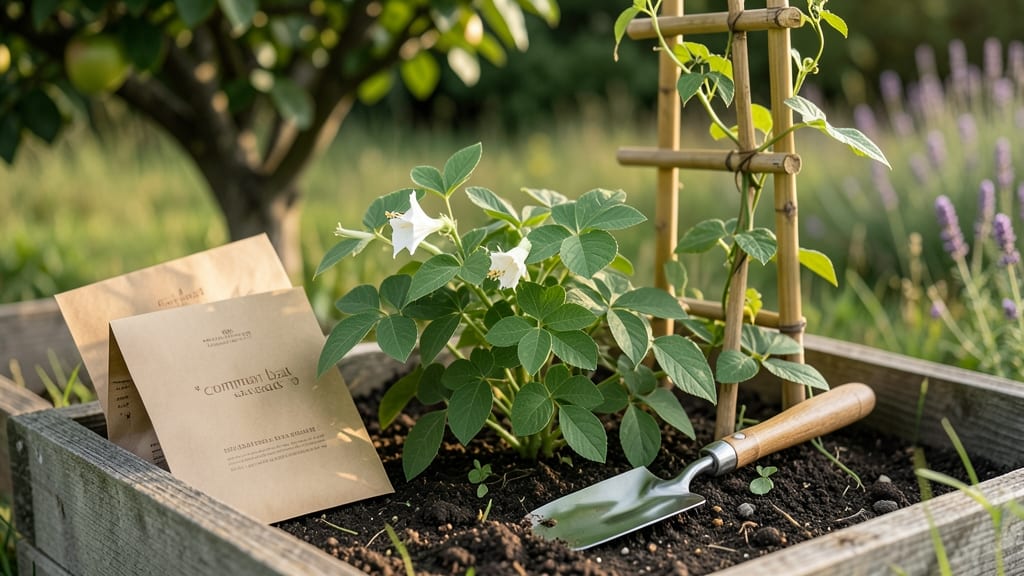
Planting beans in Southern California at the right time means the difference between a bountiful harvest and a sad, shriveled mess.
Here’s the catch: Southern California’s microclimates—from coastal fog to inland heat—can make or break your bean harvest. Plant too early, and you’ll face stunted growth or pests. Too late, and the heat will bolt your plants before they even set pods.
But get the timing right, and you’ll enjoy fresh, homegrown beans all season long.
In most of Southern California, the ideal window for planting beans is February to March, when soil temperatures hit at least 60°F.
Coastal areas like Santa Barbara can start a little earlier, while inland spots like the San Fernando Valley may need to wait until late February or early March. For a fall crop, aim for August to September, avoiding the brutal summer heat that can stress young plants.
Below, I break down the exact timing for your region—whether you’re in the coastal chill or the inland heat—plus the best varieties for each microclimate and how to avoid common mistakes that ruin harvests.
Optimal planting windows for beans by Southern California microclimate
Southern California’s diverse microclimates create unique challenges for growing beans. Coastal areas like Santa Barbara enjoy mild winters, while inland San Bernardino faces scorching summers. Desert regions like Palm Springs have extreme heat, and valleys like San Fernando experience temperature swings.
Understanding these differences is key to maximizing your bean harvest.
Beans thrive in warm soil (at least 60°F) but struggle in peak summer heat (above 90°F). The goal is to plant when temperatures are consistently mild, typically in early spring or late summer.
Coastal areas can start earlier, while inland regions must wait until soil warms sufficiently to avoid bolting (premature flowering).
Here’s a microclimate-specific planting guide to help you time your bean harvest perfectly:
| Microclimate | Best Planting Window | Soil Temp Threshold | Heat Tolerance | Best Varieties |
|---|---|---|---|---|
| Coastal (Santa Barbara, San Diego) | February–March August–September |
60–65°F | Moderate (avoid 85°F+) | Blue Lake, Romano |
| Inland (Los Angeles Basin, San Fernando Valley) | March–April September–October |
65–70°F | Low (avoid 95°F+) | Contender, Kentucky Wonder |
| Desert (Palm Springs, Coachella Valley) | April–May September |
70–75°F | High (tolerates 100°F) | Black Valentine, Scarlet Runner |
| Valley (San Bernardino, Riverside) | March–April August–September |
65–70°F | Moderate (avoid 90°F+) | Provider, Tendergreen |
For pole beans, which climb trellises, plant in early spring (February–March) to take advantage of cooler temperatures.
These varieties benefit from vertical support to keep foliage off the hot ground. Bush beans, which grow in compact mounds, are more heat-tolerant and can handle late summer plantings (August–September) in cooler microclimates.
If you’re planting in late fall (October–November), choose fast-maturing varieties like Blue Lake or Contender to harvest before cooler temperatures slow growth. Avoid planting in December or January, as cooler soil temperatures can delay germination or cause poor root development.
Monitor soil temperature with a soil thermometer—beans won’t germinate well below 60°F. In hot inland areas, provide afternoon shade during peak summer to prevent bolting.
Mulch with straw or wood chips to retain moisture and regulate soil temperature, especially in desert regions where heat stress is a risk.
Succession planting every 2–3 weeks ensures a continuous harvest. For example, start with pole beans in February, follow with bush beans in March, and plant another round of pole beans in August. This strategy maximizes your yield and extends the harvest season from May through November.
Remember, coastal fog can delay soil warming, while inland heat may require earlier plantings. Adjust your schedule based on your local frost-free dates and historical weather patterns. With the right timing, you’ll enjoy sweet
How to avoid common bean planting mistakes in Southern California’s climate
Southern California’s climate can be tricky for bean growers, especially with coastal fog in areas like Santa Barbara and scorching inland heat in the Coachella Valley. Beans are sensitive to temperature extremes, and planting at the wrong time often leads to bolting (premature flowering) or stunted growth.
The key is understanding your local microclimate and adjusting your approach accordingly.
One of the biggest mistakes I see is planting beans too early in cooler coastal areas or too late in hot inland zones. For example, in San Diego, beans can be planted as early as late January, while in Palm Springs, waiting until mid-March prevents heat stress.
Even a few degrees difference in soil temperature can mean the difference between thriving plants and failed germination.
Never plant beans when daytime temperatures exceed 90°F—this causes bolting and poor pod development. Inland areas like Riverside should avoid planting between June and August. Coastal regions can extend the window slightly, but soil temps above 85°F still stress young plants.
To prevent bolting, always check your soil temperature before planting. Use a soil thermometer to ensure it’s at least 60°F for bush beans and 65°F for pole beans.
In hot inland areas, consider using shade cloth (30-50%) during the hottest afternoon hours. This simple trick can extend your growing season by 2-3 weeks and improve pod quality.
Another common mistake is overcrowding seedlings, which leads to poor air circulation and fungal diseases like rust or powdery mildew. Space bush beans 4-6 inches apart and pole beans 6-8 inches apart in rows 18-24 inches apart.
If you’re growing in containers, use 5-gallon pots for bush beans and 10-gallon pots for pole beans to prevent root competition.
Companion planting is a game-changer for pest control in Southern California. Pair beans with marigolds to deter Mexican bean beetles or nasturtiums to repel aphids. Avoid planting near onions or garlic, as their strong scent can inhibit bean growth.
In coastal areas with higher humidity, interplanting with basil or dill improves air circulation and reduces fungal risks.
Finally, watering habits make or break your bean harvest. Water deeply in the morning to reduce evaporation and fungal risks, and avoid wetting the leaves. In desert areas, mulch with straw or wood chips to retain moisture and keep roots cool.
With these adjustments, you’ll avoid the most common mistakes and enjoy a prolonged harvest season from spring to fall.