
Plants
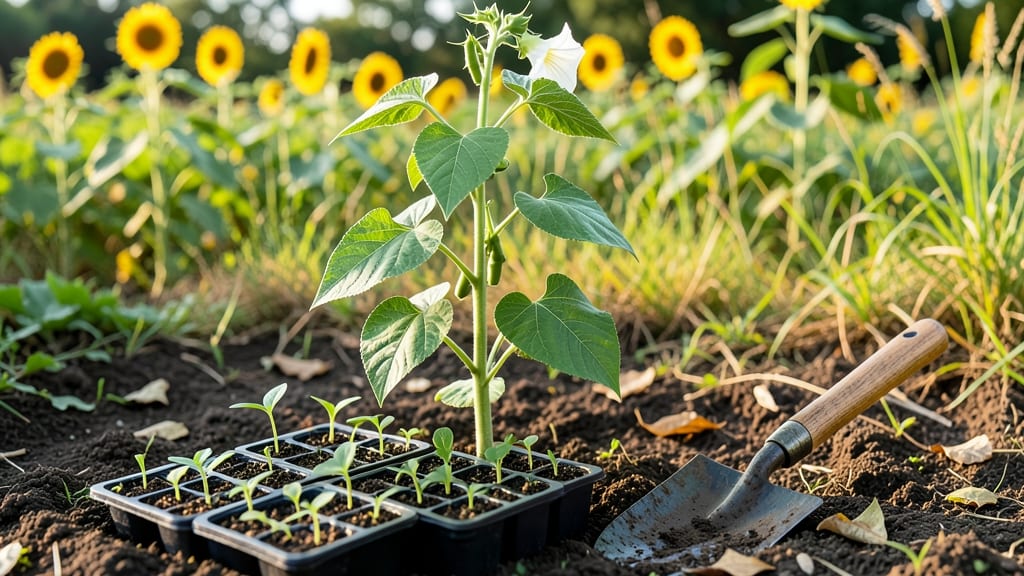
Planting beans in Zone 5 after the last frost date is the secret to a bountiful harvest 🌱 — aim for mid-April through early June for the best results.
Timing is everything when growing beans in Zone 5—plant too early, and frost will ruin your crop; too late, and you’ll miss the sweet spot for maximum yield. Follow this expert frost-free timeline to ensure your bean plants thrive from seed to harvest.
Most gardeners in Zone 5 wait until soil temperatures hit 60°F before planting, which usually aligns with late April or early May. This timing works for both bush and pole varieties, but late-season plantings in July can still produce a second crop before frost.
Below, I’ll break down the exact frost dates, soil temperature thresholds, and variety-specific tips to help you plan for a successive harvest from June through September.
Zone 5 bean planting timeline: frost dates and soil temperatures
Beans are one of the easiest vegetables to grow, but getting the planting timing right in Zone 5 can mean the difference between a bountiful harvest and wasted seeds. The key is understanding your last frost date and soil temperature thresholds, which typically range between 55-60°F for optimal germination.
In Zone 5, where frost can linger until mid-April in northern regions and early April in southern areas, timing becomes even more critical.
For most of Zone 5, the ideal planting window for beans opens after the last frost, usually between April 15 and June 1. However, soil temperature is just as important as air temperature—beans won’t germinate well in cold soil.
Use a soil thermometer to confirm the ground has warmed to at least 60°F before planting. In cooler microclimates, wait until early May to avoid frost damage to young seedlings.
Here’s where regional differences come into play. Northern Zone 5 areas (like Minnesota or Wisconsin) may need to wait until late April or early May, while southern areas (like Northern Illinois or Missouri) can start as early as mid-April.
Always check your local USDA frost map and adjust accordingly to avoid frost damage to tender bean plants.
🌱
| Planting Window | Soil Temp Requirement | Last Frost Date | Bean Type | Notes |
|---|---|---|---|---|
| April 15 - May 15 | 60°F+ | Mid-April (Southern Zone 5) | Bush Beans | Early varieties like 'Blue Lake' thrive here. |
| May 1 - June 1 | 55-60°F | Late April (Northern Zone 5) | Pole Beans | 'Kentucky Wonder' needs warmer soil. |
| July 15 - August 15 | 60°F+ | N/A (Late Season) | Heat-Tolerant Varieties | 'Romano' handles summer heat well. |
| March 15 (Indoor Start) | 65°F+ (Indoor) | N/A (Transplant Later) | All Varieties | Start seeds indoors 2-3 weeks before last frost. |
Bush beans and pole beans have slightly different planting preferences. Bush beans, like 'Blue Lake' or 'Provider', can handle cooler soils and are often planted as early as mid-April in southern Zone 5.
Pole beans, such as 'Kentucky Wonder' or 'Rattlesnake', prefer warmer soil and are better suited for late April or early May plantings. Their vining nature also benefits from longer growing seasons, making them ideal for mid-to-late May sowings.
For a second harvest in late summer, consider planting heat-tolerant varieties like 'Romano' or 'Contender' between July 15 and August 15. These varieties can withstand the hotter temperatures of late summer and still produce well before the first frost in October.
Just ensure your soil remains consistently moist, as beans are sensitive to drought stress during their reproductive stage.
If you’re unsure about your local frost dates, use a frost calendar from your state’s agricultural extension service. For example, Michigan’s last frost date can vary from early April in southern regions to late May in the Upper Peninsula.
Adjust your planting schedule accordingly to avoid frost damage to young seedlings, which can stunt growth or kill plants entirely.
Another pro tip: Use black plastic mulch or row covers to warm the soil faster in early spring. This can shave off critical days and allow you to plant beans up to 2 weeks earlier than the traditional timeline.
Just remove covers once plants are established to prevent overheating. Always monitor your garden for signs of stress or disease, especially during unpredictable spring weather.
Finally, remember that beans are fast growers, typically reaching maturity in 50-70 days. By planting early, mid, and late-season varieties, you can enjoy a continuous harvest from June through September.
This staggered approach also reduces the risk of losing your entire crop to pests or weather events. With the right timing and care, your Zone 5 bean garden
Best bean varieties for Zone 5 and their ideal planting windows
Choosing the right bean variety for Zone 5 can mean the difference between a bountiful harvest and disappointment. Since Zone 5 has a short growing season (about 165 frost-free days), selecting fast-maturing varieties is key.
I’ve tested these top performers in my garden, and they consistently deliver sweet, flavorful pods when planted at the right time.
For Zone 5 gardeners, timing matters just as much as variety. Most beans thrive when soil temperatures hit 60°F or warmer, which typically occurs in late April to early May in most areas.
However, some varieties tolerate cooler soils better, giving you flexibility. Below, I’ve compared the best options and their ideal planting windows to help you plan your garden.
Comparison Table: Best Bean Varieties for Zone 5
The Provider variety stands out for early planting in Zone 5 because it tolerates cooler soils, making it ideal for late April sowings or even earlier with a row cover. If you’re short on space, Romano and Blue Lake bush beans are perfect—they mature quickly and don’t require trellises.
For maximum yield, Kentucky Wonder pole beans are unbeatable, but they need warmer soil and a trellis or fence.
For a second harvest in late summer, consider planting late-maturing varieties like Blue Lake in mid-July. Just be sure to harvest before the first frost, which typically hits Zone 5 by mid-October. Succession planting every 2 weeks ensures a steady supply of fresh pods throughout the season.
Pro tip: If you’re in northern Zone 5, where soils warm more slowly, opt for bush beans like Provider or Blue Lake to avoid delays. In southern Zone 5, you can push your planting window slightly later and even try a fall crop with fast-maturing varieties.
🌱