
Plants
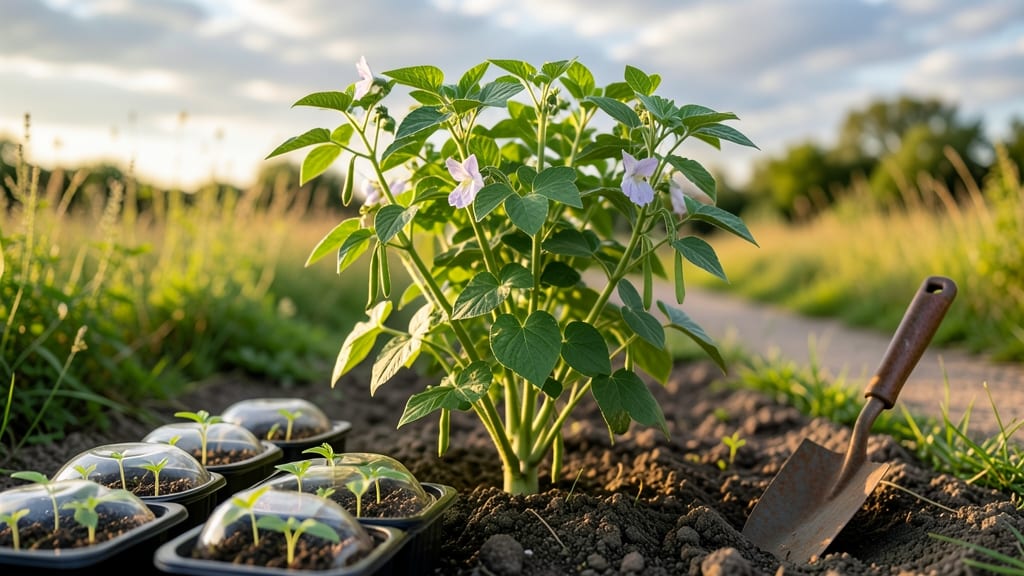
To plant bush beans in Florida, aim for soil temperatures above 60°F—a window that opens in late February for spring and again in August for fall harvests.
Bush beans 🌱 thrive in Florida’s warm climate—but planting them at the wrong time can mean stunted growth or failed harvests. Mastering the soil temperature triggers ensures your beans sprout reliably and produce abundantly, whether you're a seasoned gardener or just starting your first plot.
North Florida’s cooler pockets (like Zone 8a) need to wait until mid-March, while South Florida’s heat-tolerant varieties can go in as early as February. The key is avoiding peak summer heat, which stresses young plants, and timing your fall planting to beat the first frost.
Below, I’ll break down the exact month-by-month windows, how to test soil warmth without a thermometer, and the companion plants that extend your harvest by weeks—so you can enjoy fresh-picked beans from April through November.
Optimal Florida planting windows for bush beans based on soil temperature
Florida’s three distinct planting seasons for bush beans hinge on soil temperature, not just calendar months. Unlike northern states, Florida’s USDA Zones 8a-11 allow year-round growth—but timing matters to avoid heat stress or poor germination.
The golden rule? Wait until soil reaches a steady 60°F or warmer, measured 2-3 inches deep.
I’ve planted bush beans in North Florida’s cooler pockets (like Gainesville) and South Florida’s tropical heat (Miami), and the difference is night-and-day. In cooler zones, a late frost can still linger into mid-March, while South Florida gardeners can start as early as January—but with heat-tolerant varieties.
Let’s break down the three ideal windows and how to nail them.
🌱
| Planting Window | Soil Temp Threshold | Best Varieties | Regional Notes |
|---|---|---|---|
| Spring (Feb–March) | 60°F+ (stable) | ‘Contender’, ‘Blue Lake’ | North FL: Wait until after last frost (mid-March). Central/South FL: Start in January-February. |
| Summer (Aug–Sept) | 70°F+ (avoid peak 90°F+) | ‘Black Valentine’, ‘Rattlesnake’ | Use shade cloth in South FL to prevent blossom drop. Plant in late afternoon to reduce heat shock. |
| Fall (Sept–Oct) | 70°F+ (cools to 60°F by harvest) | ‘Kentucky Wonder’, ‘Tendercrop’ | Best for North/Central FL. South FL: Plant September for harvest before hurricane season rains. |
Spring planting is my favorite window because it aligns with Florida’s dry season, reducing fungal risks. Start seeds indoors 4-6 weeks before your target outdoor date if you’re in North Florida, where nights can still dip below 55°F.
For South Florida, direct-sow in January—just choose heat-tolerant varieties like ‘Black Valentine’ to avoid wilting.
Summer planting requires strategic timing. The key is to beat the peak July-August heat, which can cause beans to bolt prematurely. Aim for August sowings in North Florida and September in South Florida.
Use row covers or plant near tall crops (like corn) to create shade. Pro tip: Water deeply at dusk to keep roots cool.
Fall is a hidden gem for North and Central Florida gardeners. By planting in September-October, you’ll harvest before first frost (usually December 1 in North FL). South Florida can extend this window into November, but watch for hurricane-related delays.
Varieties like ‘Kentucky Wonder’ thrive in cooler fall temps and produce sweeter pods.
How do you know your soil is ready? Stick your finger 2-3 inches deep—if it feels warm to the touch (like a cozy bath), it’s time. No finger? Use a soil thermometer ($10 at garden centers) for precision.
I’ve seen gardeners skip this step and end up with slow, uneven sprouts or leggy seedlings—don’t let that be you!
For heat-sensitive varieties (like ‘Blue Lake’), stick to spring or fall. But if you’re growing heat-tolerant types (e.g., ‘Rattlesnake’), summer can work—just mulch heavily with straw to retain moisture. I’ve had success with black plastic mulch in South Florida, which warms the soil faster and suppresses weeds.
Remember: Florida’s microclimates vary wildly. A 5-mile difference can mean 10°F temperature swings. Check your local Cooperative Extension Service for frost dates, or ask neighbors with established gardens—they’ve got firsthand soil wisdom.
🌡️
How to time your planting for Florida’s heat zones and rainy seasons
Florida’s climate offers two prime windows for planting bush beans, but timing is everything to avoid blossom drop or pest outbreaks. The key is aligning with your region’s microclimate patterns.
In North Florida, where cooler temperatures linger, aim for late February to early March and mid-August to early September. Meanwhile, South Florida’s longer growing season lets you plant as early as January and stretch into October—but watch for summer’s relentless heat.
Late spring rains can drown young seedlings, while summer droughts stress mature plants. The trick is to plant when soil temperatures hit 60°F+ and rainfall patterns are predictable.
For example, Central Florida’s June rains often signal it’s time to prep for a fall harvest, while North Florida’s April showers may delay spring planting by a week or two.
- 📍 North Florida: Plant February 20–March 15 (spring) and August 15–September 10 (fall). Avoid April–May due to heavy rains and fungal risks.
- 📍 Central Florida: Plant January 15–March 1 (spring) and July 20–August 30 (fall). Use shade cloth for summer plantings to prevent heat stress.
- 📍 South Florida: Plant December 1–January 31 (early spring) and September 1–October 15 (fall). Skip June–August due to extreme heat and pest pressure.
- 💡 Pro Tip: For extended harvests, stagger plantings every 2 weeks in fall or 10 days in spring.
Adjust your schedule if unseasonal rains or droughts throw off your plan. For instance, if May brings unexpected downpours, delay spring plantings until June 1 to let the soil dry and warm.
Conversely, if summer droughts persist, opt for drought-tolerant varieties like ‘Blue Lake’ and mulch heavily to retain moisture. Companion planting also helps—pair bush beans with corn or cucumbers to improve soil structure and deter pests like bean beetles.
Pests like Mexican bean beetles and aphids thrive in Florida’s heat, so time your plantings to avoid their peak activity. Spring plantings should finish before late May, while fall crops should be in the ground by mid-August to escape summer’s pest surge.
If you’re in South Florida, consider intercropping with marigolds to naturally repel beetles and extend your harvest window by 3–4 weeks.
Don’t forget to monitor humidity levels, which spike during Florida’s afternoon thunderstorms. High humidity encourages fungal diseases like rust or powdery mildew, so avoid overhead watering and ensure your garden has good airflow.
If your area experiences high humidity consistently, opt for resistant varieties like ‘Contender’ and prune nearby plants to reduce shade and moisture buildup.
By aligning your planting with Florida’s heat zones and rainy seasons, you’ll maximize your bush bean harvest while minimizing stress on your plants. Start with small test batches in February or September, then expand based on your local conditions.
With the right timing, you’ll enjoy pods ready for harvest in as little as 50–60 days—just in time for Florida’s perfect summer salads!