
Plants
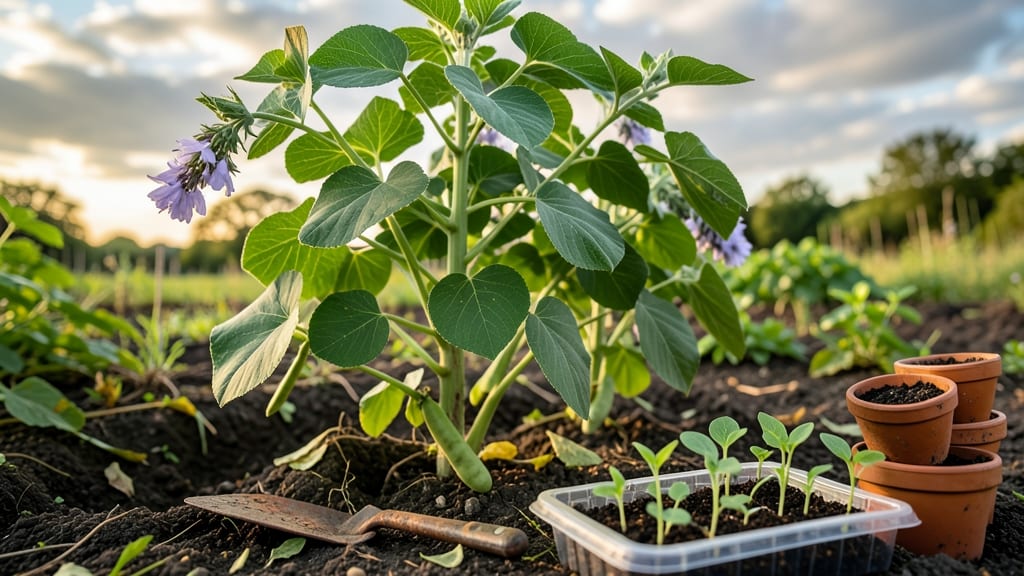
Planting fava beans in California between October and March ensures tender, sweet pods 🌱—but timing depends on your microclimate, from coastal fog to Central Valley heat.
California’s diverse microclimates—from coastal fog to inland heat—can make or break your fava bean harvest. Planting at the wrong time means stunted growth or bitter-tasting pods, but timing it right unlocks sweet, tender beans perfect for fresh eating or drying.
Coastal gardeners in Zone 10 can start as early as September, while inland valleys (Zone 9) should wait until November to avoid summer heat. The key is soil temperatures below 75°F and consistent moisture.
Below, I break down the best planting windows by region, soil prep tips, and how to adjust for your backyard’s unique conditions—so you get a perfect harvest every time.
California’s best planting Zones for fava beans by region
Fava beans thrive in California’s cooler months, but the exact planting window varies dramatically by region. Coastal areas like San Francisco and Santa Barbara (Zones 7-9) enjoy milder winters, while the Central Valley (Zones 9-10) and desert regions (Zones 10-11) face different frost risks.
Understanding these zones ensures your fava beans grow sweet and tender instead of bitter or stunted.
Fava beans need consistent temperatures between 40°F and 70°F to flourish. Coastal areas can plant as early as September-October, while inland valleys should wait until November-December to avoid heat stress.
Desert regions with Zone 10-11 climates can extend planting into early March for spring harvests, but summer heat will quickly shut down growth.
Here’s a region-by-region breakdown of ideal planting windows, frost risks, and temperature thresholds to maximize your harvest:
In coastal Zone 7-9, fava beans can handle early planting because mild winters reduce frost risk. Aim for September-October sowing to avoid summer heat.
The Central Valley’s Zone 9-10 requires later planting (November-December) to escape residual summer heat, but watch for light frost in December-January that can damage young plants.
Desert regions in Zone 10-11 offer the longest growing season. Plant from December through early March to take advantage of cooler winters and avoid the intense summer heat that fava beans cannot tolerate. Desert gardeners can even try succession planting in early spring for a second harvest by June.
For all regions, soil temperature is critical. Use a soil thermometer to confirm temperatures are below 75°F before planting. Coastal areas hit ideal 55°F–65°F ranges by late September, while inland valleys may need to wait until November.
Desert regions can plant as late as early March when soil cools.
One common mistake is planting too early in Zone 9-10 areas, where residual summer heat stresses young seedlings. Always check weekly temperature trends and avoid planting when nighttime temps exceed 65°F.
If you’re unsure, err on the side of planting later—fava beans are resilient and will recover better from cooler starts than heat stress.
Pro tip: Use black plastic mulch in desert regions to warm soil faster in spring, extending your planting window. Conversely, shade cloth can protect coastal plants from unexpected Pacific wind burns during winter.
Timing your fava bean planting by region ensures sweet, tender pods instead of bitter, fibrous ones. With these zone-specific guidelines, you’ll avoid common pitfalls and enjoy a bountiful harvest tailored to California’s unique microclimates. 🌱
How to adjust planting timing for microclimates in your backyard
California’s microclimates can feel like different planets—your neighbor’s backyard might be 10°F cooler or drier than yours. For fava beans, these variations mean the difference between a bountiful harvest and wilted plants.
Urban heat islands, coastal winds, and high-elevation pockets all demand unique adjustments to planting schedules. Let’s break down how to fine-tune your timing for these tricky conditions.
Start by identifying your backyard’s microclimate type. Urban areas often trap heat, creating hotter-than-average pockets where fava beans may bolt prematurely. Coastal regions, meanwhile, benefit from cooler ocean breezes but risk excessive humidity if planted too late.
High-elevation spots might have earlier frosts than nearby valleys. Adjust your planting window by 2-4 weeks earlier or later based on these factors.
🌱 Microclimate Adjustments for Fava Beans
| Microclimate | Adjustment | Action |
|---|---|---|
| Urban Heat Island | Plant 4 weeks earlier | Use shade cloth (30%) in peak sun |
| Coastal Windy | Plant 2 weeks later | Add windbreaks or trellises |
| High Elevation | Plant 3 weeks earlier | Use row covers for frost protection |
Pro Tip: Test soil temps with a soil thermometer—ideal range is 40°F-70°F.
For urban heat islands, I recommend planting fava beans in late September instead of October. The extra time lets them establish roots before summer heat arrives. Pair this with black shade cloth (30%) to reduce soil temps by 10°F-15°F during peak afternoon sun.
Water deeply in the early morning to prevent heat stress, and mulch with straw to retain moisture.
In windy coastal areas, delay planting until mid-October to avoid salt spray damage. Install trellises or windbreaks made from bamboo stakes or mesh fencing. Coastal fog can also create high humidity, which may encourage fungal diseases—space plants 12-18 inches apart for airflow.
If your area gets chilly nights, use floating row covers to protect young seedlings.
High-elevation gardeners should plant fava beans by early September to beat potential early frosts. Use black plastic mulch to warm soil faster in spring, or plant in south-facing beds where sunlight lingers longer.
For extended harvests, try succession planting: sow seeds every 2-3 weeks from September through November. This staggered approach ensures a continuous supply of tender pods from March to June.
Don’t forget to monitor soil moisture closely in microclimates. Urban areas dry out faster, while coastal spots may stay damp longer. Aim for 1-2 inches of water per week, delivered in the morning to minimize evaporation.
Adjust your watering schedule based on leaf color—wilting or yellowing leaves signal it’s time to hydrate.
With these microclimate tweaks, you’ll turn your backyard’s quirks into advantages. Whether you’re battling urban heat, coastal winds, or high-elevation frosts, precise timing and smart adjustments will give your fava beans the perfect growing conditions. Happy planting! 🌱