
Plants
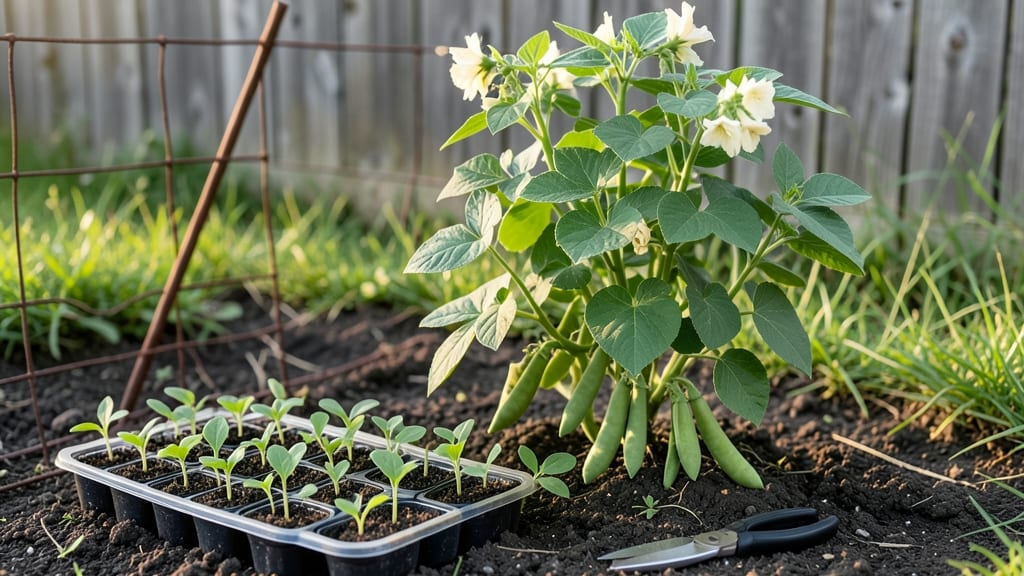
Planting green beans in Kentucky after your last spring frost — typically around April 15 — sets you up for a high-yield harvest before summer heat takes over.
Miss that window, and you risk two big problems: frost-nipped seedlings or beans that bolt in the 90-degree heat of July. I’ve seen both happen, and neither ends well.
Kentucky’s USDA Zone 6a climate means you’ve got a tight three-month window to get seeds in the ground and pods on the vine before the first frost in late October.
Below, I’ll break down the exact dates for your zone, how to stretch the season with succession planting, and which varieties hold up best in Kentucky’s humidity.
Kentucky green bean planting dates by hardiness Zone (5a-7a)
Green beans thrive in Kentucky’s warm summers, but timing your planting is critical to avoid frost damage or heat stress. Kentucky spans USDA zones 5a-7a, with last frost dates varying by 10-14 days across regions.
I’ll break down the exact frost-free windows for each zone, plus soil temperature requirements to ensure strong germination.
For all zones, soil temperature must reach 60°F (15°C) before planting. Use a soil thermometer to check—cold soil delays germination. In Zone 5a (northeastern KY), wait until May 1 to plant, while Zone 7a (western KY) can start as early as April 15.
Bush beans tolerate cooler temps better than pole varieties.
Here’s your zone-specific planting timeline, including ideal windows for both bush and pole varieties:
| Zone | Last Frost Date | Soil Temp Requirement | Bush Bean Window | Pole Bean Window |
|---|---|---|---|---|
| 5a (Northeast KY) | April 15 | 60°F (15°C) | May 1–May 15 | May 15–June 1 |
| 6a (Central KY) | April 1 | 60°F (15°C) | April 20–May 10 | May 10–May 25 |
| 7a (Western KY) | March 20 | 60°F (15°C) | April 15–April 30 | April 30–May 15 |
In Zone 5a, where late frosts linger, opt for cold-hardy bush varieties like ‘Blue Lake’ or ‘Kentucky Wonder’. These tolerate 50°F (10°C) nights better than pole beans. For Zone 7a, heat-tolerant pole varieties like ‘Contender’ or ‘Rattlesnake’ thrive when planted early to escape July’s 90°F+ (32°C+) heat.
Kentucky’s humidity and summer heat demand quick germination. If soil temps hover around 55°F (13°C), pre-sprout seeds indoors for 3-5 days before transplanting. Use black plastic mulch to warm soil faster in cooler zones.
Pole beans need trellises or stakes—install these 2 weeks before planting to avoid disturbing roots.
Fall planting is possible in Zone 7a for late-season harvests. Sow seeds August 1–15 for a September-October crop, but avoid planting after September 15—beans need 60+ days to mature before first frost. In Zone 5a, stick to spring planting only; fall crops rarely mature before frost.
Watch for false springs—Kentucky’s unpredictable weather can bring frost back in April or May. Use frost cloth for 2-3 weeks after planting if nighttime temps dip below 40°F (4°C).
For pole beans, delay planting until May 10 in Zone 6a to ensure vines establish before summer heat peaks.
Pro tip: Test soil pH before planting—green beans prefer 6.0–7.0. Amend clay-heavy soils (common in Eastern KY) with compost or sand to improve drainage. Overcrowding stresses plants; space bush beans 4–6 inches apart and pole beans 6–8 inches apart in rows 18–24 inches apart.
With these zone-specific dates and soil prep tips, you’ll avoid the two biggest mistakes: frost-killed seedlings or heat-stressed plants. Start with bush beans for beginners—they’re faster to harvest and more forgiving of timing errors.
How to adjust planting for Kentucky’s microclimates and soil conditions
Kentucky’s diverse microclimates and soil variations mean your green bean success depends on local adjustments. Eastern Kentucky’s cooler zones (like USDA 6a) often face late spring frosts, while Western areas (like USDA 7a) can experience earlier heat stress.
Understanding these differences helps you extend your growing season and avoid common pitfalls like poor drainage or overcrowding.
For cooler zones (e.g., Eastern KY), consider pre-sprouting seeds indoors 1-2 weeks before your last frost date (typically April 15). This gives seedlings a head start, compensating for slower soil warming.
In warmer zones (e.g., Western KY), focus on shade cloth during peak summer to protect plants from heat stress and bean blossom drop.
⚠️ callout warning ⚠️
⚠️ Avoid These Kentucky-Specific Mistakes
Poor drainage is a silent killer in Kentucky’s clay-heavy soils. Green beans hate soggy roots—amend soil with compost or sand to improve aeration. Overcrowding (planting seeds too close) reduces airflow, inviting fungal diseases like rust. Space bush beans 4-6 inches apart and pole beans 6-8 inches apart with 3-foot rows.
Soil pH matters too: Green beans thrive in slightly acidic to neutral soil (pH 6.0-7.0). Test your soil—Kentucky’s limestone bedrock often raises pH naturally, but a quick sulfur amendment can lower it if needed.
Kentucky’s soil fertility varies dramatically. Nitrogen-loving green beans benefit from well-composted manure or a balanced fertilizer (10-10-10) at planting. However, over-fertilizing with nitrogen can lead to leafy growth at the expense of pods.
Side-dress with aged compost mid-season instead. Phosphorus and potassium support root and pod development, so a light application every 4-6 weeks keeps plants vigorous.
Extend your harvest by planting fall crops in late summer. Choose cold-hardy varieties like 'Tendergreen' or 'Kentucky Wonder', which tolerate light frosts. Start seeds 8-10 weeks before your first frost (typically September 15) for a late-October harvest.
Use row covers to protect young plants from early autumn chills.
Mulch heavily with straw or grass clippings to retain moisture and regulate soil temperature. Kentucky’s humid summers can dry out soil quickly, but mulch also prevents soil-borne diseases by reducing splashing.
Keep mulch 2-3 inches away from plant stems to avoid rot. For pole beans, add trellis supports early—Kentucky’s strong winds can topple unsupported vines.
Finally, rotate your planting locations yearly to prevent soil depletion and pest buildup. Green beans are heavy feeders, so follow them with light-feeding crops like lettuce or radishes to restore soil balance. With these adjustments, you’ll turn Kentucky’s challenging conditions into a bountiful green bean harvest.