I still remember the first time I planted a seed and watched it sprout—it felt like magic. My grandmother’s garden in rural Ohio taught me that growing things is about patience, curiosity, and a little bit of stubbornness. Now, I’m here to share the joy of gardening with you, whether you’re a seasoned green thumb or just starting with a windowsill herb. This site is all about the small victories: the first tomato, the perfect compost pile, and the quiet satisfaction of a thriving plot.
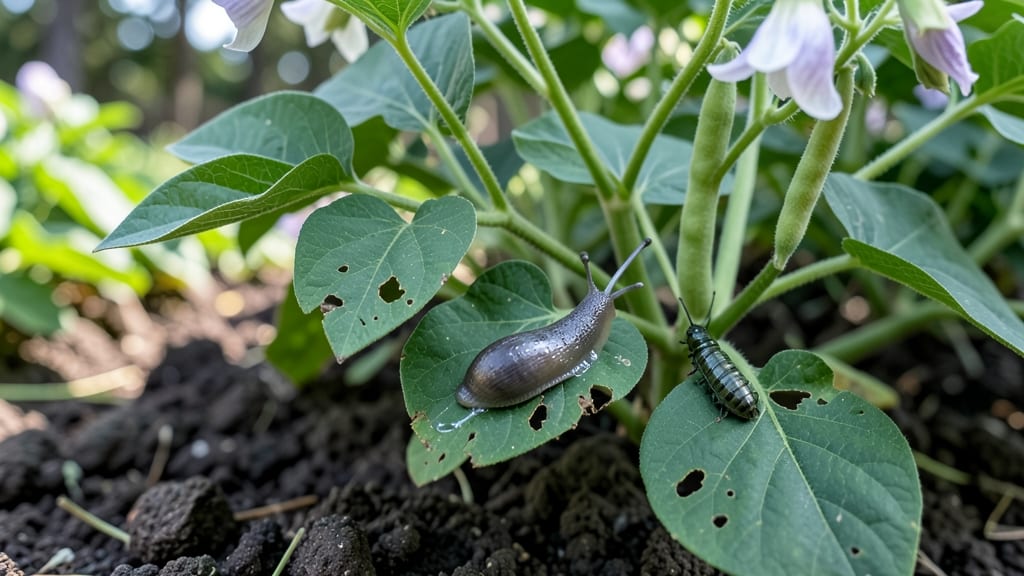
💥 Quick Answer When you notice green bean leaves being eaten at night, the most likely culprits are slugs, cutworms, or rabbits—all active after dark. Look for chewed edges, slime trails, or irregular holes to pinpoint…
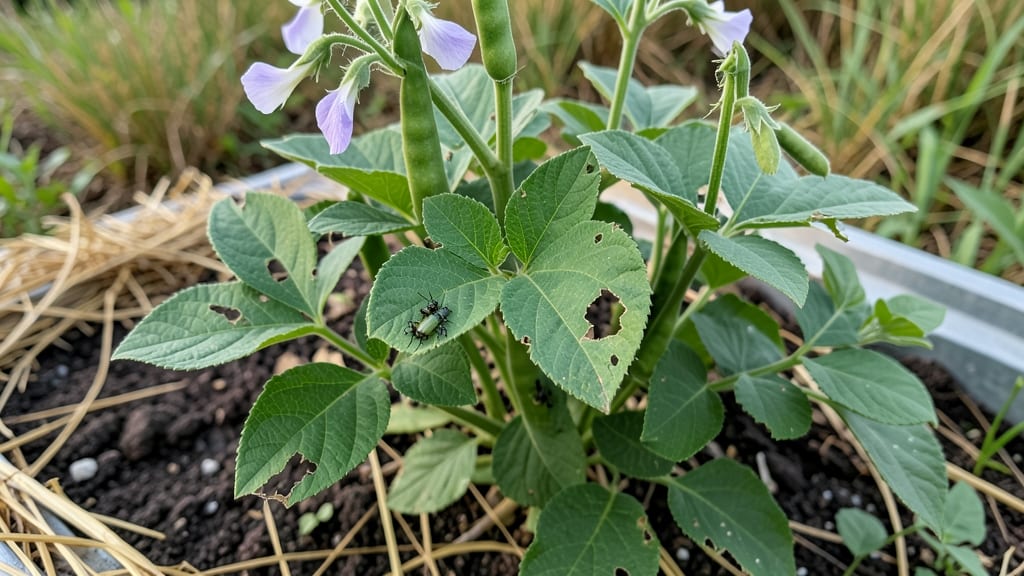
What is eating my green bean leaves? 💥 Quick Answer—chewing insects like beetles or aphids, or bacterial blight and fungal diseases, are likely to blame. Look for jagged holes, sticky residue, or discolored patches to…
What is the difference between beans and legumes—though both belong to the Fabaceae family—can shape your gardening strategy and harvest. 🌱 The confusion stems from how we classify them: beans are the edible seeds we…
Beans are nitrogen-fixing powerhouses, but planting them near the wrong companions can sabotage their growth and yield. Avoid these ten plants that compete for nutrients, attract pests, or release harmful chemicals that…
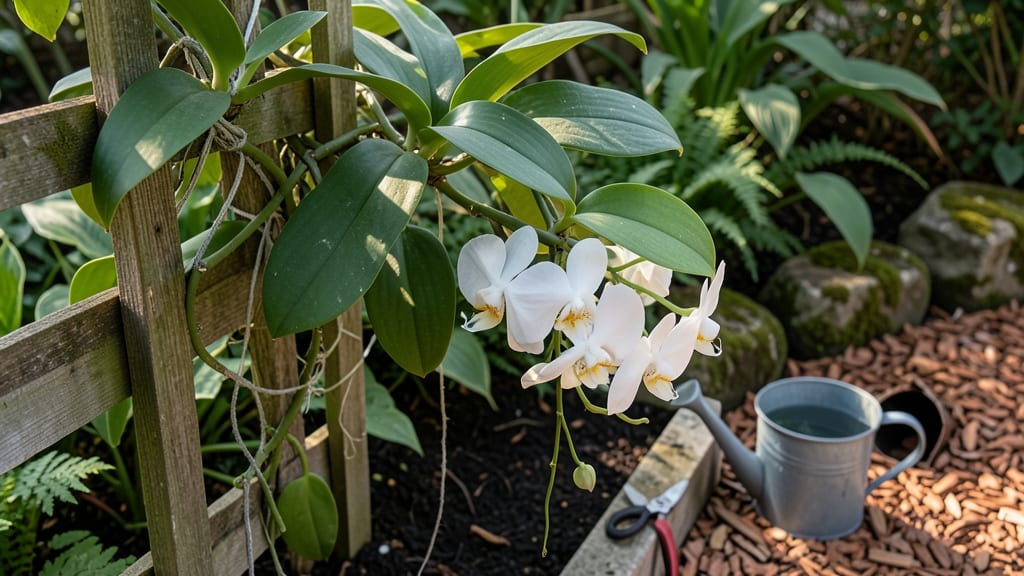
💥 Quick Answer Vanilla beans come from the orchid plant Vanilla planifolia , a tropical vine native to Mexico and Central America, prized for its fragrant pods used in flavoring and perfumes. This evergreen climber…
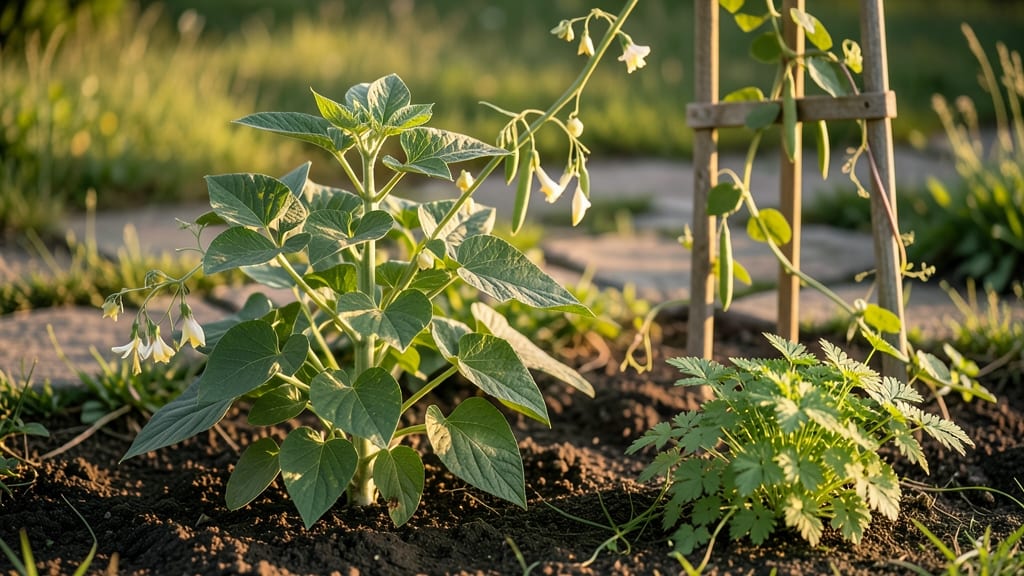
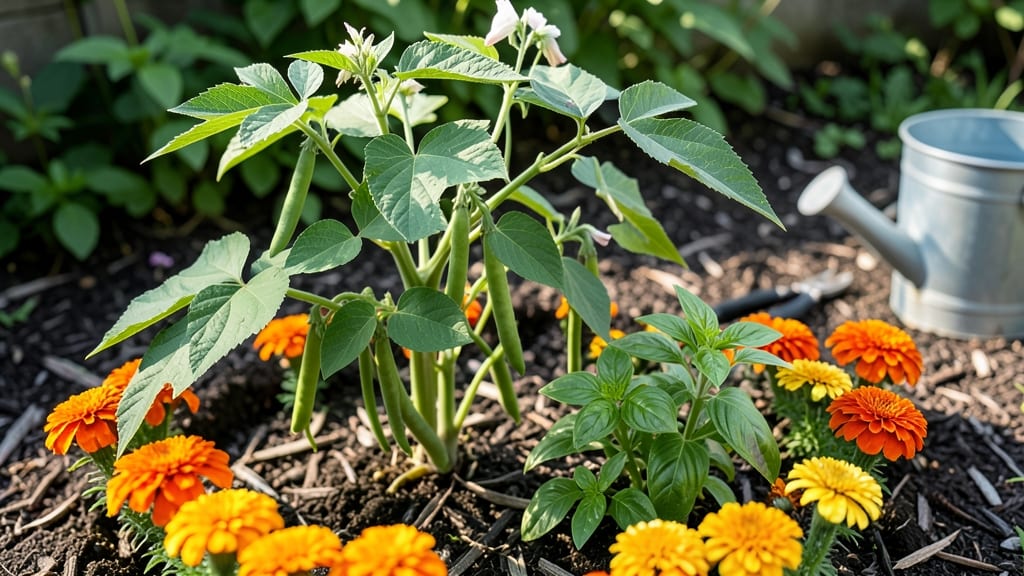
Discover what to plant next to green beans —basil, marigolds, or onions—to boost growth, deter pests like aphids and bean beetles, and keep soil thriving. Companion planting isn't just about aesthetics—it's a strategic…
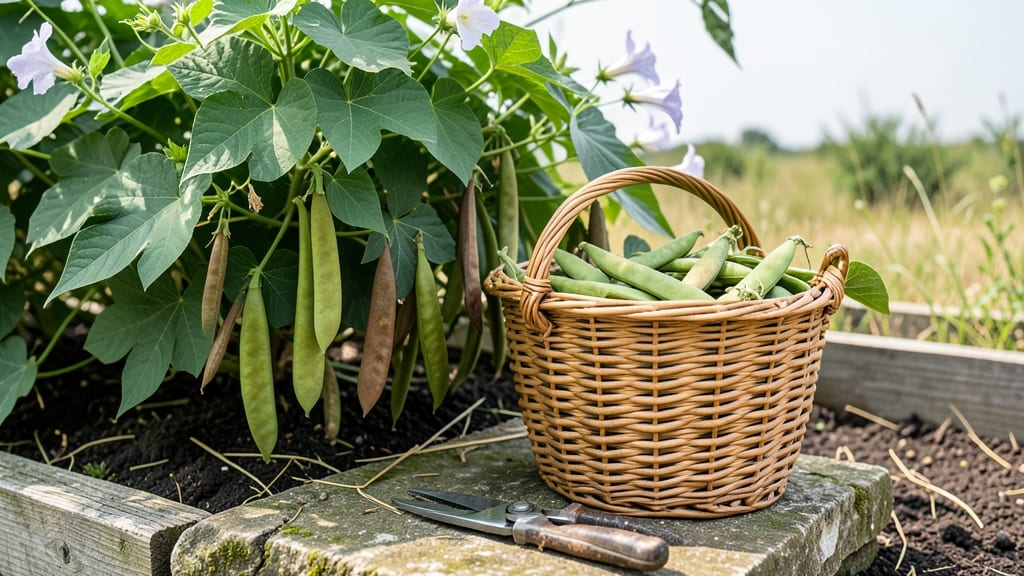
Green beans are ripe when pods reach 4-6 inches and snap crisply with a slight bend—this is the sweet spot for peak flavor and tenderness. Picking at the perfect moment ensures crisp, flavorful pods—but knowing when…
Lima beans are ready to pick when pods reach 4 to 6 inches long and turn a slightly yellowish-green 🌱—this is the sweet spot for buttery, tender flavor before they toughen up. Picture this: you’ve nurtured your plants…
Green bean season arrives between July and September in most of the U.S., but the exact timing depends on whether you're in a warm southern zone or a cooler northern one. If you’ve ever wondered why your local grocery…
To fertilize green beans at the right time means feeding them just as they hit their growth surge—usually 2-3 weeks after planting and again when flowers appear. Struggling to keep your green beans thriving? The secret…